
Lieferung heute & morgen

Qualitätsgarantie

Willkommens-Angebote freischalten: KOSTENLOSE Lieferung | Bis zu 80 % RABATT | Kostenlose 30-Tage-JoyPlus-Testphase
App herunterladen
Mochi, the traditional Japanese rice cakes, are becoming increasingly popular in Germany. Their uniquely soft, chewy texture and variety of fillings make them a fascinating sweet treat. However, those looking to order mochi online for the first time are often faced with an overwhelming selection. Not every product lives up to its promise. This guide will help you avoid common purchasing mistakes and find the perfect mochi for your taste.
The market for Asian sweets is vast, and not all products offer the quality you'd expect. Before you make a decision, you should be aware of two typical issues that can lead to disappointment.
To ensure you get a product that meets your expectations, you should check two key aspects. These will help you better assess the quality and character of the mochi.
The foundation of every mochi is the rice. For the authentic, elastic texture, glutinous rice (also called mochigome) is essential. Products made primarily from regular rice flour or a high proportion of starch often fail to achieve the desired consistency. Look for terms like "glutinous rice powder" or "sweet rice flour" near the top of the ingredient list. The processing method, whether traditionally steamed and pounded or industrially formed, also influences the final texture.
The filling largely defines the flavour experience. Consider what type of mochi you want to try.
If you are specifically looking for mochi with filling, check the product description carefully to ensure the flavour matches your preferences.
To make your decision easier, we have compiled a few products based on different preferences and requirements.
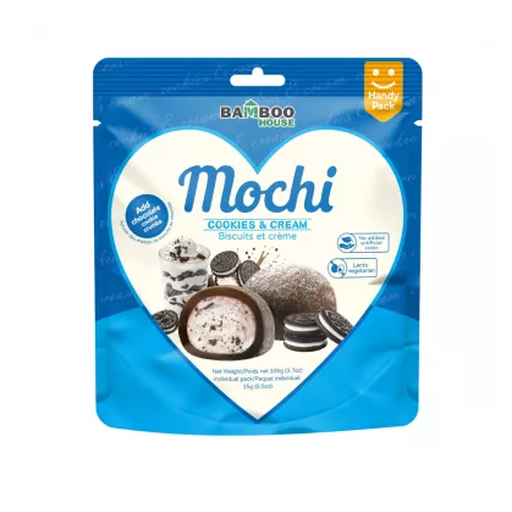
Why This Fits Their Persona: Ideal for anyone trying mochi for the first time. The familiar taste of "Cookies & Cream" offers a comfortable entry into the world of Japanese rice cakes and lowers the barrier to discovering a new texture.
This product clearly positions itself as a modern interpretation. It doesn't pretend to be a traditional variety, which sets clear flavour expectations from the start.
The combination of soft mochi dough and a creamy filling with cookie pieces creates an interesting mouthfeel. The texture is soft and approachable.
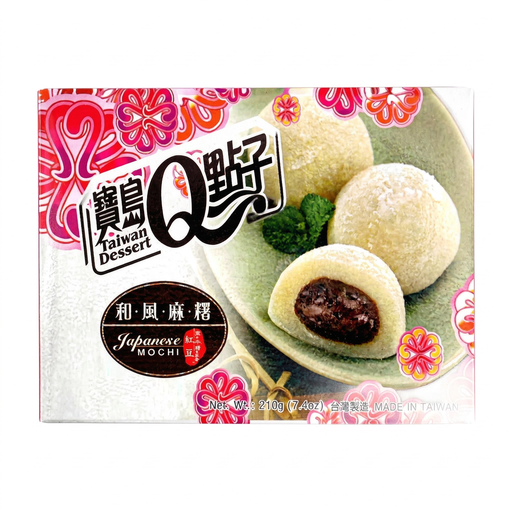
Why This Fits Their Persona: Perfect for those seeking the authentic taste of Japanese sweets. The red bean paste filling is the epitome of classic mochi and offers a traditional culinary experience.
The product name "Japanese-Style Red Bean Mochi" clearly communicates its traditional focus. Buyers know exactly what kind of filling to expect, thus avoiding any flavour surprises.
Offers a classic, mildly sweet red bean paste filling. The texture is soft and chewy, as is typical for a high-quality sticky rice cake.
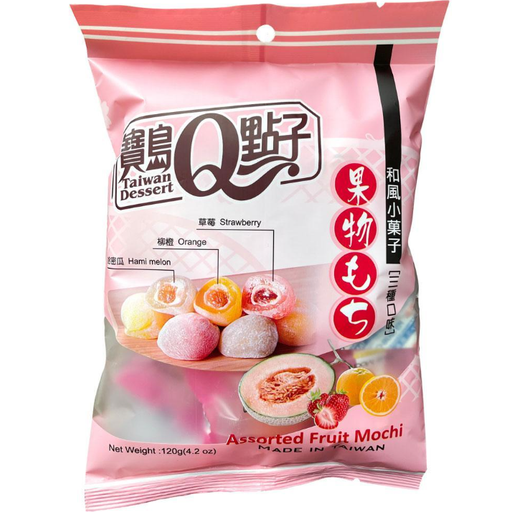
Why This Fits Their Persona: This selection is ideal for anyone who enjoys fruity sweets and wants to try different mochi varieties in one package. Their bite-sized nature makes them an easy snack for any time.
The name "Assorted Fruit" makes it clear that this is a mix. The ingredient list specifies fruit juices as the base for the fillings, which indicates an authentic fruit flavour.
Offers a variety of flavours like strawberry, orange, and melon in one pack. The small portions are convenient for sharing and sampling.
We've compiled a complete, up-to-date list of products that fully meet these strict selection criteria and German regulations.
Mochi has a very chewy consistency. It is important to enjoy it in small bites and chew thoroughly before swallowing. This is especially important for children and the elderly to prevent choking. They can be eaten directly from the package at room temperature.
Packaged mochi typically have a shelf life of several months. You can find the exact best-before date on the packaging. Once opened, they should be stored in an airtight container and consumed within a few days, as they can otherwise dry out and become hard. Storing them in the refrigerator is generally not recommended, as this can negatively affect the texture. Store them in a cool, dry place away from direct sunlight.
Traditional mochi made exclusively from glutinous rice (mochigome) are naturally gluten-free. However, many modern or industrially produced mochi may contain wheat flour, starch, or other additives that include gluten. There is also always a risk of cross-contamination during production. Individuals with celiac disease or gluten intolerance should therefore always carefully check the allergen information and ingredient list on the packaging.