
Lieferung heute & morgen

Qualitätsgarantie

Willkommens-Angebote freischalten: KOSTENLOSE Lieferung | Bis zu 80 % RABATT | Kostenlose 30-Tage-JoyPlus-Testphase
App herunterladen
If you want to buy muesli and breakfast cereals online, you will quickly find a wide selection: classic porridge oats, organic millet flakes, chocolate muesli, fruit muesli with no added sugar, crunchy muesli, instant oats and cereal porridge. Product names often sound similar, but can differ significantly in terms of ingredients, sugar, fibre, allergens and preparation time.
To make sure your purchase is not based solely on packaging or advertising claims, it is worth looking out for three common pitfalls.
A chocolate muesli labelled “30% less sugar” is being compared with another product. The specific nutritional table remains the key point. Sugar can also come from various ingredients, such as table sugar, syrup, chocolate or dried fruit.
With fruit muesli with no added sugar, it is therefore important to distinguish between “no added sugar” and “sugar-free”. Dried fruit still contains naturally occurring sugars. For comparison, use the “of which sugars” value per 100 grams.
A dark colour or the term “cereals” says little about the wholegrain content. Check the ingredients list: if wholegrain oats, wholegrain wheat or another wholegrain cereal appears near the top, its proportion is correspondingly significant. Products with sugar, syrup or chocolate listed among the first ingredients should be assessed differently from pure cereal flakes.
Oats, wheat and barley can be gluten-containing cereals. Chocolate muesli often contains milk ingredients, while crunchy muesli may also contain hazelnuts or other nuts. Organic millet flakes produced in a facility that also processes gluten, soya, milk or nuts may likewise carry warnings about possible traces.
For coeliac disease, allergies or a vegan diet, the current packaging labelling is the deciding factor. Product descriptions can change and do not replace checking the label.
For a simple wholegrain breakfast, products with just a few ingredients are suitable, such as plain porridge oats or millet flakes. If you want more variety, you can add fruit, a yoghurt alternative, milk or nuts yourself. With ready-made chocolate muesli, taste is the main focus; sugar and fat levels should be taken into account when planning portions.
For porridge and quick preparation, instant oats or instant cereal porridge are practical choices. Check whether the product only needs to be mixed with warm water or whether it needs to be cooked.
In the EU nutritional declaration, fibre content is stated per 100 grams. As a guide when comparing products, high-fibre cereals can be distinguished from sugar-focused mixtures by looking at this value. The term “high in fibre” is a legally defined nutrition claim and should be checked against the actual nutritional table.
Protein is also worth comparing per 100 grams. According to the available product information, plain porridge oats, for example, provide 14 grams of protein per 100 grams. However, this is not a promise of a particular effect and does not replace a balanced diet.
Large packs can be practical for families or frequent users, but they need to be stored in a dry place and sealed properly. Sensitive products such as millet flakes should, according to the product information, be tightly sealed after opening, stored in a cool place where specified and used promptly.
For people who work, individual portions, instant products or long-life snacks such as gluten-free cereal bars and protein bars can make everyday life easier. Even so, check the sugar, salt, fat and allergen information. “Practical” does not automatically mean lower or higher in nutrients.
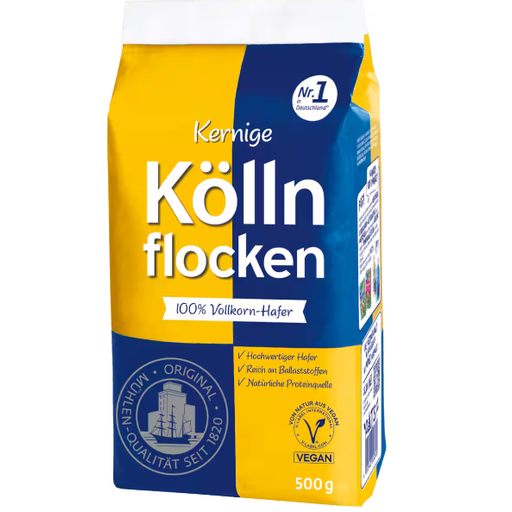
Why this product suits this profile: These plain wholegrain oats can be used for muesli, porridge, baking recipes and savoury dishes. This means beginners do not need to buy several different cereal products.
The ingredients list states 100% wholegrain oats. The product description contains no added sweeteners; the declared sugar content is 1.2 g per 100 g.
11 g of fibre and 14 g of protein per 100 g according to the product information; vegan and lactose-free. However, it contains oats and gluten-containing cereals.
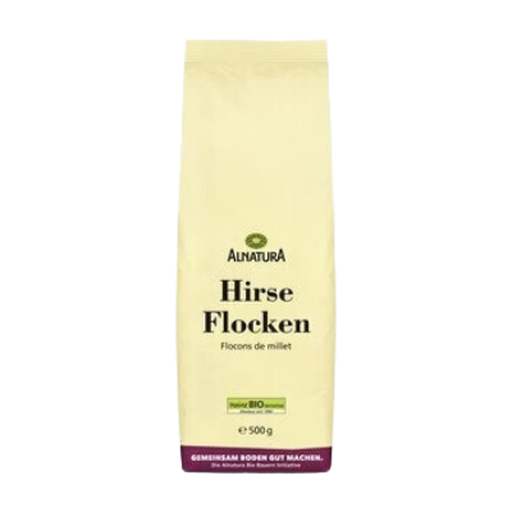
Why this product suits this profile: Suitable for buyers looking for organic millet flakes with versatile uses. They can be added to muesli, sweet dishes, vegetarian patties or a quick millet porridge.
According to the product description, the ingredients list consists of whole organic millet flakes. However, the warning about possible traces of gluten, soya, milk, almonds, peanuts, sesame and lupin should still be taken into account.
Organic quality, 8.9 g of fibre and 11 g of protein per 100 g according to the product information. Special instructions apply after opening regarding airtight, cool storage.

Why this product suits this profile: According to the product description, these finely milled instant oats dissolve quickly in hot or cold liquids. This makes them suitable for the office, a gym bag or a breakfast that requires little preparation.
The preparation method is clearly designed for quick dissolving. However, it is still an oat product; if you follow a gluten-free diet, check the specific labelling.
12 g of fibre and 13 g of protein per 100 g according to the product information; described as containing no added sugar. Contains oats and oat products.
Depending on your routine, cereal porridge, pearl barley or maize products can broaden your options. Pearl barley is better suited to soups, salads and warm side dishes than to classic muesli, and contains gluten. Corn on the cob or ready-to-eat sweetcorn can be served as a snack or side dish, but its nutritional and preparation characteristics mean that it is not directly comparable with breakfast cereals.
For eating on the go, healthy snacks such as protein bars, nuts or cereal bars are worth considering. If you have a nut allergy, check both the ingredients and the warnings about possible traces. A product such as a peanut and almond protein bar is therefore not suitable for people with the relevant allergies, regardless of its protein content.
We have put together a complete, regularly updated list of products that fully meet these strict selection criteria and the safety regulations applicable in the EU.
Instant oats or instant cereal porridge usually only need liquid and a short soaking time. Classic porridge oats can also be prepared quickly, although the time required depends on the consistency you want. The exact instructions on the packaging are the deciding factor.
The best-before date applies to unopened packaging stored correctly. After opening, oats, millet flakes and muesli should be stored in a dry, cool place and kept tightly sealed. Depending on the product, organic millet flakes may come with additional instructions, such as refrigerated storage and prompt consumption.
No. Fruit, raisins, banana chips and other ingredients can contribute naturally occurring sugars. Therefore, compare the “of which sugars” value per 100 grams and take the actual portion size into account.