
Lieferung heute & morgen

Qualitätsgarantie

Willkommens-Angebote freischalten: KOSTENLOSE Lieferung | Bis zu 80 % RABATT | Kostenlose 30-Tage-JoyPlus-Testphase
App herunterladen
Anyone looking to buy muesli and cereals online will quickly find a wide selection of crunchy muesli, chocolate muesli, oat muesli, fruit muesli and breakfast cereals. However, product names are not always as clear-cut as the packaging might suggest. Checking the ingredients list, nutritional information and allergens can help you avoid disappointing purchases and choose a variety that suits your breakfast routine.
A muesli can contain a high proportion of wholegrain flakes while also containing sugar, syrup or chocolate ingredients. With crunchy muesli, the crisp pieces are often created by baking with oil and sweetening ingredients. That is why you should check the sugar content per 100 g, rather than relying only on the front of the pack.
For example, according to the product information, Kölln Crunchy Chocolate & Caramel Oat Muesli contains 22 g of sugar per 100 g. Kölln Chocolate Oat Muesli with 30% less sugar is listed as containing 13 g of sugar per 100 g. Both products are aimed at chocolate lovers, but their nutritional values differ.
Packaging sometimes provides nutritional values for a small portion as well. For an objective comparison, the figures per 100 g are more useful. The portion served in your own bowl may also be considerably larger than the manufacturer’s suggested serving.
Families should also consider the pack size. A 375-g pack may be used up more quickly with daily consumption than a 500-g or 600-g product. A seemingly low unit price is therefore not always the cheaper option per kilogram.
A protein muesli can achieve its protein content through ingredients such as soya protein, milk protein or nuts. This is interesting for athletes and people with an active lifestyle, but it may also contain relevant allergens. Dr. Oetker High Protein Muesli Chocolate & Nut lists, among other ingredients, 44% soya protein, 14% wholegrain oats and milk protein. For people with soya, milk or nut allergies, the ingredients list is particularly important.
A fruit muesli does not necessarily contain a high proportion of fresh fruit. Dried fruit, fruit pieces and fruit concentrates can contribute differently to sweetness and energy content. According to the product description, Kölln 50% Fruit Muesli No Added Sugar contains various dried fruits and 51% wholegrain oat flakes. “No added sugar” does not automatically mean sugar-free.
Ingredients are generally listed in descending order according to the quantity they contain. If oat flakes, wheat flakes or other grains appear first, they form the basis of the product. A stated wholegrain percentage makes it easier to assess the product.
For a wholegrain muesli, specific percentages are more helpful than general terms. For example, Kölln Crunchy Classic Oat Cereal Pillows are described as containing 72% wholegrain oat flour. Dr. Oetker Vitalis Crunchy Plus Nut Mix Muesli is listed as containing 45% wholegrain ingredients. This information allows for a direct comparison within the category.
At least the following values should be compared:
These figures do not provide a complete assessment of a product’s nutritional value. However, they help you compare products with a similar taste or purpose objectively.
The Food Information Regulations require certain allergens to be highlighted in the ingredients list. These include cereals containing gluten, milk, soya, peanuts and tree nuts, among others. Several products in this selection list oats, wheat or barley, as well as milk and nuts, as present or potential allergens.
If you are looking for organic muesli, check the specific organic label and the relevant information in the product description. Alnatura Organic Dark Chocolate Oat Crunchy lists oat flakes, dark chocolate and coconut flakes; some of the ingredients are marked as “from organic farming”.
Once opened, muesli and cereals should be stored in a dry, cool place and kept as airtight as possible. This helps preserve their crunch and reduces the risk of moisture affecting the texture.
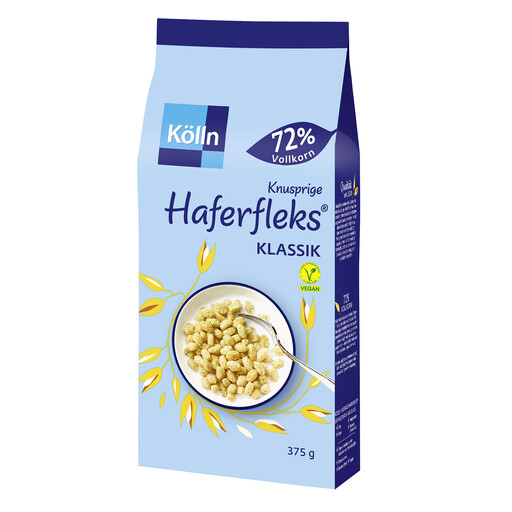
Why this product suits this profile: The simple oat base is ideal for beginners who want crunchy breakfast cereal to enjoy with milk, yoghurt or as a snack.
The wholegrain oat content is clearly stated as 72%, making it easier to compare with cereals described less transparently.
72% wholegrain oat flour; 375-g pack; 7.5 g of fibre per 100 g.
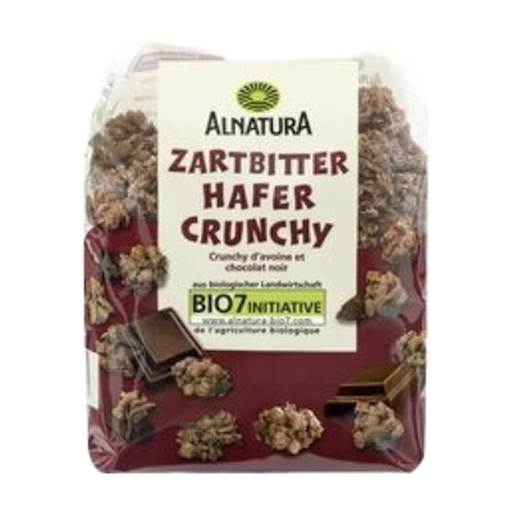
Why this product suits this profile: This option is aimed at buyers who prefer an organic choice with oats, dark chocolate and coconut.
The ingredients and organic information are clearly listed in the product description, rather than relying only on general claims about naturalness.
66% wholegrain oat flakes; 4.9% dark chocolate; a versatile, ready-to-eat crunchy muesli.
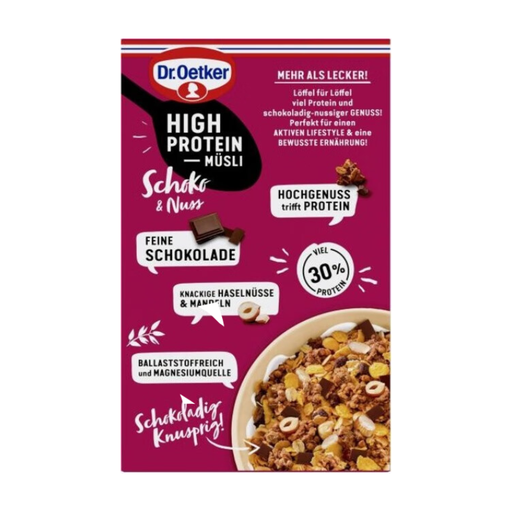
Why this product suits this profile: The recipe combines soya protein, oats, chocolate and nuts for a protein-focused breakfast or snack.
The protein content can be verified from the ingredients list. Soya, milk and nuts are also explicitly identified as allergens.
44% soya protein; 14% wholegrain oats; vegetarian according to the product information.
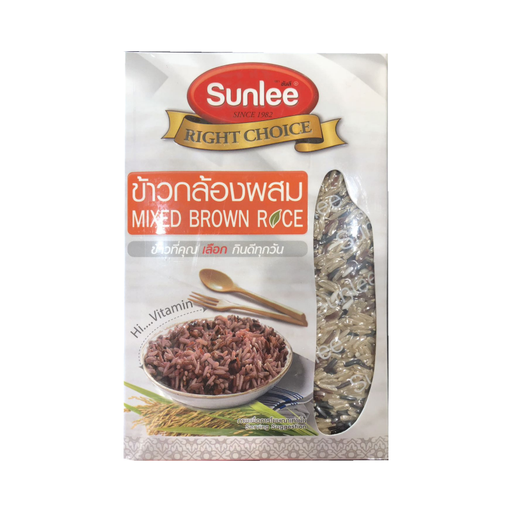
Why this product suits this profile: This multigrain rice blend is an appealing choice for households that want to order a versatile side dish online alongside breakfast products.
The pack size and preparation instructions are clearly stated. Thorough rinsing is recommended before cooking; the rice-to-water ratio is 1:2.
1-kg pack; stated cooking time of approximately 20 to 25 minutes; contains a multigrain blend.
We have put together a complete, regularly updated list of products that fully meet these strict selection criteria and the safety regulations applicable in the EU.
The key factor is the sugar content per 100 g. Oat flakes or muesli with no added sugar can provide a suitable base. With fruit muesli, you should also bear in mind that dried fruit contains naturally occurring sugar. Chocolate and honey cereals can be considerably sweeter, even when they contain wholegrain ingredients.
The pack should be sealed tightly after every use and stored in a dry place. For products with an inner bag, it is best to close it carefully or transfer the contents to an airtight container. Moisture, direct sunlight and significant temperature fluctuations can affect the texture and taste.
This depends on the pack size, delivery costs and price per kilogram. When comparing products, you should therefore look beyond the unit price. Multiple packs can be practical for families and frequent shoppers, while smaller packs are useful if you want to try a particular flavour first.