
Lieferung heute & morgen

Qualitätsgarantie

Willkommens-Angebote freischalten: KOSTENLOSE Lieferung | Bis zu 80 % RABATT | Kostenlose 30-Tage-JoyPlus-Testphase
App herunterladen
Anyone looking to buy multivitamin juice and vitamin drinks will find a wide range of options: from small pouches for drinking on the go and multi-fruit juice for the breakfast table to multipacks for families or offices. However, product names often sound more alike than their ingredients would suggest. Taking a closer look at the fruit content, sugar, sweeteners and pack size can help you avoid unsuitable purchases.
A multivitamin drink may contain water, fruit juice concentrate, sugar, sweeteners and added vitamins. By contrast, 100% fruit juice contains fruit juice only, which may be made from concentrate. However, fruit content alone does not tell you how much sugar a product contains: natural fruit sugar is also listed under “of which sugars” in the nutrition table.
For fruit juice with added vitamins, “no added sugar” may mean that it contains only the naturally occurring sugar from the fruit. A classic multi-fruit juice can therefore contain around 9 to 11 grams of sugar per 100 millilitres. A sugar-free vitamin drink may contain considerably less sugar, but could use sweeteners such as sucralose, acesulfame K, saccharin or cyclamate.
A juice multipack containing six 1-litre bottles makes sense for families, shared houses or offices. However, many juices need to be refrigerated after opening and consumed within three to four days. For individuals, a multipack of smaller portions may therefore be more suitable, even if the price per litre is higher.
Start by reading the legal product name and ingredients list. The main categories are:
A product with 10% fruit content may taste fruity, but it should not be confused with 100% multi-fruit juice.
The serving size shown on the front of the pack can make comparisons more difficult. Always use the figures per 100 millilitres instead. For the products reviewed here, for example, the energy content ranges from around 3 kcal for a sugar-free Capri-Sun variety to approximately 47 kcal for a classic multivitamin juice.
Pay particular attention to:
Many products are fortified with vitamins such as vitamin C, vitamin E, niacin, vitamin B6, biotin or vitamin B12. Some labels also state the percentage reference value per 100 millilitres. This information describes the nutrient content, but is not a substitute for a balanced diet or medical advice.
The manufacturer’s instructions also apply once bottles have been opened. Refrigerated storage and consumption within a few days are often recommended. Unopened packs should be stored in a dry, cool place away from direct sunlight.
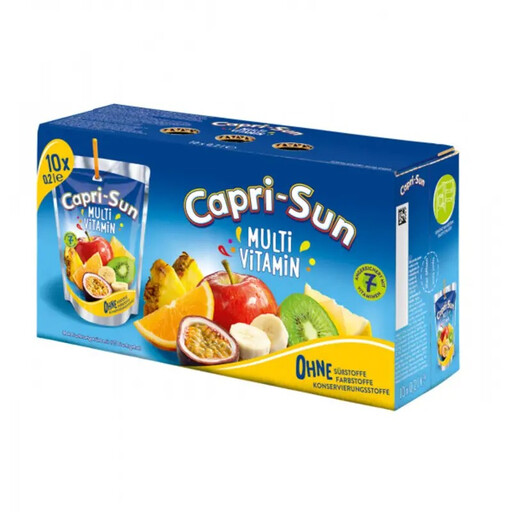
Why this product suits the profile: Ten 200-millilitre portions are easy to manage and suitable for families, days out or keeping in the kitchen cupboard.
The product information states 10% fruit content and 7.1 g of sugar per 100 ml. This makes it easy to distinguish the drink from 100% fruit juice.
Ready to drink, with no artificial sweeteners according to the product description, and containing six added vitamins.
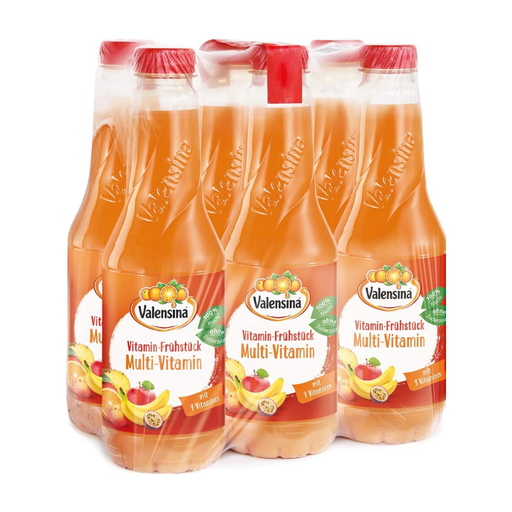
Why this product suits the profile: The stated 100% fruit content and 1-litre bottles are ideal for people who prioritise juice quality and a clear ingredient list.
The 100% fruit content clearly distinguishes it from a drink with a low juice content. “No added sugar” does not mean sugar-free in this case.
100% fruit content, 9 1-litre bottles according to the product information, and several added vitamins.
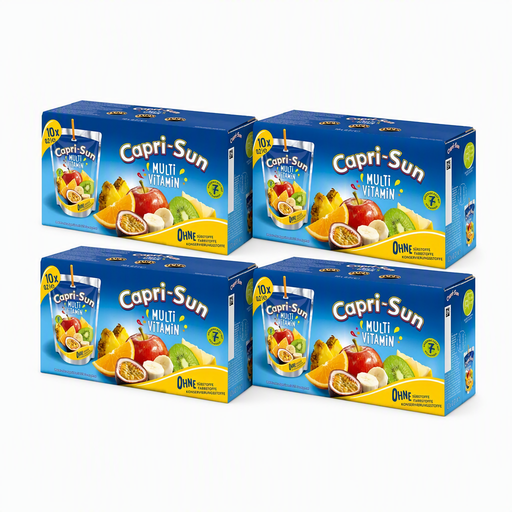
Why this product suits the profile: Forty individual portions are suitable for larger households, club events, offices or regular days out.
The pack size is clearly stated. With 10% fruit content and 7.1 g of sugar per 100 ml, the composition is easy to assess.
A large supply, 200-millilitre portions and storage without refrigeration before opening, according to the product description.
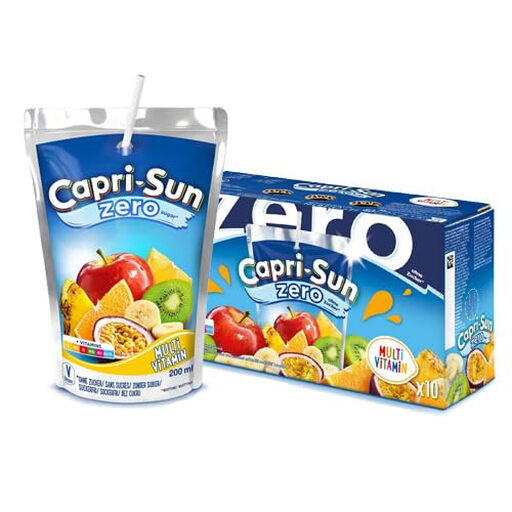
Why this product suits the profile: The small pouches are designed for drinking on the go, while the nutritional values of 3 kcal and 0.9 g of sugar per 100 ml make this a reduced-sugar option.
The “Sugar-Free” designation should be checked against the ingredients list: according to the product information, sweeteners are used. This means the product should not be considered the same as an unsweetened juice.
Very low energy content according to the nutritional information, ready-to-drink 200-millilitre portions and six added vitamins.
For a classic Hohes C Multivitamin supply, options include the Hohes C Milder Multivitamin Juice 6 x 1 L and the version with 8 bottles of 1.5 litres each. The product information states 100% fruit content and around 10 g of sugar per 100 ml. If you are looking for additional vitamin D, you can consider the Hohes C Plus Sonnen-Vitamin D Multi-fruit Juice 6x1L.
For offices or households with higher consumption, the Amecke Multivitamin Juice 6x1L and Amecke Plus Vitamin D Multi-fruit Juice 6 x 1 L are also worth considering. When choosing between Valensina Multivitamin, Hohes C and Amecke, it is worth comparing the vitamin list, sugar content and recommended shelf life after opening.
We have put together a complete, regularly updated list of products that fully meet these strict selection criteria and the safety regulations applicable in the EU.
No. A classic multivitamin juice with 100% fruit content contains naturally occurring fruit sugar. Check the “of which sugars” figure per 100 millilitres. A sugar-free vitamin drink, on the other hand, may contain sweeteners.
This depends on the product. Many 1-litre juices should be refrigerated after opening and consumed within three to four days. The instructions on the individual packaging are always the deciding factor. Small individual portions generally do not need to be stored after opening.
For occasional consumption or drinking on the go, 200- or 330-millilitre portions are practical. Families, offices and households that regularly drink juice may find it easier to plan with a 6x1-litre pack or a larger multipack. The key consideration is whether the supply can be used within the stated period after opening.