
当日/次日达

品质保障

开启新人专享福利: 全场免邮 | 低至 2 折 | 免费试用 30 天 JoyPlus 会员
下载 Joybuy
Anyone looking to buy multivitamin juice is often faced with an overwhelming shelf. The packaging makes big promises, but not every product delivers what it suggests at first glance. Making a conscious choice requires a close look at the details to avoid common marketing traps and select a product that truly meets your needs.
This guide will help you identify the important criteria and separate the wheat from the chaff.
Before you decide on a juice, it's helpful to be aware of the typical points of confusion that can lead to the wrong choice.
To make an informed decision, you should examine three central product features.
In Germany, the naming conventions are clearly regulated. This distinction is fundamental:
For a nutrient-rich choice, a pure fruit juice is generally the best option.
A good multivitamin juice is distinguished by a sensible supplementation of nutrients. Pay attention to the nutrition facts table and the ingredients list.
A vegan juice is also an important criterion for many. Most juices are vegan by nature, but gelatin of animal origin can be used in the clarification process of some juices (especially apple juice). An explicit label provides certainty here.
The packaging should match your consumption habits to ensure freshness and avoid waste.
Here are some product recommendations tailored to different requirements.
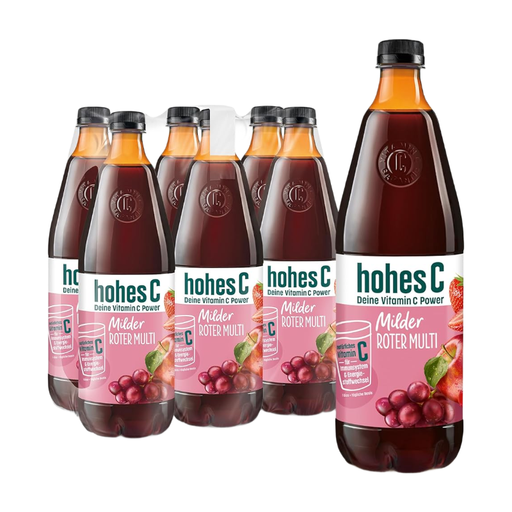
Why This Fits Their Persona: Ideal for families who need a reliable supply of nutrient-rich juice. The mild recipe made from low-acid fruits is also pleasant for children, and the juice is declared as a vegan juice. The 6-pack is a classic bulk juice pack.
This is a 100% juice, not a nectar. The vitamin fortification is clearly declared and, according to the manufacturer, one glass (250 ml) covers the daily requirement for vitamin C.
Broad spectrum of B vitamins, vitamin C, and E. The mild recipe makes it very palatable and accessible.
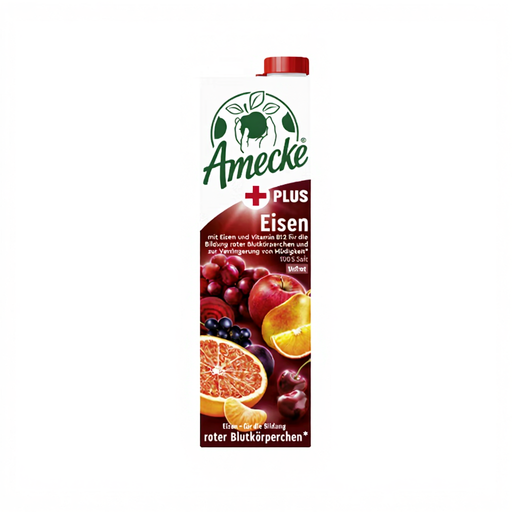
Why This Fits Their Persona: Perfect for individuals looking to specifically supplement their diet with iron. The 1-litre pack is practical for single-person or smaller households, as it can be consumed quickly after opening.
This product goes beyond a vague vitamin promise and offers a clear, functional benefit. The combination with vitamin C is smart, as it improves the body's iron absorption.
Targeted fortification with iron, vitamin C, and B12. According to the manufacturer, one glass (200 ml) covers 30% of the daily iron requirement.
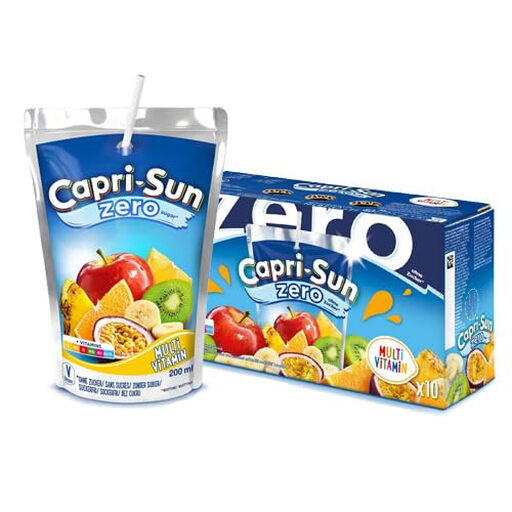
Why This Fits Their Persona: A practical solution for anyone looking for on-the-go refreshment but wanting to avoid sugar. The drink pouches are durable and ideal for sports, outings, or the lunchbox.
This product consistently bypasses the sugar trap in fruit juice drinks by omitting added sugar and using sweeteners instead. The calorie content is extremely low at 3 kcal per 100 ml.
No added sugar and very low in calories. The fortification with a vitamin blend offers an added benefit over plain water.
We have compiled a complete, up-to-date list of products that fully meet these strict selection criteria and German regulations.
1. How can I identify a multivitamin juice with no added sugar? Check the ingredients list. If it only lists fruit juice (from concentrate or not from concentrate) and vitamins, but no "sugar," "glucose syrup," or other sweeteners, the product contains no added sugar. The statement "Contains naturally occurring sugars" is a standard notice. Additionally, compare the "of which sugars" value in the nutrition facts table across different products.
2. How long does multivitamin juice last after opening? Once opened, multivitamin juice should be stored in the refrigerator. Most manufacturers recommend storing the juice upright and consuming it within 3 to 4 days. Contact with oxygen can degrade nutrients, especially vitamin C, and the juice can lose quality.
3. Are juices from concentrate less valuable? Not necessarily. In the production of fruit juice concentrate, water is gently removed from the fruit. Later, the same amount of drinking water is added back. The heat-sensitive aromas and vitamins are often captured separately and re-added to the juice at the end. By law, the nutrient content and quality of a juice from concentrate must be equivalent to that of a comparable "not from concentrate" juice. However, taste differences may exist.