
Lieferung heute & morgen

Qualitätsgarantie

Willkommens-Angebote freischalten: KOSTENLOSE Lieferung | Bis zu 80 % RABATT | Kostenlose 30-Tage-JoyPlus-Testphase
App herunterladen
If you want to buy nappies online, you’ll quickly find countless brands, sizes and pack options. But a large pack isn’t automatically the right choice, and a claimed leak guard means little if the nappy doesn’t fit properly around the leg or tummy. What really matters are clear details on weight, cut, materials, fastening system and price per nappy.
Age isn’t a reliable guide when it comes to nappies. Babies and toddlers develop at different rates. The key factor is the weight range, combined with how the nappy fits around the tummy and legs. Even if the weight is right, a nappy can still be too tight or too loose.
So look out for ranges like 2–5 kg, 6–10 kg or 11–16 kg. The available ranges vary by brand. For example, the product lines in this selection cover sizes from nappy size 1 to 7. The number on the pack alone is less informative than the specific weight range.
Phrases like “up to 12 hours” or “up to 100% protection” are manufacturer claims under certain conditions. They don’t replace regular checks and don’t apply equally to every sleeping position, amount of fluid or body shape. For nighttime, night-time nappies or nappy pants with a more absorbent core could be worth considering. A full or soiled nappy should still be changed promptly.
Nappies in a value pack can lower the price per nappy. But don’t buy too many packs of one size if your child is about to move up. A nappy that’s too small can cause pressure marks and leaks; one that’s too big may not seal properly around the legs. Always compare the price per nappy alongside the total price, and think about how many you realistically need.
Before you buy, check:
A well-fitting nappy sits securely without digging in. If the nappy gapes at the back or you keep getting side leaks, a different cut or the next size up might be a better option.
For everyday use, what matters is an absorbent core, fast liquid uptake and a reliable fit. Double leg cuffs, a back pocket or an all-round elasticated waistband can help with leak protection. These features reduce the risk of leaks, but they’re not an absolute guarantee.
With the Pampers models, features include a fast-absorbing core, a Stop & Protect pocket and double leg cuffs. The Pampers Baby-Dry Size 3 also has a wetness indicator. Visible features like this can make it easier to know when to change a nappy during the day.
For nappies for sensitive skin, read the materials and ingredients list rather than relying solely on terms like “gentle” or “natural”. Things to look out for include:
According to the manufacturer, several Pampers models are dermatologically tested, certified to OEKO-TEX STANDARD 100 and contain no intentionally added EU perfume allergens. These details describe product features and aren’t a medical promise. If you notice redness, itching or persistent irritation, stop using the product and seek medical advice if needed.
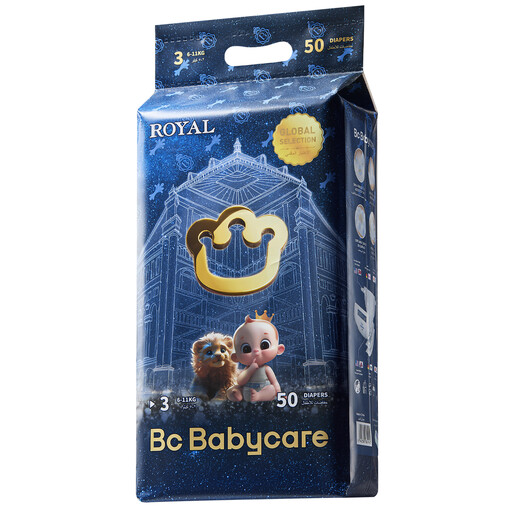
Why this product fits the profile: The pack of 50 nappies is ideal for trying out the cut and materials in everyday use without committing to a very large quantity. The stated weight range is 6–11 kg.
The specific size and weight information prevents you from choosing based only on the number on the pack. A three-stripe wetness indicator is included according to the product details.
According to the product information, this model features an absorbent SAP core, adjustable fastening tapes and a 360-degree leak protection design.
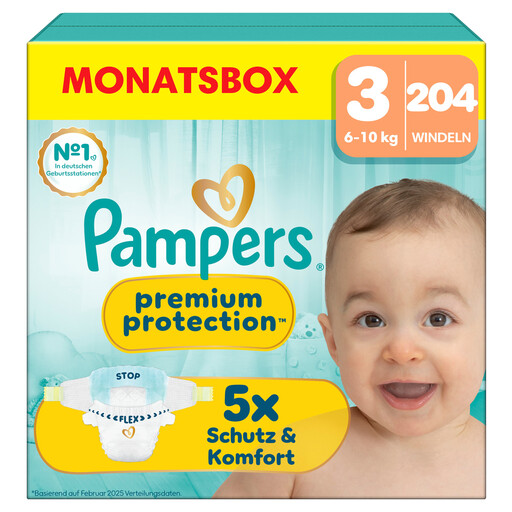
Why this product fits the profile: This model is aimed at families who pay close attention to detailed information about the inner lining, waistband, absorbent core and material certification.
The product description lists specific construction features rather than just general comfort claims, including a flexible waistband, leg cuffs and a back pocket.
According to the manufacturer, this model features a Derma-Comfort inner lining, a wetness indicator, OEKO-TEX STANDARD 100 and 0% intentionally added EU perfume allergens.
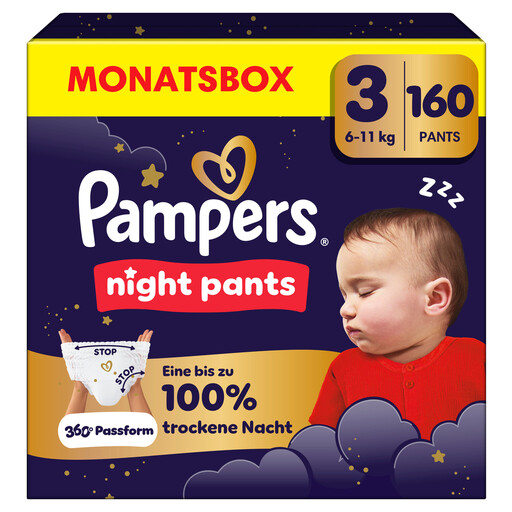
Why this product fits the profile: These nappy pants are designed for families who prefer an elasticated all-round fit and easy dressing for nighttime or for active, mobile children.
The 360-degree waistband adapts to movement. The design with leg cuffs and a back pocket targets common leak points, but doesn’t replace the need for a proper fit.
According to the manufacturer, this model has a more absorbent core, a 360-degree fit and side tear-away seams for easy changing.
We’ve put together a full, regularly updated list of products that meet these strict selection criteria and all applicable EU safety regulations.
Start with the stated weight range, then check the fit around the tummy and legs. Red marks, frequent leaks or the nappy digging in are signs you may need a different model or size. The overlaps between nappy sizes can vary from brand to brand.
That depends on how full it is, whether it’s soiled, the time of day and your child’s skin sensitivity. A wet or soiled nappy should be changed promptly. Claims like “up to 12 hours” are based on manufacturer test conditions and aren’t a fixed wear time for every child.
Not necessarily. Divide the total price by the number of nappies, then compare the pack size with how many you actually use. A value pack is worth it mainly if you’re likely to stay in the current size for a while and can store the nappies dry and in their original packaging.