
Lieferung heute & morgen

Qualitätsgarantie

Willkommens-Angebote freischalten: KOSTENLOSE Lieferung | Bis zu 80 % RABATT | Kostenlose 30-Tage-JoyPlus-Testphase
App herunterladen
If you want to buy alcohol-free beer online, you’ll find a wide selection of Pilsner, shandy, wheat beer and malt-based drinks. However, product pages often use similar terms, list different bottle sizes and give varying information about alcohol content. If you focus only on the brand or pack price, it’s easy to order a drink that isn’t right for the occasion.
This buying guide will help you compare products objectively and avoid common mistakes.
In Germany, beer labelled as alcohol-free may still contain a small amount of residual alcohol, up to 0.5% ABV. 0.0 beer, on the other hand, is specifically labelled as containing 0.0% alcohol. If you want to avoid alcohol completely, check the specific product information rather than relying on the front of the packaging alone.
Drivers should also bear in mind that the term “alcohol-free” is no substitute for making an individual assessment of whether they are fit to drive. If you need to avoid alcohol completely, choose a product clearly labelled 0.0%.
An alcohol-free Pilsner may contain fewer calories than a classic beer, while a shandy can provide considerably more carbohydrates due to the lemonade and sugar. Malt-based drinks such as Supermalt Alcohol Free also often have a higher sugar and energy content. That’s why calories, carbohydrates and sugar per 100 ml are useful figures to compare.
A crate of 24 small bottles and a multipack of 24 x 0.5 l bottles aren’t directly comparable. Check the total volume before you buy:
In addition, deposits on returnable or non-returnable packaging, glass bottles and cans can all affect the total cost. The price per litre gives you a more objective basis for comparison than the pack price alone.
Check whether the product is listed as alcohol-free beer, 0.0 beer, a beer-based mixed drink or an alcohol-free malt drink. An alcohol-free shandy is generally made with alcohol-free beer and lemonade. Its taste and nutritional values can therefore differ considerably from those of an alcohol-free Pilsner.
If the product information is contradictory, give priority to the labelling on the packaging. This is particularly important with international products or automatically translated descriptions.
Many products contain barley malt and therefore gluten. Alcohol-free wheat beer may also contain wheat malt. If you need to take allergies or intolerances into account, read the ingredients list and allergen information before placing your order.
Shandies often also contain sugar, fruit juice concentrate, acidity regulators and flavourings in the lemonade mix. A cloudy appearance is not a reliable indication of a particular sugar or calorie content.
Compare the figures per 100 ml, not just per bottle. As a useful guide:
These figures are based on the information provided for each product and may change if the recipe is updated. Always refer to the label on the goods you receive.
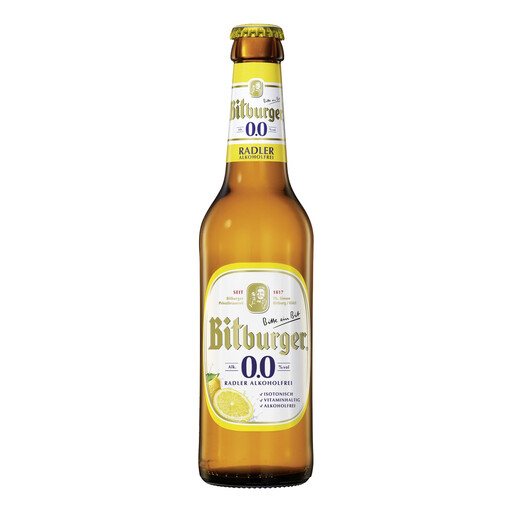
Why this product suits you: This multipack of 24 x 0.33 l bottles is ideal for households looking to stock up on a fruity shandy for everyday enjoyment, barbecues or get-togethers.
The product information explicitly states that it contains 0.0% alcohol and is made with 60% lemonade and 40% alcohol-free beer.
24 individual bottles, 7.92 l total volume and 27 kcal per 100 ml, according to the product information.
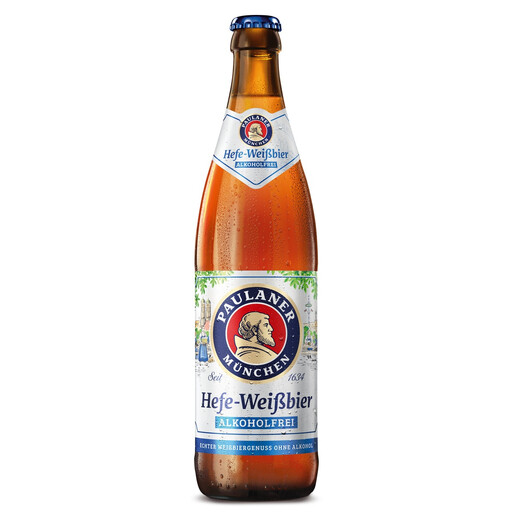
Why this product suits you: This alcohol-free wheat beer is a great choice if you prefer a larger bottle, a naturally cloudy appearance and classic wheat beer notes.
The product description lists the alcohol content as less than 0.5% ABV. If you need a 0.0% product, check the packaging before you buy.
20 x 0.5 l bottles, 10 l total volume and 26 kcal per 100 ml, according to the product information.
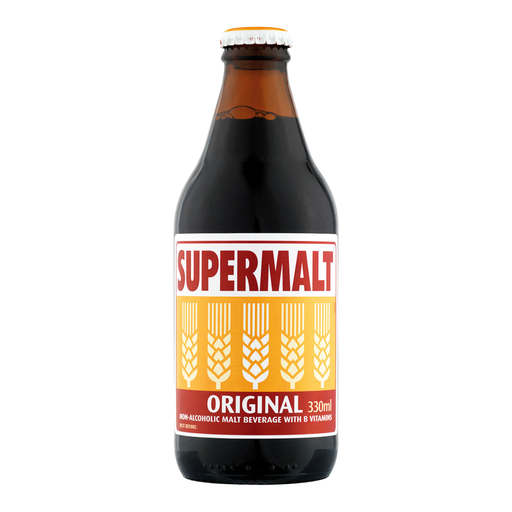
Why this product suits you: This alcohol-free malt drink is an alternative to beer and shandy if you’re looking for a malty flavour with notes of caramel and liquorice.
The product description lists 62 kcal and 13 g of sugar per 100 ml. This makes it easier to distinguish from lower-calorie Pilsner or wheat beer options.
330 ml glass bottle, naturally carbonated according to the product information, with barley malt as a key ingredient.
We’ve put together a complete, regularly updated list of products that meet these strict selection criteria and fully comply with the safety regulations in force in the EU.
Not all alcohol-free beer is completely free from alcohol. Products labelled “alcohol-free” may contain up to 0.5% ABV. For a clear indication, look for the 0.0% label. The information on the label of the product you receive is the one to rely on.
The best-before date is printed on the bottle, can or outer packaging. Unopened products should be stored in a cool, dry place away from direct sunlight. Once opened, it’s best to drink them soon, as they may lose their carbonation and flavour.
A multipack can bring down the price per litre and is a good choice if you drink it regularly. Whether it really works out cheaper depends on the offer price, total volume, deposit and delivery costs. Compare the price per litre and check that you’ll be able to drink it within the stated shelf life.