
Lieferung heute & morgen

Qualitätsgarantie

Willkommens-Angebote freischalten: KOSTENLOSE Lieferung | Bis zu 80 % RABATT | Kostenlose 30-Tage-JoyPlus-Testphase
App herunterladen
Non-alcoholic drinks fit into many everyday situations: with dinner, at family celebrations, while driving, or as an alternative to alcoholic products. The range extends from non-alcoholic beer and non-alcoholic wine to lemonades and sugar-free soft drinks. However, the name alone doesn't always tell you enough about the ingredients, alcohol content, sweeteners or pack size.
With beer and wine, "alcohol-free" can mean a residual alcohol content of up to 0.5% ABV, depending on the product. If you need or want to avoid alcohol completely, you should specifically look for 0.0% ABV and check the product details on the label.
This is particularly important for pregnant women, people who avoid alcohol for medical reasons, and those with religious or personal requirements. Drivers should also consider their individual circumstances. An alcohol-free product is not automatically the same as a product with no alcohol content whatsoever.
A non-alcoholic lemonade may contain no alcohol, but it can still be high in sugar. For example, Paulaner Orange Limonade lists 10.7 g of sugar per 100 ml. In a 0.33-litre bottle, that adds up to more than 35 g of sugar.
Conversely, sugar-free soft drinks can contain sweeteners such as aspartame or acesulfame K. According to the product information, Fanta Exotic Zero Sugar has 3 kcal and 0.5 g of sugar per 100 ml and contains a source of phenylalanine. The nutrition table and ingredients list are therefore more important than the front of the packaging.
Non-alcoholic drinks in multi-packs often reduce the need to reorder, but they require plenty of storage space. Glass bottles are heavier than PET bottles and can be more fragile during delivery or storage. Before buying, you should compare total volume, bottle size, deposit, packaging type and consumption rate.
Look for the specific declaration:
Maybach non-alcoholic Rosé states 0.5% ABV. The product information also notes that despite the name, it is not suitable for children or pregnant women. Maybach non-alcoholic White Wine, on the other hand, is labelled as 0.0% ABV, but contains sulphites and is stated as not intended for people under 16.
Beer and beer-like drinks often contain barley malt, wheat malt and gluten. This applies, for example, to Kirin Ichiban Non-Alcoholic Beer and Seoul Breeze Yuzu Beer. For people with coeliac disease or gluten intolerance, the allergen labelling is crucial.
With non-alcoholic wine, you should look out for sulphites. With lemonades, it's worth checking the sugar, sweeteners, fruit juice content and acidity regulators. A fruity flavour doesn't automatically mean a high fruit content.
For occasional enjoyment, a single pack or small multi-pack is often sufficient. For parties, home entertaining or regular consumption, 6-packs, 8-packs or 24-packs can be more practical.
Examples from the selection:
With glass bottles, also consider the weight and storage space. Once opened, carbonated drinks should generally be kept chilled and consumed promptly.
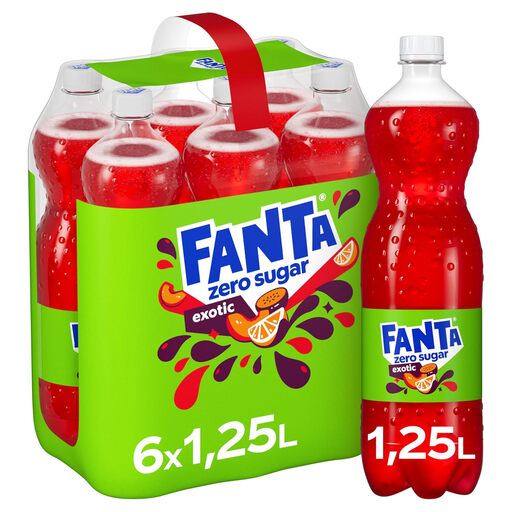
Why this product fits the profile: The 6-pack is ideal for households looking for a fruity, non-alcoholic refreshment with low energy content.
The nutritional information states 3 kcal and 0.5 g of sugar per 100 ml. The sweeteners used and the source of phenylalanine are also clearly listed.
6 bottles of 1.25 l each; carbonated soft drink with an exotic fruit flavour.
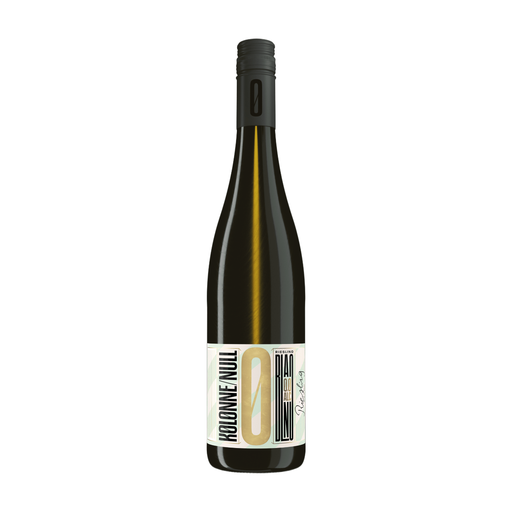
Why this product fits the profile: The 0.0% ABV declaration, the Riesling grape variety and the stated organic control number provide clear guidance for wine lovers.
The product details state 0.0% ABV, ingredients and sulphites. This makes it easier to match the choice with your personal dietary requirements.
Riesling from Germany, 0.75-l bottle, 0.0% ABV and 16 kcal per 100 ml according to the product information.
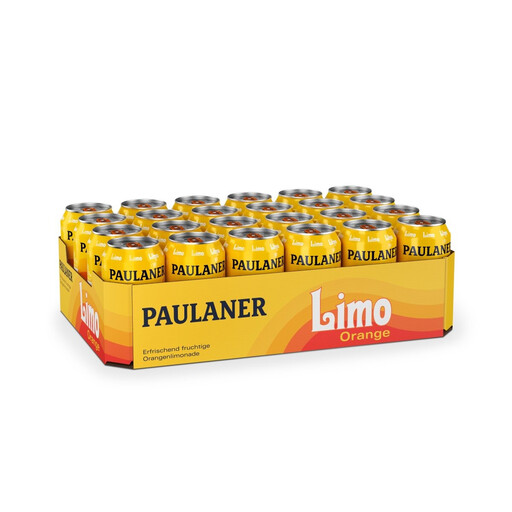
Why this product fits the profile: The 24-pack is designed for parties, larger households and regular use.
The small individual bottle limits leftover amounts once opened. The nutritional information of 43 kcal and 10.7 g of sugar per 100 ml makes the composition clear.
24 glass bottles of 0.33 l each; orange flavour; according to the product information, no declared allergens.
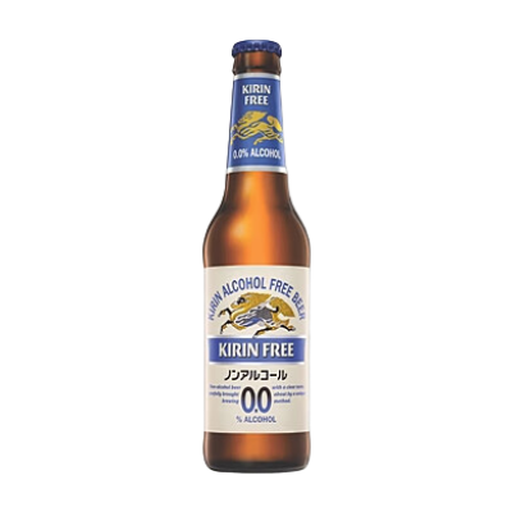
Why this product fits the profile: The 0.33-l bottle is suitable for individual meals or a controlled supply when you're after a malty, hoppy beer character.
The ingredients list includes water, barley malt and hops. The mention of barley and possible wheat components helps with allergen checking.
330 ml glass bottle, can be served chilled, with clearly declared gluten-containing cereal ingredients.
We've put together a complete, regularly updated list of products that fully meet these strict selection criteria and the safety regulations in force in the EU.
No. Non-alcoholic beer and non-alcoholic wine in particular can contain up to 0.5% ABV residual alcohol. If you want to avoid alcohol entirely, you should look for the 0.0% ABV label and check the packaging.
A blanket recommendation isn't helpful. Products with a declared residual alcohol content should be avoided. Even with products labelled 0.0% ABV, you should follow the specific manufacturer's advice. Maybach non-alcoholic Rosé is explicitly stated as not suitable for pregnant women according to the product information.
The best-before date is on the packaging. Unopened drinks should be stored in a cool, dry place away from direct sunlight. Once opened, carbonated drinks should be kept in the fridge and consumed promptly, as the fizz and flavour will fade.