
Lieferung heute & morgen

Qualitätsgarantie

Willkommens-Angebote freischalten: KOSTENLOSE Lieferung | Bis zu 80 % RABATT | Kostenlose 30-Tage-JoyPlus-Testphase
App herunterladen
Anyone looking to buy a nut mix online will quickly find a wide selection: classic trail mix, fruity nut and fruit mixes, roasted or salted nuts, as well as spicy varieties such as Bombay Mix or Punjabi Mix. Product names often sound similar, but can differ considerably in terms of ingredients and sugar, salt and protein content.
As a Joybuy Product Recommendation Officer, I filter the most important information from the product data. This makes it easier to assess which nut snack is best suited to studying, the office, hiking, stocking up for the family or social occasions.
“Berry Mix”, “trail mix” or “Premium Mix” alone says little about the actual composition. The ingredients list is what matters. According to the product information for Seeberger Soft Berry & Roasted Nut Mix 150 g, 50% consists of dried, partially sugar-coated berries and 50% of tree nuts. In a classic trail mix, on the other hand, the fruit content may be considerably lower.
If you are mainly looking for nuts, pay attention to the percentage listed for each ingredient. Mixes with a higher berry or raisin content are suitable for a fruity, sweet snack. For a high-protein snack, the proportion of nuts, seeds or soya beans is more relevant than the colour of the packaging or promotional wording.
Dried fruit naturally contains sugar. Cranberries, mango pieces or berries may also have added sugar. According to the product description, the Seeberger Cashew & Cranberry Snack Mix contains 40% sweetened dried cranberries. This is worth considering if you prefer a less sweet mix.
In savoury snacks, the focus is often on salt and spices. According to the product data, Regal Bombay Mix contains 2.77 g of salt per 100 g. Regal Punjabi Mix is also made with a range of spices and, according to the stated information, contains peanuts, gluten-containing ingredients and other potential allergens. Comparing products per 100 g prevents a large pack from automatically being seen as better value or more suitable.
A 150 g bag is practical for taking on the go or for individual households. For several people, regular office breaks or keeping a supply at home, 200 g trail mix, 375 g or 400 g packs may be more suitable. Larger bags should be sealed properly after opening, as nuts can lose their crunch when exposed to air and moisture.
The ingredients list should answer the following questions first:
Tree nuts, peanuts, soya, gluten and sesame are particularly relevant details for many shoppers. According to the product description, products such as the Max Mix Roasted Nut & Edamame Snack Mix list almonds, cashews and soya beans as allergens. If you are looking for a vegan option, check the ingredients and labelling of the specific product; the Max Mix mentioned here is described as suitable for vegans.
The nutritional table enables an objective comparison. The most relevant values are:
Nuts typically contain a lot of fat and energy, while dried fruit can increase the carbohydrate and sugar content. With roasted or salted nuts, it is worth taking a close look at the oil and salt content. For example, Seeberger Roasted & Salted Premium Nut Mix lists 24 g of protein and 0.82 g of salt per 100 g. According to the product data, Max Mix contains 25 g of protein per 100 g and is seasoned with chilli, garlic, onion and cumin.
For a snack to enjoy on the go, resealable or individually portioned packs are practical. Ültje Classic Student Mix is available in a 200 g pack. Wo Long Share Pack consists of five individual 40 g bags, making it suitable for the office, days out or sharing.
For all products, follow the specific storage instructions on the packaging. Storage in a cool, dry place protected from heat is usual. The best-before date may vary depending on the production batch and should be checked directly on the packaging.
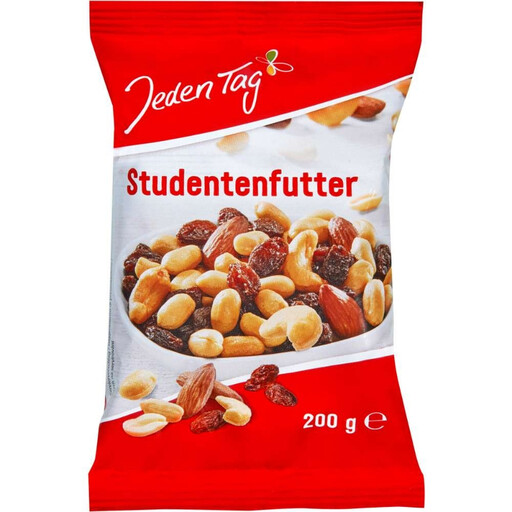
Why this product suits the profile: According to the product information, the 200 g pack combines 40% raisins with peanuts, almonds and cashews. This classic trail mix is suitable for study breaks, commutes and keeping at home.
The ingredient percentages and nutritional values per 100 g are provided. This makes it possible to compare the fruit content with other trail mixes.
200 g format, 17 g of protein per 100 g according to the product description, and a classic combination of nuts and raisins.
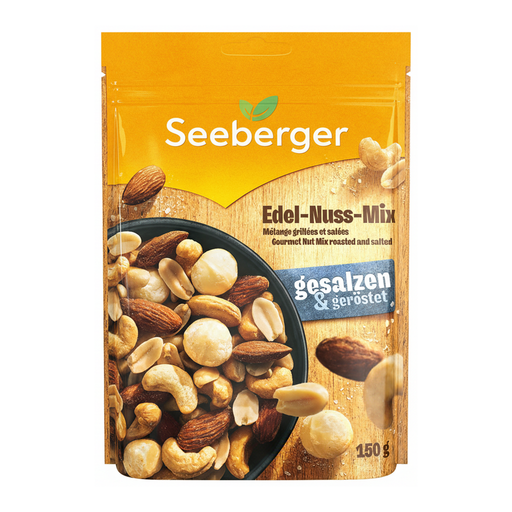
Why this product suits the profile: According to the product information, the mix contains cashews, almonds, peanuts and macadamia nuts. It is aimed at shoppers who prefer roasted nuts with a subtle salty note.
The product data specifies the types of nuts included, as well as the salt and fat values per 100 g. This allows you to choose based on specific information rather than general marketing claims.
24 g of protein and 0.82 g of salt per 100 g according to the product description; 150 g pack for portioned consumption.
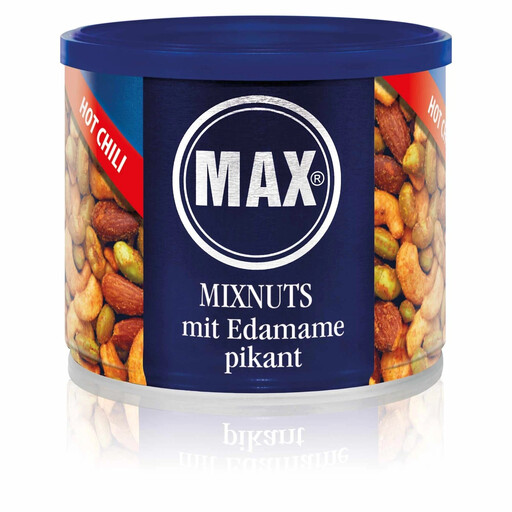
Why this product suits the profile: This mix combines roasted almonds, cashews and edamame with chilli and other spices. According to the product description, it is suitable for vegans and contains 25 g of protein per 100 g.
The ingredients list clearly shows the soya beans, spices, oil and salt. This allows shoppers to check whether the level of heat and the allergens suit their needs.
250 g pack, 25 g of protein per 100 g and a spicy recipe containing 0.2% chilli powder according to the product data.
We have put together a complete, regularly updated list of products that fully meet these strict selection criteria and the safety regulations applicable in the EU.
For commutes, hikes and study breaks, resealable 150 g or 200 g packs are practical. If you prefer individual portions, choose packs containing separate bags. Before buying, check the weight, closure and storage instructions.
Trail mix usually consists of a combination of nuts and raisins. A nut and fruit mix may also contain cranberries, mango, berries or other dried fruit. The exact difference depends on the ingredients list for each product. Sugar levels can vary considerably, particularly when the fruit has been sweetened.
Store the opened pack in a cool, dry place protected from heat and direct sunlight. A secure seal or airtight container reduces contact with moisture. The best-before date and the manufacturer's instructions on the packaging remain decisive. With nut products, also remember that young children can choke on whole nuts; follow any relevant warnings.