
Lieferung heute & morgen

Qualitätsgarantie

Willkommens-Angebote freischalten: KOSTENLOSE Lieferung | Bis zu 80 % RABATT | Kostenlose 30-Tage-JoyPlus-Testphase
App herunterladen
If you want to buy nut snacks online, you’ll find a huge selection of roasted, seasoned and sweet varieties. The differences aren’t just about taste: the ingredients list, allergens, portion size, packaging and nutritional values all determine whether a product is right for the office, a family gathering or sharing at a party.
As a Joybuy Product Recommendation Officer, I’ve organised the available information in a straightforward way. The aim is to help you choose by separating marketing claims from verifiable product data, and to help you avoid common buying mistakes.
“Nut snack” doesn’t automatically mean the contents are mostly nuts. With seasoned nuts and crunchy nut snacks, flour, starch, sugar or oil can make up a large proportion. That’s why it’s worth checking the quantitative ingredient declaration:
A striking flavour name like “Chilli”, “Barbecue” or “Cream” mainly describes the seasoning, not necessarily the nut content.
Roasted nuts can become significantly sweeter due to sugar, honey, syrup or a caramel coating. Riegelein Roasted Caramelized Peanuts, for example, contain 52.3 g of sugar per 100 g according to the nutritional information. The Jeden Tag Honey & Salt Cashew & Peanut Mix has 36 g of sugar per 100 g.
Conversely, a product with little sugar can be relatively high in salt. The Jeden Tag paprika peanuts have 2.8 g of salt per 100 g. When choosing an everyday snack, you shouldn’t just look at the calorie count; you should also consider the balance of sugar, salt and portion size.
Peanuts, cashews, pistachios, pecans and macadamias are among the allergens that must be declared by law. Coated products can also contain wheat, soya, milk or sesame. The Jeden Tag Roasted Spicy Chili Cashews, for example, list cashews as well as gluten from wheat.
With chilli peanuts, Korean-style snacks or heavily flavoured Asian snacks, you should also check the ingredients list for chilli, pepper, onion and flavour enhancers. For young children, nuts and hard coatings also pose a choking hazard.
First, compare the first ingredients on the list. If the nut in question is listed first, it is usually the main ingredient by quantity. A higher nut content can be appealing to people who prefer the natural taste of cashews, pistachios or pecans. With heavily coated snacks, on the other hand, the crunchy shell is more prominent.
The information per 100 g makes it easier to compare different pack sizes. The most relevant factors are:
These values are not a health assessment. They simply help you choose a product that suits your own diet and the portion size you have in mind.
Small individual portions are ideal for a rucksack, desk or lunchbox. Larger bags are often more practical for families and snack nuts for sharing, but they need to be resealed tightly after opening. With several products, it is recommended to consume the contents within a few days of opening, or as soon as possible.
Also pay attention to the storage instructions: a cool, dry place away from direct sunlight, moisture and heat is usual.
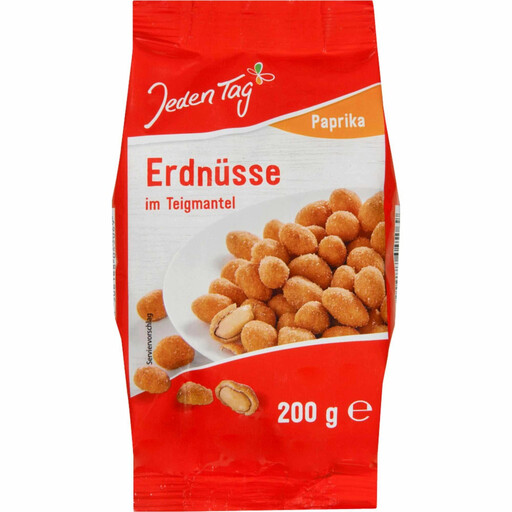
Why This Fits Their Persona: The 200 g pack is ideal for film nights, small gatherings or the store cupboard, and offers a clear paprika flavour.
The peanut content of 46% is verifiable in the ingredients declaration; at the same time, the salt content of 2.8 g per 100 g is clearly stated.
200 g bag, crunchy coating and, according to the product information, made in Germany.
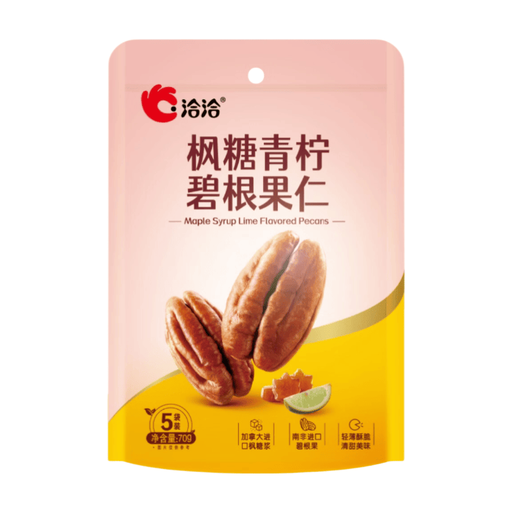
Why This Fits Their Persona: A small pack for coffee breaks, on the go or as an addition to a mixed snack selection.
The declaration of 80% pecans shows that the nut kernel makes up a significant part of the mix; maple syrup and lime are clearly named.
Not fried according to the product description, 70 g portion and a sweet-and-sour flavour combination.
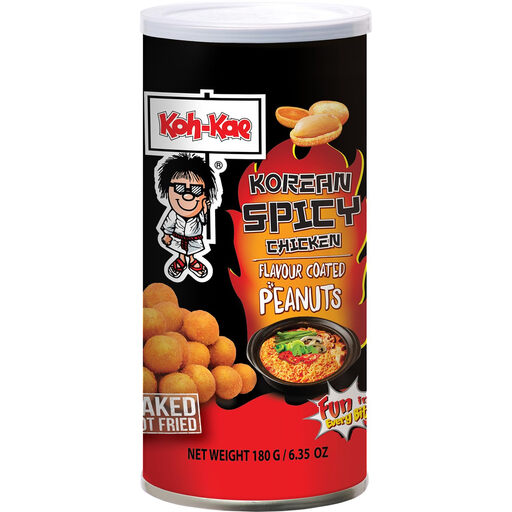
Why This Fits Their Persona: The 180 g pack suits social evenings and people looking for Asian snacks with intense seasoning.
The product information states 60% peanuts, as well as wheat, soya and sesame as allergens. The salt content of 2.3 g per 100 g can be checked before purchase.
Large 180 g pack, roasted peanuts and Korean-inspired seasoning.
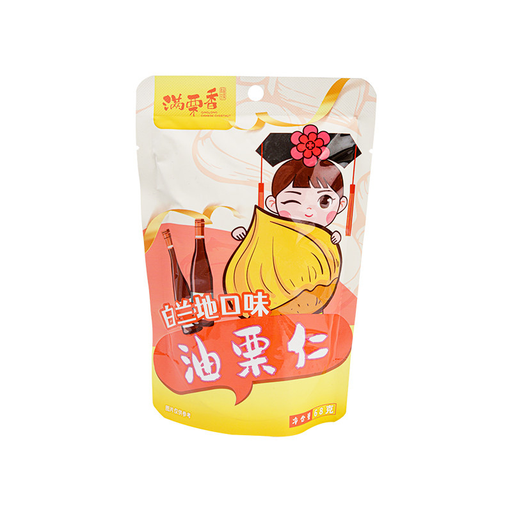
Why This Fits Their Persona: A compact option for tea, coffee, the office or travel, when a softer, sweeter snack is desired.
The ingredients list explicitly mentions chestnuts, brandy and vanilla flavouring. With 0 g of salt per 100 g, the profile is clearly distinct from savoury nut snacks.
68 g bag, ready-to-eat chestnut kernels and, according to the information, 1.7 g of fat per 100 g.
The full selection of coated nuts offers more roasted, sweet and seasoned varieties for different occasions.
For a varied order, you can combine different flavours:
Small packs like ChaCha pecans, candied chestnuts or individual cashew portions are easy to store and portion out. For a shared break table, 150 to 200 g bags are more practical. If there are allergies in the team, open bowls should be avoided and the ingredients list should be kept visible.
Store the bag tightly sealed, in a dry place away from radiators or direct sunlight. Coated nuts lose their crunchiness more quickly when exposed to moisture. Also follow the manufacturer’s instructions for consumption after opening.
Nuts and hard coatings can pose a choking hazard for young children. Also check the spiciness, salt, sugar and potential allergens. The age and safety instructions on the packaging take priority.