
当日/次日达

品质保障

开启新人专享福利: 全场免邮 | 低至 2 折 | 免费试用 30 天 JoyPlus 会员
下载 Joybuy
Anyone looking to buy nuts and nut mixes online will quickly find a wide selection: natural almonds, roasted almonds, salted varieties, trail mixes, nut and fruit mixes, and international nut snacks. However, product names are not always as clear as the ingredients list. When choosing the right product, ingredients, nutritional values, allergens, pack size and storage instructions matter more than marketing claims.
For natural almonds, the ingredients list often contains almonds only. Seasoned almonds and roasted products, on the other hand, may contain oil, salt, sugar, flavourings or sweeteners. Checking the ingredients list shows whether you are buying a plain snack or a flavoured product.
For example, Ültje Honey & Salt Almond & Peanut Mix contains almonds and peanuts as well as sugar, honey, sunflower oil, salt and shea butter. The product is vegetarian, but not vegan.
30-g bags are ideal for taking with you or trying a product, but they cannot be compared directly with 400- or 500-g packs. Anyone who regularly eats nuts at work, during sport or with the family should check the price per 100 grams. A larger pack only makes sense if it can be sealed airtight and consumed within a reasonable time.
Nuts naturally contain protein and fat. Mixes containing chocolate, sweetened berries or coatings may also contain significantly more sugar and carbohydrates. When comparing high-protein snacks, the product name alone is therefore not enough. The nutritional values per 100 grams and the specific order of ingredients are what matter.
Anyone looking to buy almonds should first distinguish between the following varieties:
Ingredients are generally listed in descending order according to the amount used. With a nut and fruit mix, it is also worth checking the proportion of dried fruit and whether it has a sugar coating.
The per-100-gram information makes it easier to compare different pack sizes. The key values include:
A 30-gram portion contains correspondingly less than the 100-gram values stated on the packaging. Particular attention should be paid to the salt content of salted or flavoured products. For chocolate and fruit mixes, the sugar content is an important point of comparison.
Nuts and peanuts are allergens that must be declared. Soya, milk, celery, gluten or sulphites may also be relevant depending on the recipe and production environment. Statements such as “May contain traces of other nuts” are important for people with allergies and should not be overlooked.
After opening, nuts should be stored in a dry, cool place, protected from heat and moisture. Resealable bags are practical, but they do not replace an airtight container. Nuts and kernels present a choking hazard for children under four.
The following selection categorises different products according to their intended use and the stated product features.
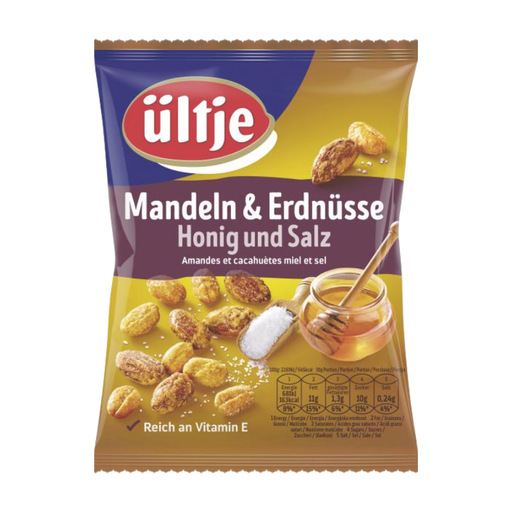
Why this product suits the profile: The 200-g pack combines almonds and peanuts with honey and salt flavouring. It is suitable for shoppers looking for a ready-seasoned snack rather than a plain nut mix.
The ingredients list clearly identifies sugar, honey, oil and salt. This makes it possible to assess the sweet-and-savoury recipe before buying.
33% almonds and 33% peanuts; resealable bag; 18g of protein per 100g according to the product information.
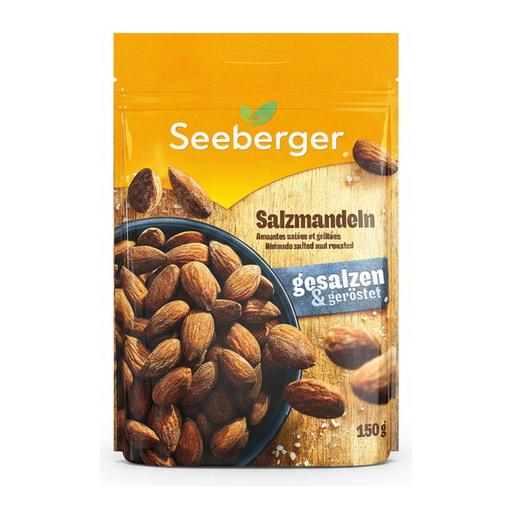
Why this product suits the profile: Whole almonds, sunflower oil and salt make up a straightforward ingredients list. This suits people who prefer a clearly defined, savoury nut snack.
This is not a sweet-coated or fruit mix. However, the salt content of 1g per 100g should still be considered when making your personal choice.
Whole almonds; 24g of protein per 100g according to the product information; resealable or airtight storage after opening.
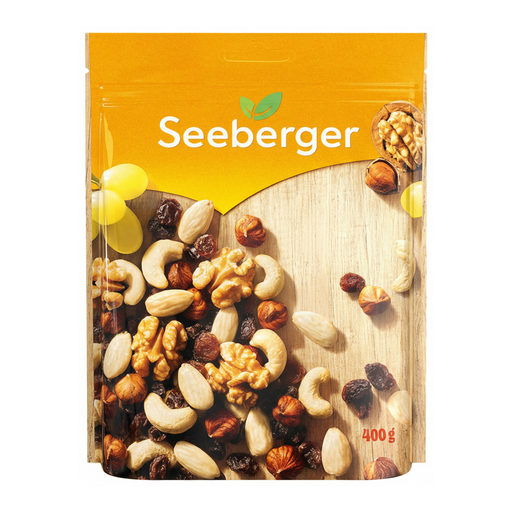
Why this product suits the profile: The 400-g pack is aimed at frequent consumers in the office, at home or on the go. It contains hazelnuts, almonds, cashews, walnuts and raisins.
The proportions of the nut kernel mix and raisins are stated. This allows shoppers to assess the fruity, sweet character in advance.
400-g pack; 57% nut kernel mix according to the product information; vegan and gluten-free according to the supplier.
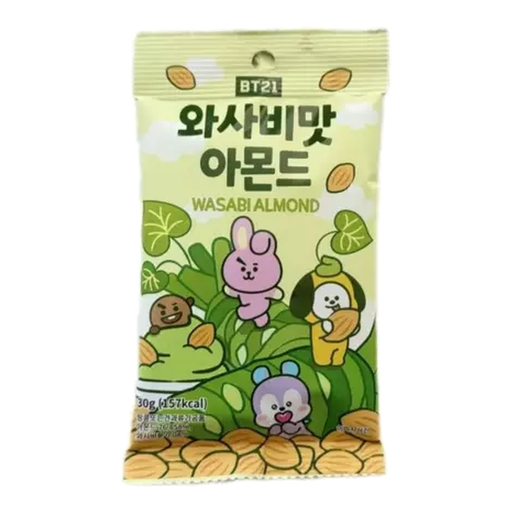
Why this product suits the profile: The 30-g portion is suitable for taking with you, giving as a gift or discovering Korean nut snacks. The wasabi flavour is a change from classic salted almonds.
The pack size helps prevent buying too much of a product you may not enjoy. The ingredients list includes wasabi powder, sugar, salt, milk and soya ingredients.
Korean snack in a 30-g format; 76.65% roasted almonds according to the product information; resealable storage after opening.
For vegan snacks with no added salt, blanched almonds or natural nut mixes are suitable options. When choosing a nut and fruit mix, shoppers should check the proportion of sweetened berries and fruit. If you need nuts for baking, salads or muesli, you can also choose between whole, blanched and ground almonds.
We have put together a complete, regularly updated list of products that fully meet these strict selection criteria and the safety regulations applicable in the EU.
This depends on the product, packaging and storage conditions. Nuts should be stored in a dry, cool place, protected from light and heat. A tightly sealed container is recommended after opening. The packaging provides the definitive best-before date for the specific product.
The terms are sometimes used interchangeably by retailers. Trail mix often consists of a combination of different nuts and raisins. A nut and fruit mix may also contain cranberries, cherries, papaya, mango or other dried fruit. The ingredients list shows the actual proportions.
Small, resealable packs are practical for taking with you. For the office or a larger household, 400- or 500-g packs may be more economical. Portion size, allergens, sugar and salt content, and the ability to store the nuts in a dry, airtight environment after opening remain the key considerations.