
Lieferung heute & morgen

Qualitätsgarantie

Willkommens-Angebote freischalten: KOSTENLOSE Lieferung | Bis zu 80 % RABATT | Kostenlose 30-Tage-JoyPlus-Testphase
App herunterladen
Whether it’s for a film night, study break, commute or party, anyone looking to buy nuts and snacks online will find a wide selection of roasted kernels, sweet specialities and international savoury snacks. Product images often look similar, but ingredients, salt content, serving size and packaging can vary considerably.
As a Joybuy Product Recommendation Officer, I assess the most important purchasing criteria objectively. This makes it easier to choose products based on how you actually intend to use them, rather than being guided solely by flavour claims or eye-catching packaging.
In processed snacks, sugar, salt, sweeteners, flavourings or coatings can make up a significant proportion of the product. That is why checking the ingredients list is more important than terms such as “crunchy”, “traditional” or “premium”.
For example, Jeden Tag Paprika Coated Crunchy Peanuts 200 g contain 46% peanuts, as well as wheat flour, sugar and salt. The paprika coating creates a particular flavour profile, but it also makes the product a seasoned ready-to-eat snack rather than a plain portion of peanuts.
A large bag is practical for sharing snacks, but for one person it may mean the product remains open for longer. Moisture affects the crunchiness of roasted peanuts, sunflower seeds and pistachios. For eating on the go, resealable or individually portioned packaging is usually easier to handle.
Peanuts, almonds, cashews, pistachios, pecans and pine nuts are among the ingredients for which allergen labelling should be checked particularly carefully. Traces may also be present as a result of cross-contact on the production line. The preparation method is relevant too: “roasted”, “salted”, “coated” and “dried” describe different product characteristics.
Ingredients are listed in descending order by weight. When buying a nut mix, it is therefore worth checking which nut actually makes up the largest proportion. With seasoned products, shoppers should also look out for sugar, salt, sweeteners and flavourings.
For households affected by allergies, complete labelling is essential. Statements such as “May contain traces of peanuts or other tree nuts” do not mean that the product was made in an allergen-free facility.
The per-100-gram information allows you to compare products directly. The following points are particularly relevant:
Pistachios, almonds, cashews and sunflower seeds naturally have different nutritional profiles. Seasoned or caramelised varieties may also contain added sugar or salt. An informed decision should therefore take the complete ingredients and nutrition tables into account.
Most products should be stored in a cool, dry place away from direct sunlight. After opening, resealing the packaging securely is recommended. With larger packs, an airtight container can help reduce contact with moisture.
If a snack contains an oxygen absorber, the small sachet must not be eaten. Nuts and seeds can also pose a choking hazard to young children. The relevant warnings on the packaging should be observed.
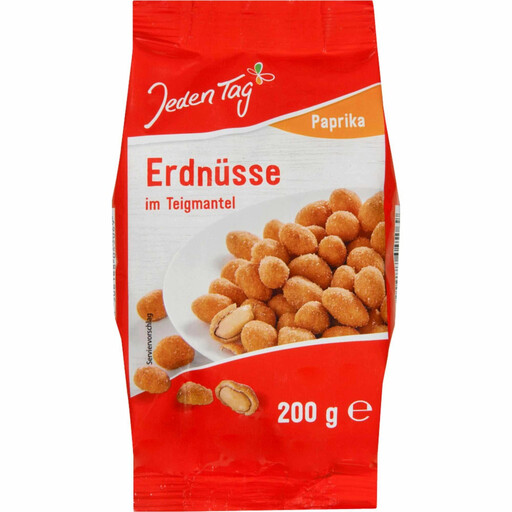
Why this product suits the profile: The 200-g pack provides a manageable amount for film nights, breaks or occasional sharing. The spicy paprika coating is aimed at shoppers looking for something other than plain nuts.
The ingredients list clearly states the 46% peanut content, coating ingredients and salt content of 2.8 g per 100 g.
Crunchy dough coating, paprika flavour, resealable 200-g bag and ready-to-eat convenience.
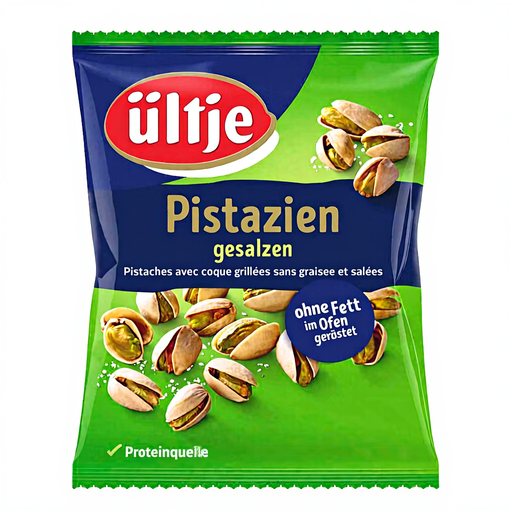
Why this product suits the profile: The pistachios are supplied in their shells and, according to the product information, roasted without oil. This makes them suitable for mindful snacking in controlled portions and for sharing.
The product information explicitly states the ingredients, potential allergen traces, salt content and storage instructions away from heat.
Only pistachios and salt as ingredients, 150-g pack, roasting without oil according to the product description, and the practical shell-in feature.
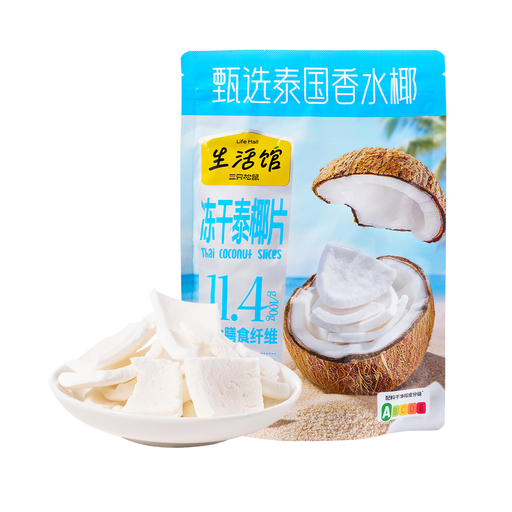
Why this product suits the profile: The light coconut chips work well as an Asian-inspired snack, a topping for muesli or desserts, or a crunchy alternative to traditional peanuts.
The composition is clearly stated as 97% coconut and 3% sugar. This allows you to assess the added sugar before buying.
100-g pack, freeze-dried texture according to the product information, 596 kcal and 18.2 g of sugar per 100 g.
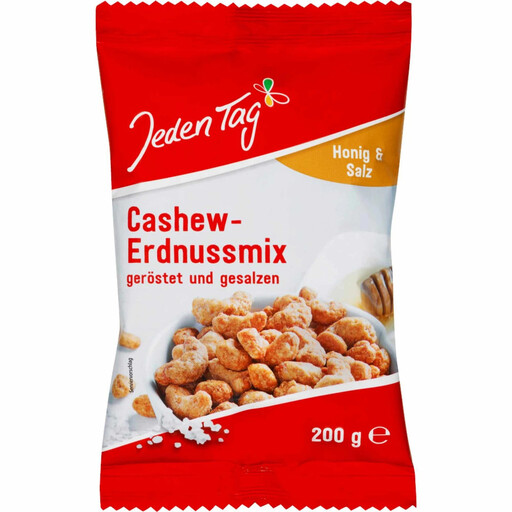
Why this product suits the profile: The combination of cashews and peanuts with honey and salt is intended for social occasions or as a topping for salads and desserts.
The mix lists cashew nuts at 33%, peanuts at 32% and honey at 3% separately. The sugar content is 36 g per 100 g.
200-g pack, roasted and caramelised ingredients according to the product description, suitable for eating straight away.
We have put together a complete, regularly updated list of products that fully meet these strict selection criteria and the safety regulations applicable in the EU.
Fans of classic savoury snacks can choose salted peanuts, roasted peanuts or unsalted sunflower seeds. If you are looking for international specialities, you can opt for dried coconut, coconut chips, chestnuts or seasoned sunflower seeds. Sweet and savoury snacks mainly differ in their coatings, added sugars and seasoning blends.
For cooking, raw almonds, pine nuts or peanuts with their skins are suitable choices. These products can be roasted, chopped or used as ingredients in sauces, salads and baked goods. Ready-to-eat snacks such as prepared chestnuts or flavoured kernels, on the other hand, require no additional preparation.
Small packs of around 80 to 150 grams are generally easier to carry as individual portions. For longer days, 200-g packs or resealable bags may be useful. Before buying, check the weight, closure and storage instructions.
The pack should be sealed as tightly as possible and stored in a cool, dry place. Heat, sunlight and moisture can affect product quality. An airtight container is useful for larger quantities. The best-before date on the packaging remains the key reference.
The ingredients list and allergen information must be read in full. In addition to the main ingredient, any warnings about possible traces from cross-contamination are relevant. If you are unsure, do not choose the product. Nuts and seeds can also pose a choking hazard to young children and should therefore only be given with particular care.