
Lieferung heute & morgen

Qualitätsgarantie

Willkommens-Angebote freischalten: KOSTENLOSE Lieferung | Bis zu 80 % RABATT | Kostenlose 30-Tage-JoyPlus-Testphase
App herunterladen
If you’re looking to buy office and household supplies online, you’ll quickly find a huge selection: sticky notes, stationery, napkins, disposable soup bowls, craft materials and tech gadgets often sit side by side. The real challenge isn’t finding them – it’s comparing them. Product images and marketing claims don’t always show which version is actually right for your daily life.
With memo pads, sticky paper or party napkins, it’s the pack contents that count. A single pad might seem good value at first glance, while several small packs can work out much more expensive per sheet. So always check the quantity, number of sheets and format together.
With biodegradable bowls, buyers should distinguish between a specific material listing and a general environmental claim. The product name might mention sugarcane material, for example. But that doesn’t automatically mean the product can go in your local food waste bin. What matters are the instructions on the packaging and product page, plus your local disposal rules.
With paper goods too, claims like FSC Mix, “recyclable” or “water-activated adhesive” need to be assessed differently. A certification or material description shouldn’t be taken as a blanket environmental benefit.
An e-book reader with a colour display might be great for comics, colour documents or Android apps. But if you only read black-and-white novels, you probably don’t need a camera or huge storage capacity. For devices with mobile connectivity, you should also check the supported frequency bands, SIM function, operating system and battery.
The format determines how practical the item is. An A6 notebook – roughly 10.5 × 14.8 cm – fits in most bags and is ideal for shopping lists, class notes or short journal entries. For more extensive note-taking, larger formats are more suitable.
For sticky notes and memo pads, 75 × 75 mm or 3 × 3 inches are common sizes. What matters is whether the adhesive sticks reliably to clean, dry surfaces and can be removed again. Manufacturer claims like “removable without residue” should be considered for your specific surface, as rough, damp or dusty conditions can affect performance.
For disposable soup bowls, capacity, heat resistance and leak-proof design are key. A 500 ml bowl works well for soup, stew or side dishes, as long as the product details cover the intended use. With hot food, the bowl should first be placed on a stable surface. The term “biodegradable” doesn’t automatically mean it can go in your home compost bin.
With party napkins, ply count, dimensions and quantity give you a better comparison than the design alone. Three-ply napkins measuring 33 × 33 cm are suitable for birthday tables, snacks and cake portions. But paper is still flammable, so keep it away from candles, barbecues and other heat sources.
With gel pens and flipchart markers, pay attention to tip width, ink base and surface. A flipchart marker with a wedge tip and 2–5 mm line width creates different stroke thicknesses on paper. Water-based ink tends to be less smelly, but it can still stain fabrics.
For creative work on dark paper, gel pens with opaque, white or metallic ink can be useful. For children, always follow the product’s age and safety warnings. Pen caps and small parts should be kept away from children under three years old.
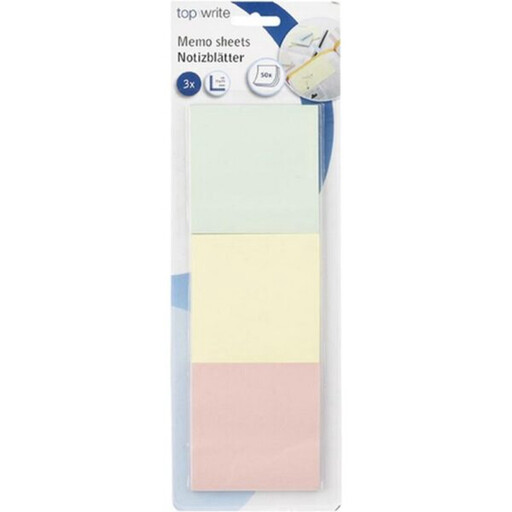
Why this product fits the profile: Three pads with 50 sheets each cover short reminders at home, school or the office.
The sheet count and number of pads are clearly stated, making it easy to compare quantities.
Three separate pads, white paper and an adhesive strip on the back, according to the product description.
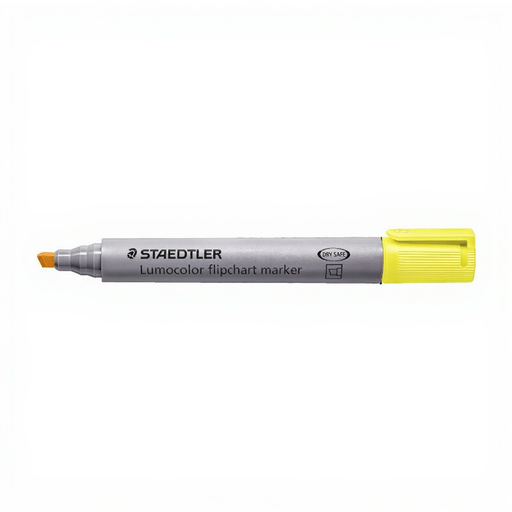
Why this product fits the profile: For teachers, meetings and presentations, a controllable line width on flipchart paper is essential.
The locked wedge tip is specified with a line width of 2–5 mm; the ink is water-based.
DRY-SAFE technology according to the product details, plus yellow ink with low odour intensity.
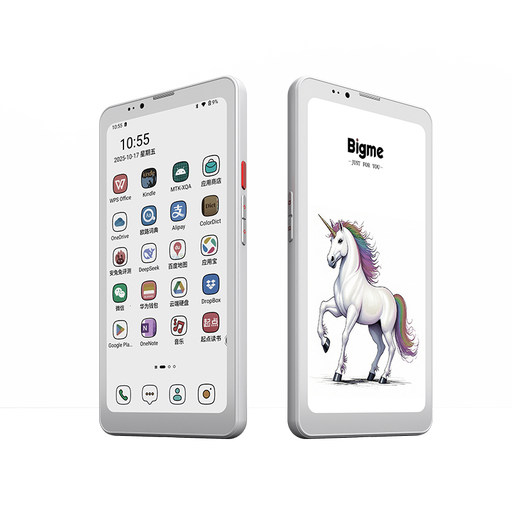
Why this product fits the profile: For users who want to combine reading, documents, colour content and mobile functions in one device.
Display type, resolution, storage, operating system and supported mobile bands are all clearly listed.
6.13-inch Kaleido 3 colour display, 8 GB RAM, 256 GB storage and Android 14 according to the product description.
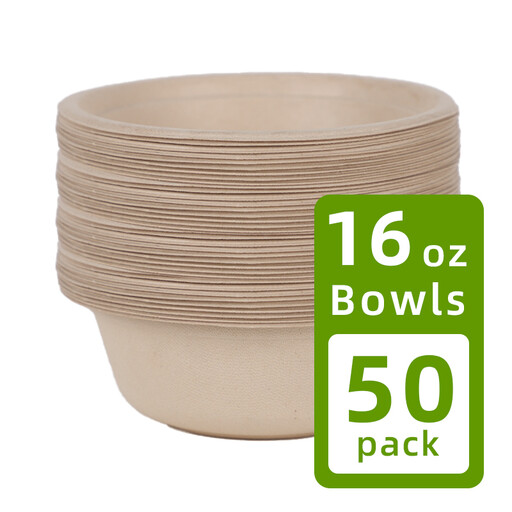
Why this product fits the profile: The pack of 50 bowls is designed for barbecues, outdoor dining and larger family celebrations.
Fill capacity, quantity and material are all stated, making it easier to plan per guest.
500 ml capacity and sugarcane material according to the product name; available in a natural colour.
For creative projects, coloured paper with a water-activated back is a great option – ideal for mosaics, paper cutting or school projects. For children’s parties, printed party napkins, kids’ party supplies and edible wafer paper in different flavours can be combined. With wafer paper, check for allergens like gluten, as well as sweeteners and storage instructions.
For the workplace, you could order an A6 notebook, sticky notes, gel pens and a printer with compatible sticker paper together. With sticker paper, also check compatibility with your specific mini printer and the roll width.
We’ve put together a full, regularly updated list of products that meet these strict selection criteria and all applicable EU safety regulations.
Start by comparing the price per item, sheet or roll. Then look at format, material, pack size and safety information. For tech products, also check compatibility, storage, connections and return policies.
Durability depends on storage and surface conditions. Dry, moderate temperatures and sealed packaging protect the paper and adhesive. Moisture, direct sunlight and dusty surfaces can affect the adhesive performance.
Beyond the purchase price, consider delivery costs, the quantity you need and, where relevant, disposal. For events, it’s wise to plan a realistic amount per person and check local disposal guidelines for the specific material.