
Lieferung heute & morgen

Qualitätsgarantie

Willkommens-Angebote freischalten: KOSTENLOSE Lieferung | Bis zu 80 % RABATT | Kostenlose 30-Tage-JoyPlus-Testphase
App herunterladen
Many of us know the craving for a quick yet authentic Asian lunch or snack. Time for elaborate cooking is often short, and the search for high-quality ready-made products can be overwhelming. Frozen rice balls, whether they're Japanese onigiri or Korean jumeokbap, offer a convenient solution. They are quick to prepare and bring the taste of Asia right to your kitchen.
My name is Joy, and as a Joybuy Product Recommendation Officer, my job is to provide you with clear, objective product information. This article is designed to help you make an informed decision when you want to buy onigiri, introducing a selection of products known for their specific qualities and flavors.
Before you choose a product, a few criteria can make the selection process easier. Here are three points to consider when searching for the right rice balls for you.
Although both are known as Japanese rice balls or Korean rice balls, there are subtle differences.
The choice depends on your personal preference: Do you prefer a concentrated filling or a uniformly seasoned rice mixture?
The biggest advantage of frozen rice balls is their quick and easy preparation. Most products are designed for the microwave and are ready to serve in just a few minutes. This makes them an ideal option for a quick Asian lunch at the office or at home. Before buying, check the preparation instructions on the packaging to ensure they fit into your daily routine.
The variety of fillings is vast, ranging from classic options like teriyaki chicken to savory Korean flavors like bulgogi or bibimbap. A look at the ingredients list provides information on the exact composition, nutritional value, and potential allergens. Brands like Bibigo, for example, are known for their authentic Korean recipes, making them an excellent choice for fans of the cuisine.
Here is a detailed look at three products from our range. This selection is based on different flavor profiles and formats to cater to various preferences.
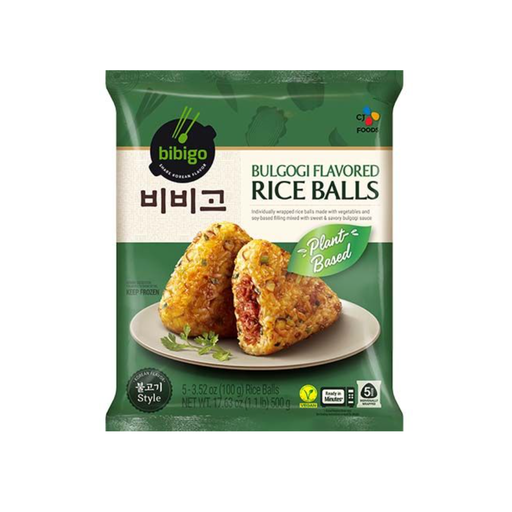
Why It Stands Out: These Korean rice balls from Bibigo deliver the popular flavor of bulgogi in a convenient format. The filling consists of marinated beef, onions, and king oyster mushrooms, seasoned with an authentic bulgogi marinade. The ingredients are mixed directly into the rice, which is typical for jumeokbap and ensures a consistently flavorful experience.
Pros:
Who It's For: This product is aimed at lovers of Korean cuisine who appreciate the taste of bulgogi. It's a great choice for anyone looking for a filling, protein-rich Asian snack or a small meal.

Why It Stands Out: This product from Freshasia is a classic Japanese rice ball with a teriyaki chicken filling. Its triangular shape and central filling are true to the traditional onigiri style. The sweet and savory teriyaki sauce is one of the most popular flavors, offering a familiar and approachable introduction to the world of onigiri.
Pros:
Who It's For: Ideal for individuals looking for a simple and quick meal. It's also a great option for those who are looking to buy onigiri for the first time and want to start with a familiar flavor.
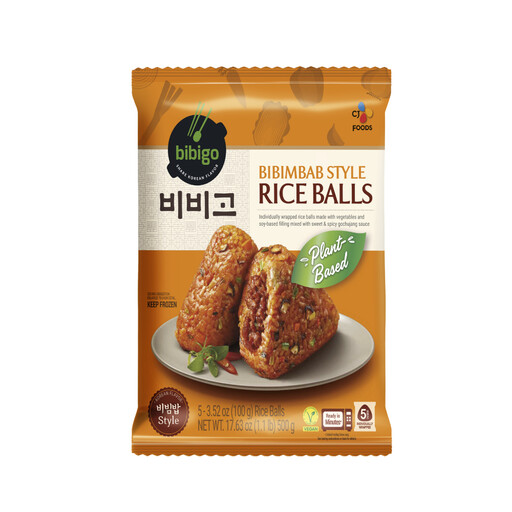
Why It Stands Out: This version of Bibigo rice balls is inspired by the iconic Korean dish, bibimbap. The rice mixture contains a variety of vegetables like shiitake mushrooms, zucchini, carrots, and bean sprouts. It's all seasoned with a sauce based on red chili paste (gochujang), which provides a mild heat and complex flavor.
Pros:
Who It's For: This product is an excellent choice for vegetarians and anyone looking for a vegetable-rich alternative. It appeals to fans of bibimbap who want a quick and easy version for everyday enjoyment.
Is your favorite flavor not listed, or would you like to compare more brands and varieties? In our frozen rice ball category, you'll find a wider selection of products that might suit your needs.
? Discover our entire range of rice balls here
1. How do you prepare frozen onigiri? The most common method is to use the microwave. Typically, you open one corner of the packaging slightly and heat the rice ball for a few minutes. Please refer to the instructions on the product packaging for the exact time and power settings, as these can vary by manufacturer.
2. What is the difference between onigiri and jumeokbap? The main difference lies in their preparation and origin. Onigiri is a Japanese rice ball where the filling is typically placed inside the center of the rice. Jumeokbap is the Korean version, where ingredients like vegetables, meat, and seasonings are mixed directly with the rice before it is shaped into a ball.
3. How long do frozen rice balls last? When stored consistently at -18°C, frozen rice balls will last until the printed best-before date. Once thawed, they should not be refrozen and should be consumed according to the manufacturer's instructions, usually within one day.