
Lieferung heute & morgen

Qualitätsgarantie

Willkommens-Angebote freischalten: KOSTENLOSE Lieferung | Bis zu 80 % RABATT | Kostenlose 30-Tage-JoyPlus-Testphase
App herunterladen
The search for diverse and nutritious side dishes is leading many people away from classic options like potatoes or white rice. If you're looking to buy organic grains, you'll often find yourself facing a shelf full of possibilities: bulgur, millet, polenta, quinoa, and many more. While this variety is enriching, it can also be overwhelming.
This article serves as your guide. It introduces a selection of high-quality organic grain products and provides objective criteria to help you with your purchasing decision. Our goal is to give you a clear foundation for finding the right vegan staples for your kitchen.
To make an informed decision, a few key aspects are helpful. The following points offer a practical guide for your shopping.
The green EU organic logo indicates that a product has been produced according to EU regulations for organic farming. This includes the prohibition of synthetic chemical pesticides and artificial fertilisers. Some brands, like Alnatura grains, go a step further by partnering with farming associations such as Demeter, which follow even stricter guidelines. Look for these seals if you value specific cultivation standards.
Each grain has unique properties that make it particularly suitable for certain types of preparation.
For people with gluten intolerance or coeliac disease, this distinction is essential.
Based on objective product features like ingredients, preparation method, and organic quality, we have curated a selection of grain products that will be an asset to any pantry.
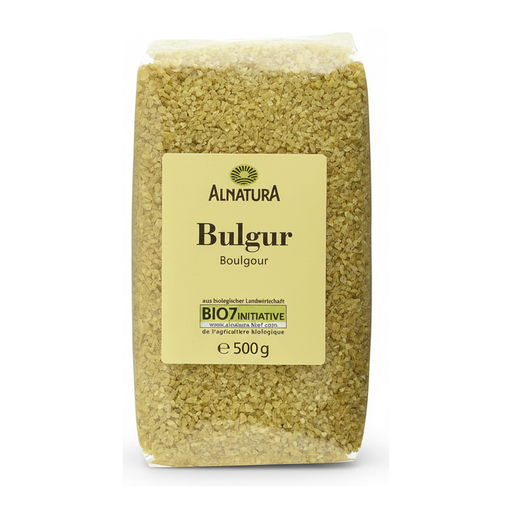
Why It Stands Out: This bulgur consists of pre-cooked and coarsely cracked durum wheat from organic farming. Its key feature is the short cooking time of only about 10 minutes, making it a convenient ingredient for quick meals.
Advantages:
Who It's For: Individuals looking for a quick and simple base for quick vegetarian meals and who appreciate Middle Eastern cuisine.
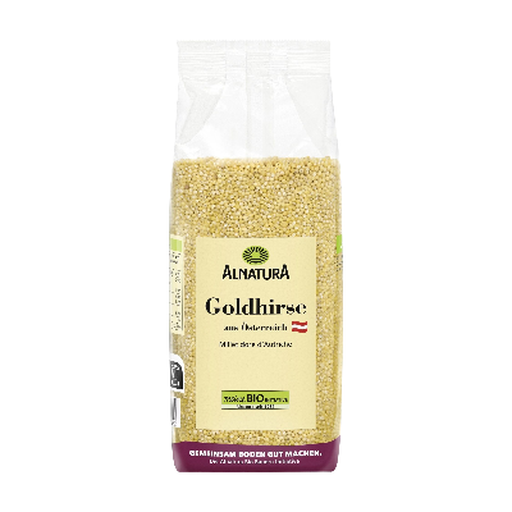
Why It Stands Out: Alnatura's golden millet is distinguished by its nutty flavour and is naturally gluten-free. It can be used for both savoury and sweet dishes, making it a versatile staple.
Advantages:
Who It's For: Consumers looking for a gluten-free rice alternative and who want a grain suitable for a wide range of recipes, from breakfast to dinner.
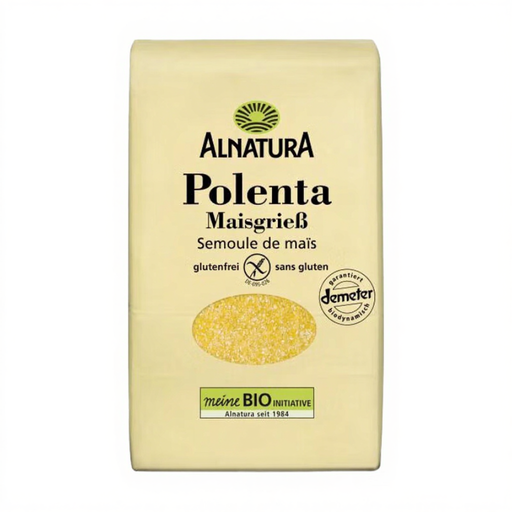
Why It Stands Out: This cornmeal comes from biodynamic agriculture (Demeter certified). It allows you to prepare authentic, creamy polenta, as known in Italian cuisine.
Advantages:
Who It's For: Fans of traditional Italian cuisine and anyone who wants to prepare a warming, creamy, and healthy side dish as an alternative to mashed potatoes or pasta.
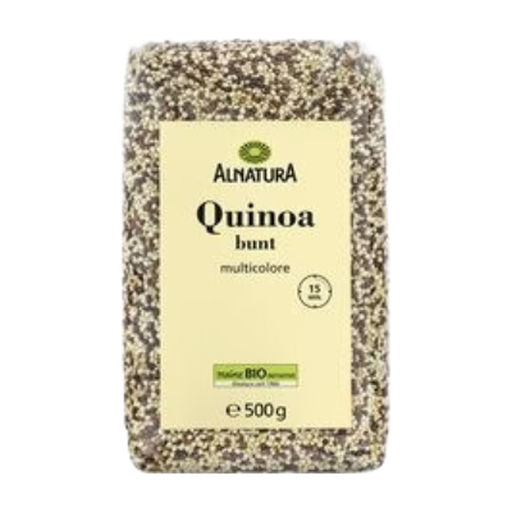
Why It Stands Out: The blend of 60% white, 25% red, and 15% black quinoa provides an appealing look and an interesting texture. Organic quinoa is a pseudocereal known for its nutritional profile.
Advantages:
Who It's For: Health-conscious consumers looking for a protein-rich, gluten-free, and visually attractive base for salads, bowls, and side dishes.
The world of plant-based pantry items is vast. In addition to grains and pseudocereals, legumes like lentils, beans, and chickpeas are an excellent foundation for a balanced and varied diet. They provide valuable nutrients and can be used in countless ways in the kitchen.
Discover our diverse selection of organic legumes and find the perfect addition to your pantry.
Although both are made from durum wheat, they differ in their production process. Bulgur is steamed, dried, and coarsely cracked durum wheat. Couscous, on the other hand, is durum wheat semolina rolled into tiny pellets that only need to be steeped in hot water. Bulgur has a chewier texture and a longer cooking time.
Botanically, quinoa is not a grain but a so-called pseudocereal. It belongs to the same plant family as spinach and beetroot (the amaranth family). Since its seeds are used similarly to cereal grains and have a comparable nutritional profile, it is treated like a grain in the kitchen.
Organic grains should always be stored in a cool, dry, and dark place. After opening the package, it is advisable to transfer the contents into an airtight container. This protects the product from moisture, pest infestation, and loss of flavour, thus ensuring long-lasting quality.