
Lieferung heute & morgen

Qualitätsgarantie

Willkommens-Angebote freischalten: KOSTENLOSE Lieferung | Bis zu 80 % RABATT | Kostenlose 30-Tage-JoyPlus-Testphase
App herunterladen
If you’re looking to buy organic tea, you’ll find a huge selection of herbal blends, black tea, green tea and matcha online. However, the packaging doesn’t always tell the full story. Terms like “natural”, “traditional” or “premium” on their own say very little about the ingredients, caffeine content and how to brew it.
This shopping guide will help you check the most important details and make a choice that suits your drinking habits, taste preferences and household size.
An organic claim should be backed up by a clear ingredients list and a reference to controlled organic farming. With blends, it’s worth looking closely: not every ingredient will be present in the same proportion. For example, organic herbal tea can contain spices, liquorice, flavourings or flowers.
If you have allergies or intolerances, you should also check the allergen labelling. Yogi Tea Basische Kräuter Herbal Tea Organic, for instance, contains oat grass and is therefore labelled as containing gluten.
Black tea, green tea, matcha and East Frisian tea usually contain caffeine. The exact amount depends on the variety, dosage and steeping time. A caffeine-free tea, on the other hand, is usually a herbal or fruit tea; this should be clearly stated on the product.
Even an organic black tea like Earl Grey, Darjeeling or East Frisian tea isn’t automatically suitable for late in the evening. If you are sensitive, the ingredients and product information are what really matter.
Tea in teabags is pre-portioned and convenient for the office, travel or a single cup. Loose tea, on the other hand, allows you to adjust the dosage more freely and is often designed for several pots when bought in larger quantities. A pack of 20 teabags and a 500-gram pack can’t be compared on price alone.
Look out for:
With Teekanne Earl Grey Organic, the blend consists of 95% organic black tea and bergamot oil according to the product information. Teekanne Darjeeling Organic is described as 100% organic black tea. Both products are sold in individual teabags.
The type of tea determines the basic character:
A product marketed as an “evening tea” or “wellness tea” isn’t automatically suitable for everyone. The ingredients are what really count. If the blend contains liquorice root, the relevant safety advice should be followed. For people with high blood pressure, the product information for some Yogi Tea blends advises against excessive consumption.
Before you buy, check the number of teabags or the net weight, as well as the recommended steeping time. Examples from the selection:
Always store tea in a dry, dark place away from strong odours. Once opened, the packaging should be resealed tightly.
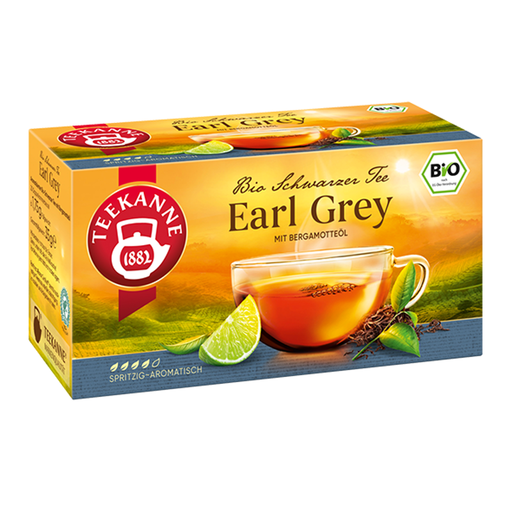
Why this product fits the profile: The 20 individually wrapped double-chamber teabags are designed for quick brewing at home or in the office. Bergamot oil complements the organic black tea flavour.
The ingredients list clearly states the 95% organic black tea content and the bergamot oil used. This makes it easier to understand the flavoured variety.
20 individually wrapped teabags; classic Earl Grey combination with bergamot oil.
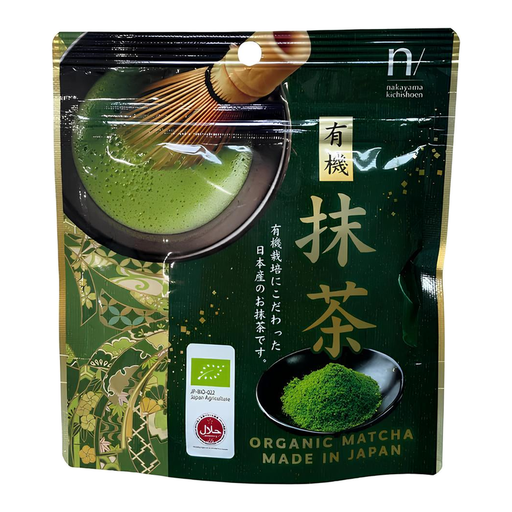
Why this product fits the profile: According to the product information, the powder is made from 100% organic green tea or tencha and comes from Japan. It can be used traditionally, as a latte or in recipes.
The product details state the origin, net weight and ingredients. This means the powder won’t be confused with flavoured green tea or a ready-to-drink beverage.
30 g pack; versatile use in water, lattes, smoothies or baking recipes.
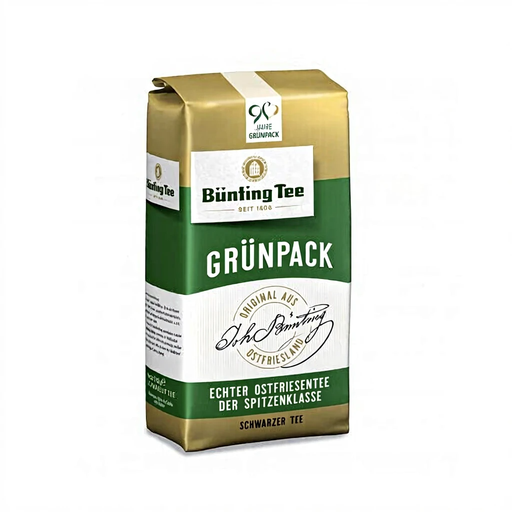
Why this product fits the profile: The 500 g pack is aimed at households that regularly brew strong East Frisian tea and want to control the dosage themselves.
The ingredients are listed as 100% black tea. The net weight, dosage and steeping time help you realistically assess the pack size and actual consumption.
500 g loose tea; Assam-oriented blend for a strong cup with Kluntje and cream.
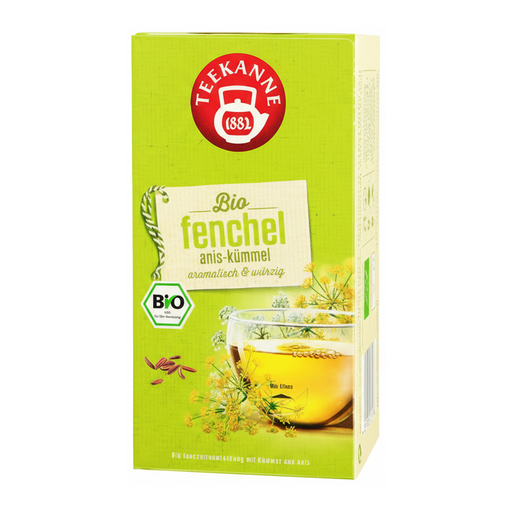
Why this product fits the profile: The clearly named blend of fennel, caraway and aniseed is caffeine-free according to the product information and comes in 18 individual portions.
The ingredient proportions of 60% fennel, 30% caraway and 10% aniseed are transparently stated. This makes it easier to compare with blends that are less clearly labelled.
Caffeine-free herbal blend; individually wrapped teabags with 2.5 g content.
We’ve put together a full, regularly updated list of products that fully meet these strict selection criteria and the safety regulations in force in the EU.
Herbal tea made from ingredients like chamomile, fennel, aniseed, caraway or peppermint is normally caffeine-free. Nevertheless, check the specific product description. Green tea, black tea, Darjeeling, Earl Grey and matcha, on the other hand, usually contain caffeine.
That depends on the pack size, dosage and consumption. Large packs of loose tea can be economical if you drink it regularly, but they require a strainer or a teapot. Teabags contain fixed portions and reduce the effort for single cups. For a fair comparison, work out the price per 100 g or per cup.
The best-before date is on the packaging. Dry tea only stays aromatic if it is protected from moisture, light, heat and foreign odours. After opening, a tightly sealed container is recommended. If the tea has an unusual smell, feels damp or the packaging is damaged, the product should not be used.