
Lieferung heute & morgen

Qualitätsgarantie

Willkommens-Angebote freischalten: KOSTENLOSE Lieferung | Bis zu 80 % RABATT | Kostenlose 30-Tage-JoyPlus-Testphase
App herunterladen
If you want to buy organic wine online, you’ll find a huge selection from Germany, Italy, France, Spain and Chile. But terms like “organic”, “vegan”, “dry” or “sustainable” each describe different qualities. If you choose solely by the label or the bottle price, you might end up with a wine that doesn’t suit the occasion, or you could order too much.
This guide shows you which details really matter when buying online, and which products suit different drinking habits.
An organic wine comes from certified organic farming. However, that doesn’t automatically mean it has been made using vegan methods. Animal-based fining agents can be used during winemaking. If you’re looking for a vegan organic wine, make sure to check for an explicit vegan suitability claim or relevant information from the producer.
The taste description dry mainly refers to the residual sugar content, not the acidity or intensity of the wine. A dry Riesling can therefore taste noticeably fresher than a dry Chardonnay. A semi-dry organic wine contains more residual sugar and can therefore seem rounder or more fruit-forward.
Many offers come as a wine case 6 x 0.75 l. That equals 4.5 litres in total, or six bottles. For a fair comparison, divide the total price by six and also factor in delivery costs, shipping terms and how long you plan to store it.
Look for a traceable organic label, such as an EU control number or a recognised organic seal. The origin influences the style, grape variety and food pairing:
Origin alone is not a guarantee of quality. However, it does help you identify the expected wine style and the appropriate grape variety.
Start by choosing according to the planned occasion:
You should also check the alcohol content and serving temperature. The selection includes wines with around 11 to 14% ABV. White and rosé wines are usually served chilled, while a full-bodied red wine needs a higher drinking temperature.
Even organic wine can contain additives. Sulphites or sulphur dioxide must usually be declared as an allergen. So check the ingredients and allergen information on the product page, especially if you have known intolerances. Nutritional information can vary in detail from product to product.
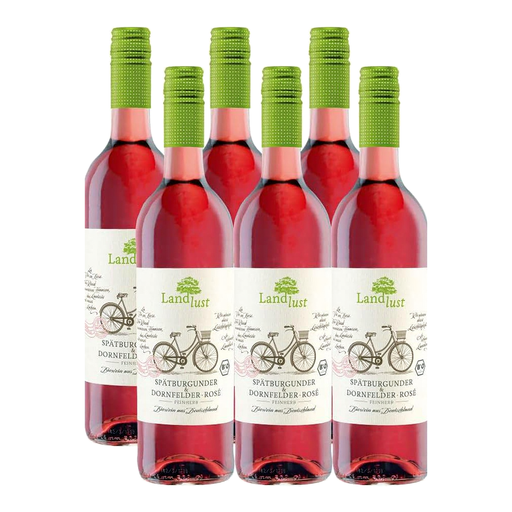
Why this product suits the profile: This semi-dry rosé case from Rheinhessen offers six bottles for private gatherings, light meals or stocking up. The blend of Pinot Noir and Dornfelder is described with fruity strawberry and raspberry aromas.
The flavour profile, bottle quantity, alcohol content of 11% ABV and serving temperature of 10–12°C are all clearly stated. The vegan suitability is explicitly indicated.
Organic rosé from Germany, 6 x 0.75 l, labelled vegan and versatile with antipasti, fish, salad or poultry.
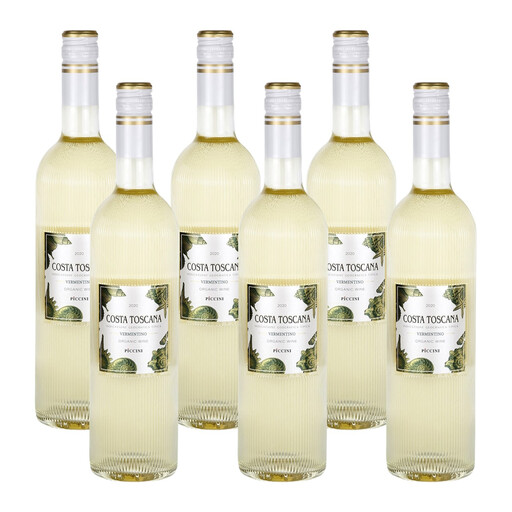
Why this product suits the profile: This dry Italian organic white wine from Tuscany is aimed at buyers who consider grape variety, designation of origin and production details in their decision.
The product details list Vermentino, the Costa Toscana IGT region, dry taste, 12.5% ABV and sulphites as an allergen.
Dry white wine in a 6-bottle case with a stated three-month maturation on the fine lees, and a suitable pairing with light starters and seafood.
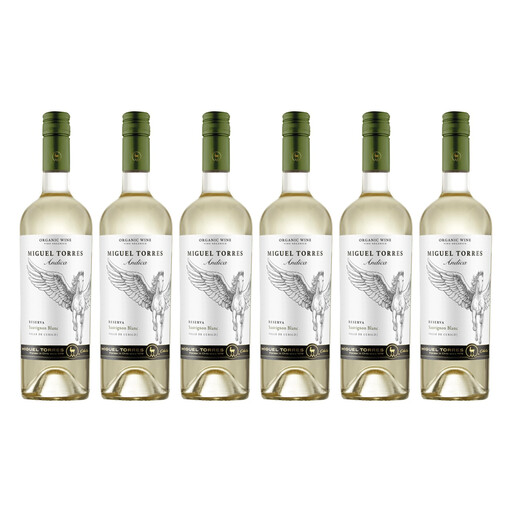
Why this product suits the profile: This Chilean organic white wine case is ideal for households that regularly serve fish, seafood or light dishes and need six bottles at once.
Origin, Valle Central, grape variety Sauvignon Blanc, organic control number CL-BIO-001, 13.5% ABV and serving temperature of 8–10°C are all stated.
6 x 0.75 l, dry white wine, screw cap and a stated pairing with fish and seafood.
We’ve put together a full, regularly updated list of products that fully meet these strict selection criteria and the safety regulations in force in the EU.
Store unopened bottles in a cool, dry place away from direct sunlight. Always check the specific serving temperature on the product page or label. Once opened, wine should be resealed and refrigerated. The recommended consumption time varies by product; three to five days is often suggested.
Alcoholic drinks are intended for adults only. Alcohol should be avoided during pregnancy. Also note that an organic seal does not indicate a lower alcohol content or a particular taste preference.
No. Organic farming and vegan winemaking are different criteria. Check whether the wine in question is explicitly labelled as vegan. For all products, you should also pay attention to the allergen information, particularly regarding sulphites.
For a private stock or a party, a 6-bottle case of 4.5 litres can be practical. For a first taste test, a single 0.75-litre bottle is more sensible, if available. The deciding factors are the occasion, storage space and the expected number of guests.
A dry organic wine often pairs well with savoury dishes, fish, seafood or cheese. A semi-dry organic wine can work with mild, spicy or fruity dishes. The grape variety, acidity, alcohol content and personal preference should all be considered together.