
Lieferung heute & morgen

Qualitätsgarantie

Willkommens-Angebote freischalten: KOSTENLOSE Lieferung | Bis zu 80 % RABATT | Kostenlose 30-Tage-JoyPlus-Testphase
App herunterladen
If you're looking to buy organic wine online, you'll find a vast selection of grape varieties, countries of origin and bottle formats. However, terms like 'natural', 'sustainable' or 'vegan' are not always the same as an officially recognised organic certification. What's more, taste descriptions such as dry or off-dry are often overlooked when shopping online.
The following criteria will help you cut through the marketing claims and choose a wine that suits your occasion, menu and budget.
Organic wine refers to production that meets current ecological regulations. A vegan wine, on the other hand, is made without animal-derived fining agents. A product can therefore be both organic and vegan, but it doesn't automatically have to be both.
When it comes to sustainability claims, it's worth looking at the specifics: certification, control number, origin, packaging and producer information are far more meaningful than vague marketing slogans. When buying vegan wine, shoppers should check for clear labelling in the product details.
Taste and alcohol content are two different things. A dry organic wine can, for example, contain 12.5% or 13.5% ABV. So both the sweetness level and the alcohol content are relevant when making your choice.
If you prefer fresh, less sweet-tasting wines, you can choose a dry organic wine. An off-dry organic wine contains more residual sugar and can therefore taste fruitier and more approachable. The right choice depends on your personal taste and what you're pairing it with.
An organic wine in a 6-bottle pack can be ideal for parties, regular dinners or stocking up. For occasional wine drinkers, however, a larger format might be impractical. Once opened, wine should be consumed within a few days, depending on the variety and storage conditions.
Before you buy, check the number of bottles, the individual volume and the storage instructions. Six bottles of 0.75 litres each add up to 4.5 litres in total.
Look for clear labelling such as the EU organic logo, the inspection body or control number. For imported wines, national control codes may be listed, for example CL-BIO-001 for a Chilean product or FR-BIO-01 for a French wine.
If you want to avoid animal-derived fining agents, you'll also need the vegan label. Sulphites are often listed as an allergen in wine and can also be present in organic products. Always check the ingredients and allergen list before buying.
The grape variety gives you a first indication of the style and possible food pairings:
You should also pay attention to % ABV, the sweetness level and the recommended serving temperature. White wine is often served chilled, while a full-bodied organic red wine can be better appreciated at moderate room temperature.
The origin can give clues about the style and production conditions. The range includes wine from Italy, wine from Germany, wine from France and wine from Chile, among others.
The producer's food recommendation is a useful guide, but it's not a strict rule.
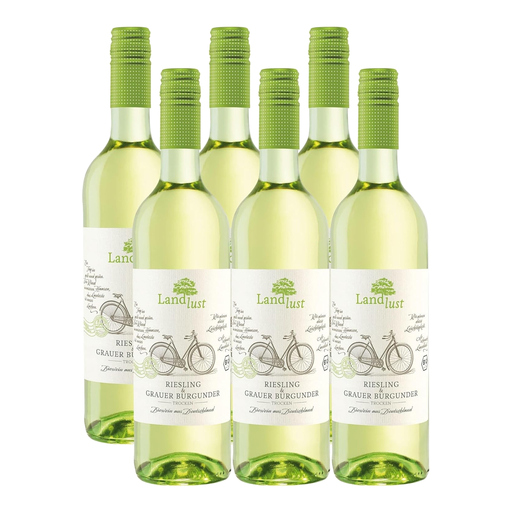
Why this product fits the profile: The 6-bottle pack with 4.5 litres is ideal for regular meals, guests or planned stocking up. This dry white wine is described as organic-certified and vegan, with 12% ABV.
The organic, vegan and format details are clearly stated in the product information. This makes it easier to match your selection with your actual consumption.
6 x 0.75 litres, dry taste profile, vegan and organic labelling, plus food pairing suggestions for cheese, fish, pasta and salads.
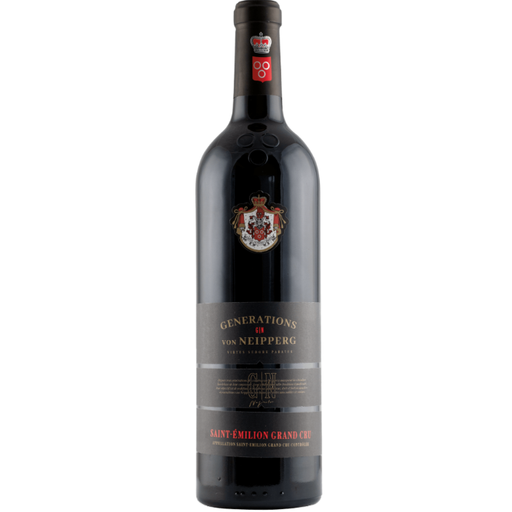
Why this product fits the profile: The single 0.75-litre bottle from Saint-Émilion in France is perfect for a special dinner or a targeted purchase. It's described as dry and velvety in style, a blend of Cabernet Franc and Merlot, with 13% ABV.
The product description lists the origin, grape variety proportions, alcohol content, style and serving temperature. This makes for an informed choice rather than one based purely on the label or a buzzword.
French origin, dry blend of Cabernet Franc and Merlot, 13% ABV and a recommended serving temperature of 18 °C.
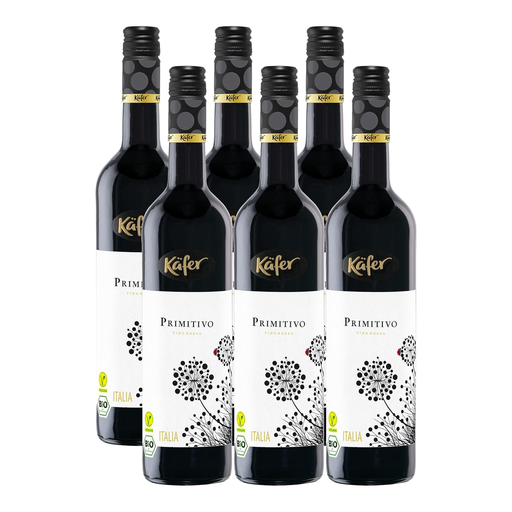
Why this product fits the profile: This Italian organic red wine from Apulia is aimed at buyers looking for a dry, vegan Primitivo for pasta, hearty dishes or regular stocking up.
The details list the grape variety, origin, organic and vegan status, and the 6-bottle format. This means the key purchasing parameters can be checked before ordering.
100% Primitivo, dry, organic and vegan, 6 x 0.75 litres, plus Italian origin from Apulia.
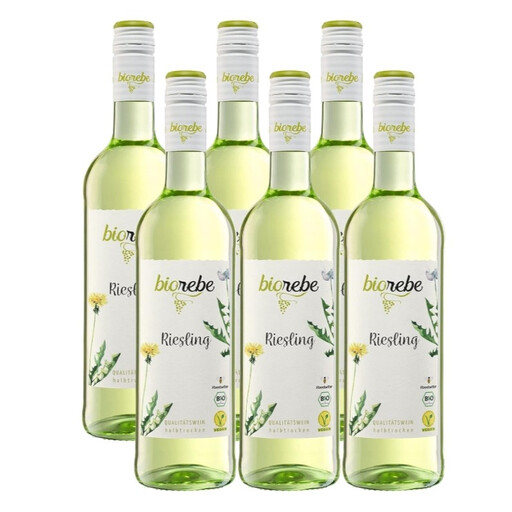
Why this product fits the profile: The off-dry style with 11.5% ABV is ideal for buyers who prefer fruit-forward white wines for light dishes, spicy food or social gatherings.
The product data clearly distinguishes between off-dry, vegan, organic and alcohol content. This means the sweetness level isn't confused with a low alcohol content.
Riesling from Germany, off-dry, organic and vegan, 6 x 0.75 litres, plus helpful pairing notes for fish, mild cheese and Asian cuisine.
We've put together a full, regularly updated list of products that meet these strict selection criteria and all applicable EU safety regulations.
Look for the explicit 'vegan' label and check the organic certification details. You should also review the ingredients and allergen information. Sulphites can be present regardless of whether the wine is vegan or organic.
Unopened bottles should be stored in a cool, dry place away from direct light. Once opened, white wine should be kept in the fridge. The specific consumption period can vary depending on the product; always follow the instructions on the packaging.
That depends on the total price, the delivery costs and the price per 0.75-litre bottle. So don't just compare the pack price; work out the individual bottle cost. For regular consumption or events, a 6-bottle pack can be more practical than several single orders.