
Lieferung heute & morgen

Qualitätsgarantie

Willkommens-Angebote freischalten: KOSTENLOSE Lieferung | Bis zu 80 % RABATT | Kostenlose 30-Tage-JoyPlus-Testphase
App herunterladen
If you’re looking to buy peas, you’ll find much more than one variety in a jar online. The options include green peas, organic peas, frozen peas, dried peas, yellow split peas and seasoned pea snacks. They differ not only in flavour, but also in preparation time, ingredients, pack size and storage requirements.
To avoid buying products that don’t live up to their claims or aren’t practical for your needs, it’s worth checking a few key points.
Peas are versatile pulses. However, additional ingredients can significantly change the nature of processed products. Tinned peas often contain water and salt, while snacks may also contain oil, sugar, spices or flavour enhancers.
So check the following:
A high protein content alone doesn’t tell you whether a product suits your eating habits. With seasoned products, you should also distinguish between the nutritional values of the snack and those of unprocessed peas.
Tinned or jarred peas are already cooked, making them a handy choice for quick sides, salads and soups. Frozen peas usually need only brief heating, but must be kept frozen at all times. Dried peas take up little space and keep for a long time, but depending on the variety, they need considerably more preparation.
If you’re after a quick meal, you may find dried peas inconvenient. On the other hand, if you’re stocking up, ready-cooked options often cost more because of the extra processing and the water in the pack.
A low price per pack isn’t necessarily good value if you’re left with a lot of food after opening it. For tinned products, manufacturers usually recommend refrigerating the contents after opening and using them within a few days. As a rule, frozen products should not be refrozen once thawed.
So check the net weight, drained weight, best-before date and storage instructions. If you’re short on space, several smaller packs may be more practical than one large pack.
Choose a format that fits your routine:
For dried products, the cooking instructions are key. For example, Müller's Mühle Green Peas recommends one part peas to three parts water and a cooking time of around two hours; soaking can reduce the cooking time. According to the product information, split green peas usually soften in around 45 to 60 minutes.
Always compare the figures per 100 grams. This makes it easier to assess tinned, frozen and snack products side by side. A simple tin containing peas, water and salt is very different from an oil-seasoned snack.
For example, the stated nutritional values for Bonduelle Organic Extra Fine Tender Peas are 77 kcal, 5.3 grams of protein, 6.6 grams of fibre and 0.74 grams of salt per 100 grams. Gan Yuan Green Peas Original Flavour, by comparison, contains 528 kcal, 33.5 grams of fat, 14.8 grams of protein and 1.9 grams of salt per 100 grams. Both products are made from peas, but they’re intended for different uses.
For organic peas, check for the organic certification logo and inspection body code on the packaging. Alnatura Organic Extra Fine Peas is labelled as an organic product according to the product information and contains peas, water and sea salt.
Processed pulses may also carry warnings about possible traces of cereals, soya or mustard. This information is particularly important if you need to take allergies or intolerances into account. Always follow the information on the packaging, as it takes precedence over general product descriptions.
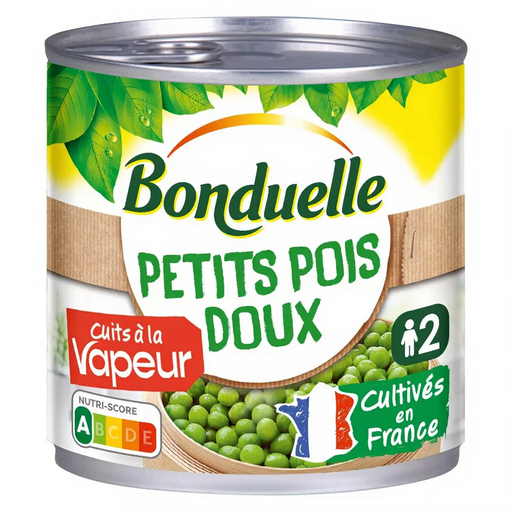
Why this product suits this shopper: These cooked young peas are ideal for sides, salads and quick hot meals. The pack size suits smaller households or individual meals.
The ingredients list is simple: peas, water and salt. It’s easy to see how the peas have been processed.
Ready to eat, suitable for storage at room temperature and, according to the product information, contains no added sugar, flavourings or preservatives.
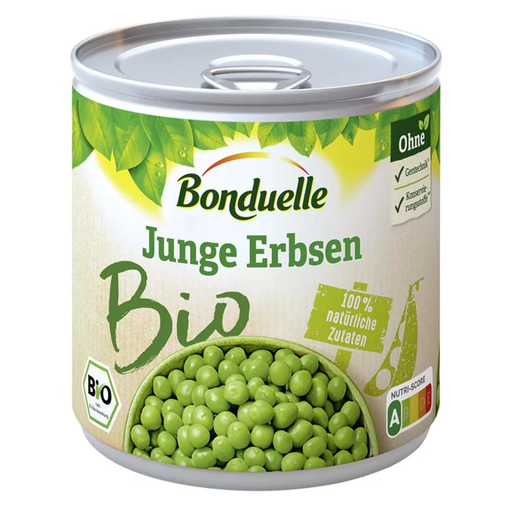
Why this product suits this shopper: Its organic credentials, fine grade and small pack size make it a good fit for shoppers who pay closer attention to ingredients and origin.
The product information lists peas from certified organic farming, as well as water and salt. This makes it easier to compare ingredients.
Certified organic according to the product information, ready to eat and suitable for salads, soups, spreads or sides.
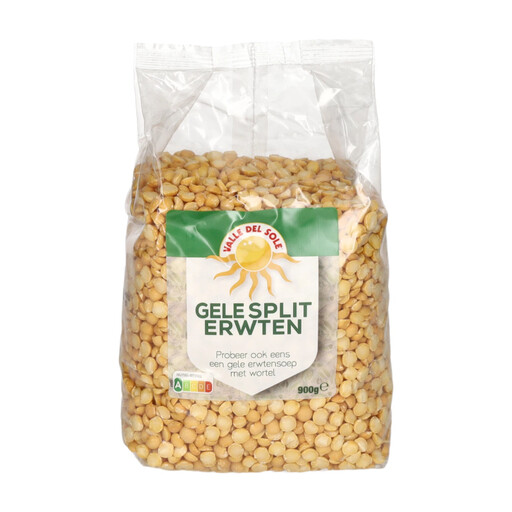
Why this product suits this shopper: This large pack is aimed at households that regularly make soups, stews or vegetarian dishes with yellow split peas.
The ingredients are listed as 100% polished yellow split peas. There’s no seasoning to limit how you can use them.
900-gram pack, neutral flavour and, according to the product information, 21 grams of protein and 23 grams of fibre per 100 grams.
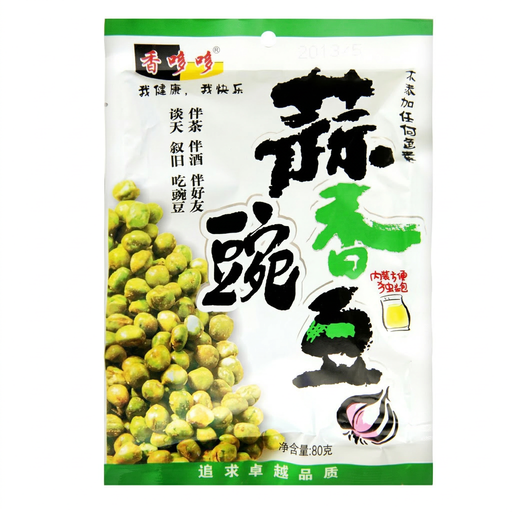
Why this product suits this shopper: This ready-to-eat snack combines roasted green peas with garlic seasoning. It’s ideal for breaks, lunchboxes or sharing with others.
The nutritional information makes it clear that this is a seasoned snack, not a simple vegetable side.
Crunchy texture, 80-gram pack and, according to the product information, 17.7 grams of protein per 100 grams.
We’ve put together a complete, regularly updated list of products that meet these strict selection criteria and the safety regulations in force in the EU.
If you’d like to order vegan pulses online, you can add chickpeas or beans to your shop. Alnatura Organic Steamed Chickpeas 330g are pre-cooked and, according to the product information, suitable for hummus, falafel, salads, soups and stews. Chickpeas have a firmer, slightly nutty texture and offer more ways to cook beyond classic pea dishes.
Green or yellow split peas are another option for soups and creamy stews. When comparing products, check the stated cooking time, pack size and any warnings about possible traces. This makes it easier to choose a range that suits your recipes, household size and storage needs.
It depends on how you plan to use them. Frozen peas need to be kept at a consistently low temperature, but you can usually take out just the amount you need. Unopened tins or jars of peas can be stored at room temperature and the contents are already cooked. Once opened, they need to be refrigerated and used soon.
Cooking time depends on the variety and how the peas have been processed. Whole dried peas may take around two hours, according to product information. Split peas often soften in about 45 to 60 minutes. Soaking, rinsing thoroughly and following the pack instructions can help you plan ahead.
Pea snacks can be a crunchy alternative to other snacks, but the oil and seasoning mean they contain considerably more energy and often more salt than cooked or frozen peas. Portion size and checking the nutrition table are key.