
Lieferung heute & morgen

Qualitätsgarantie

Willkommens-Angebote freischalten: KOSTENLOSE Lieferung | Bis zu 80 % RABATT | Kostenlose 30-Tage-JoyPlus-Testphase
App herunterladen
Peas are a staple in many kitchens—versatile, nutritious, and convenient. But anyone looking to buy peas online faces a vast selection, from quick canned options to the base for a hearty stew. The right choice depends heavily on its intended use, and not every product lives up to its packaging's promise. This guide will help you avoid the most common pitfalls and find the perfect product for your needs.
Before you make your selection, it's helpful to know some common issues that can lead to an unsatisfying cooking experience or unnecessary expense.
To buy the right peas, you should check two to three key factors. These will help you objectively assess a product's quality and suitability.
The form in which you buy peas largely determines the preparation time and the culinary result.
A transparent ingredient list is a clear sign of quality. The rule is simple: the shorter, the better.
Besides the classic green pea, there are other options that can enrich your cooking. For example, if you want to buy broad beans, you will often find them cooked in cans. They have a creamier texture and a nuttier flavour. Black-eyed peas are also an interesting alternative with similar nutritional properties.
Here are some product recommendations tailored to specific needs and user profiles.
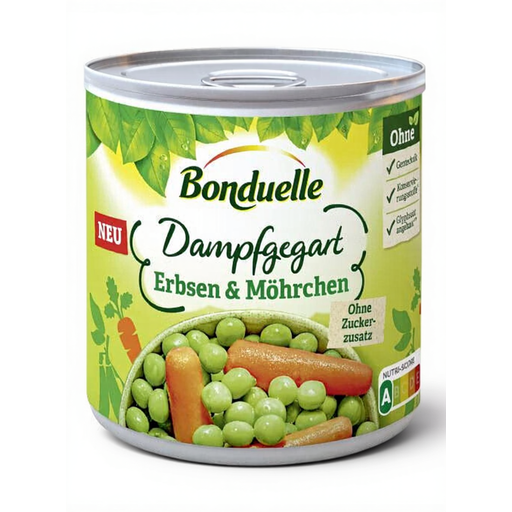
Why This Fits Their Persona: Ideal for anyone who needs a quick, reliable, and tasty side dish. The classic combination of peas and carrots is ready to serve and complements many traditional dishes.
According to the manufacturer, this product contains no added sugar, thus avoiding the "hidden sweetness" pitfall. The gentle steam-cooking process ensures a crisp texture.
Ready to use; Nutri-Score A; no preservatives as required by law.
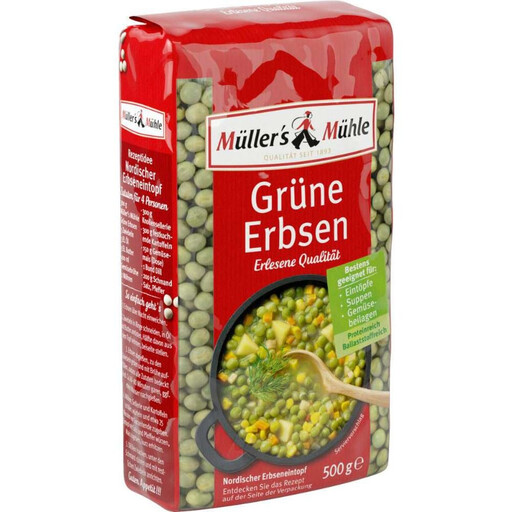
Why This Fits Their Persona: Perfect for those who love to cook from scratch and value unprocessed foods. These dried peas are an excellent, shelf-stable source of protein for soups and stews.
As this is 100% dried peas, there are no hidden additives. You have full control over salt and seasonings. It's the right choice for slow-cooked dishes.
High in protein and fibre; very long shelf life; excellent value for money.
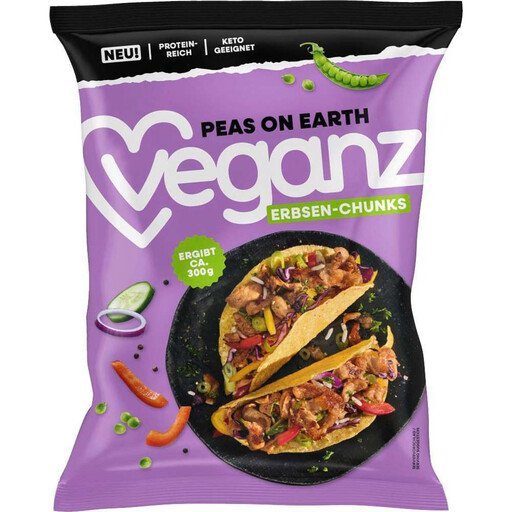
Why This Fits Their Persona: A modern, high-protein base for creative vegan cuisine. This pea-based meat substitute is ideal for preparing goulash, curries, or stir-fries with a firm bite.
This product has a clear purpose, avoiding confusion with a simple vegetable side. According to the manufacturer, it consists of 100% pea protein, making it a highly specialized ingredient.
Extremely high protein content (75g per 100g); versatile as a meat alternative; made from a single ingredient.
We have compiled a complete, up-to-date list of products that fully meet these strict selection criteria and local regulations.
Soaking dried peas overnight is recommended as it significantly reduces the cooking time—often from 2 hours to about 60 minutes. For split peas, soaking is not mandatory as they are already divided and cook faster. However, it can still help to achieve an even creamier texture.
Look for a short ingredient list, ideally consisting of only peas, water, and salt. Low salt and sugar content are also good indicators. Labels like "steam-cooked" or "no added sugar" suggest a gentler processing method and a higher-quality product. Organic peas from certified cultivation are another option for consumers who value ecological farming.
Yes, peas are an excellent plant-based protein source. Dried peas contain about 22g of protein per 100g. The protein is even more concentrated in the form of vegan meat substitutes made from peas, which are produced from pure pea protein isolate and can contain up to 75g of protein per 100g. They are therefore a valuable component of a balanced vegan or vegetarian diet.