
Lieferung heute & morgen

Qualitätsgarantie

Willkommens-Angebote freischalten: KOSTENLOSE Lieferung | Bis zu 80 % RABATT | Kostenlose 30-Tage-JoyPlus-Testphase
App herunterladen
Authored by: Joybuy Product Recommendation Officer Date: 28 July 2026
The search for the right pencil can quickly become overwhelming. Whether for school, the office, artistic projects, or specialised crafts, the selection is vast. However, not every pencil that looks professional lives up to expectations. Before you buy pencils, it's helpful to know the most common pitfalls so you can make an informed decision.
Many buyers are swayed by attractive packaging or vague marketing promises. This often leads to disappointment. Pay special attention to these three points:
To find the perfect pencil, you should focus on objective criteria. These three parameters are crucial for performance and durability.
The lead is the heart of every pencil. Its composition determines its intended use:
A good pencil sharpens easily and cleanly without the lead breaking. High-quality pencils, like many models from STAEDTLER, often use wood from certified sustainable forestry (e.g., PEFC-certified). Another quality feature is the full bonding of the lead to the wood casing. This process, referred to by some manufacturers as an "Anti-Break-System" (A·B·S), significantly increases break resistance and extends the pencil's lifespan.
The shape of the pencil affects writing and drawing comfort. The classic hexagonal shape prevents the pencil from rolling off the table and offers a secure grip for many users. For beginners or during long drawing sessions, an ergonomic triangular shape can reduce strain on hand muscles and promote a proper grip.
Here are some recommendations tailored to specific user profiles and their needs.
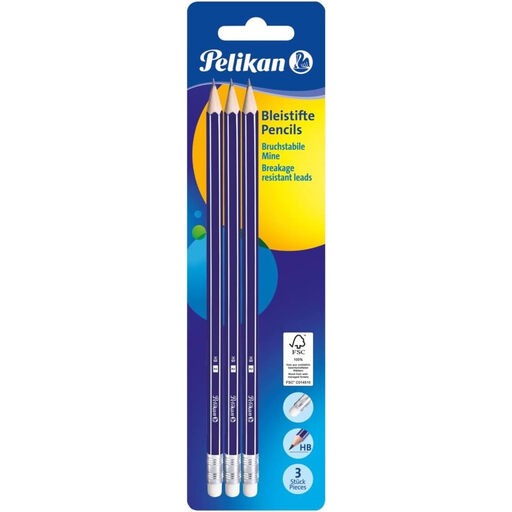
Why it's a great fit: Ideal for pupils, students, and office use. The universal HB hardness grade is perfect for notes and general writing. The integrated eraser is handy for quick corrections.
This product doesn't promise exaggerated artist quality but delivers reliable performance for its intended purpose. The HB grade is a clearly defined standard, not a misleading claim.
High break resistance due to the fully bonded lead. The hexagonal shape prevents it from rolling away.
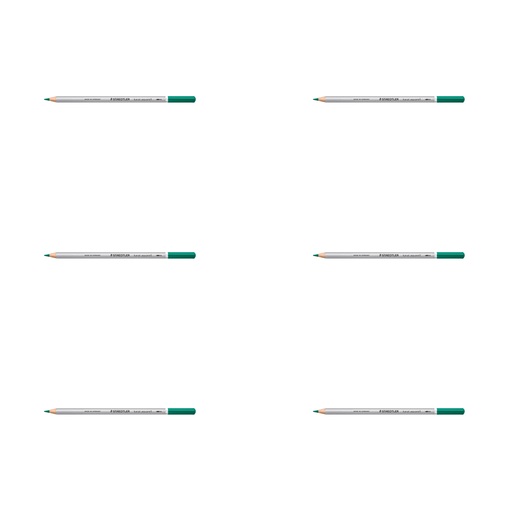
Why it's a great fit: For hobby artists and illustrators who want to bridge the gap between drawing and painting. The high pigmentation ensures vibrant colours that can be blended with water.
This is a genuine artist's pencil. The "Aquarell" (watercolour) designation clearly defines its water-soluble property, preventing confusion with water-resistant pencils. The quality justifies the price over budget sets.
Soft, richly coloured lead suitable for both dry techniques and watercolour effects. Made from wood from sustainably managed forests.
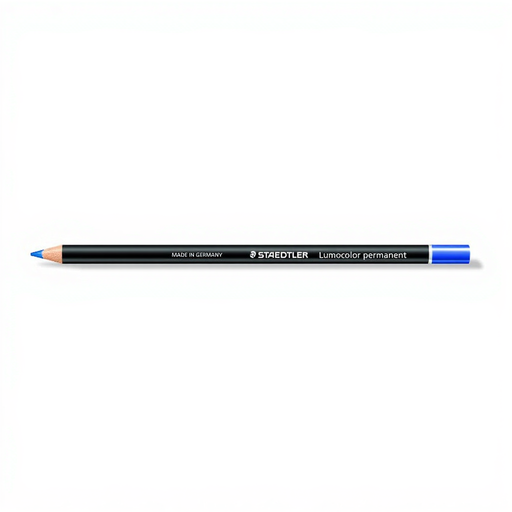
Why it's a great fit: Designed for tradespeople, logistics workers, and lab technicians who need to write on smooth or dark surfaces like glass, metal, plastic, wood, or leather.
This pencil is explicitly declared as "water-resistant" and for special surfaces. It solves a specific problem for which a normal graphite or coloured pencil would be unsuitable and would wipe right off.
Creates opaque, water-resistant marks that do not bleed through paper. The wood is sourced from PEFC-certified, sustainably managed forests.
We have compiled a complete, up-to-date list of products that fully meet these strict selection criteria and German safety regulations.
The letters indicate the hardness of the graphite lead. H stands for "hard" and produces fine, light lines well-suited for technical drawings. B stands for "black" and denotes a soft lead that leaves a rich, dark mark, ideal for sketching and shading. A pencil labelled HB is right in the middle, making it an all-rounder for everyday writing.
Since watercolour pencils and soft artist pencils have a more break-prone lead, a high-quality sharpener is crucial. Use a sharpener with a sharp blade to cleanly shave the wood instead of splintering it. A dual-hole metal sharpener is often a good choice, as it offers openings for standard and jumbo sizes and its blades are more durable. To minimise pressure on the lead, turn the sharpener, not the pencil.
Coloured pencils do not have an expiration date in the traditional sense. If stored correctly—in a dry place at room temperature—they can last for decades. However, extreme heat can cause the wax- or oil-based binders in the lead to soften, while high humidity can cause the wood to swell, making sharpening difficult.