
Lieferung heute & morgen

Qualitätsgarantie

Willkommens-Angebote freischalten: KOSTENLOSE Lieferung | Bis zu 80 % RABATT | Kostenlose 30-Tage-JoyPlus-Testphase
App herunterladen
A single spot can be disruptive in everyday life, especially when you want it covered, left untouched, or treated as discreetly as possible. Pimple patches or hydrocolloid patches offer a targeted solution: they are applied directly to cleansed skin and form a physical barrier. Depending on the type, they can absorb fluid, reduce friction, and make it harder to unconsciously pick at the spot.
However, choosing the right one isn’t always straightforward. Terms like “pimple patches”, “anti-blemish patches” or “spot stickers” don’t automatically describe the same product. The following criteria will help you separate marketing claims from practically relevant features.
Some acne patches contain ingredients such as salicylic acid, tea tree oil, niacinamide or centella extracts. These ingredients can be interesting for certain skincare routines, but they are not proof of guaranteed improvement for every blemish. For sensitive skin, additional active ingredients can actually cause irritation rather than a simple hydrocolloid product.
What matters is whether the patch suits your specific use: a simple hydrocolloid patch works best as a protective cover for individual, surface-level blemishes. A patch with active ingredients requires a closer look at the full INCI list and any warnings.
Transparent pimple patches can be less noticeable during the day and under make-up. However, visibility also depends on patch thickness, edge shape, skin oiliness and adhesion. A very large patch can still stand out despite a transparent surface. Matte, thin patches with slightly tapered edges often blend more discreetly into the skin.
A pack with many patches may seem good value at first glance. For a true cost assessment, you should compare the price per patch, the sizes included, and the recommended wear time. Also, patches are single-use and must be disposed of after use. Reusing them is not recommended for hygiene reasons.
Hydrocolloid in many products consists of ingredients such as cellulose gum and polyisobutene. This material can absorb fluid and visibly change as it does so. For example, the SKIN1004 Spot Cover Patch is described as turning whiter as it absorbs fluid.
Other products combine hydrocolloid with additional ingredients. The Master Patch Intensive contains salicylic acid and tea tree oil according to product information. If you have sensitive or irritation-prone skin, you should first test it on a small area. The information on the packaging is definitive, as formulations can change.
Small spot stickers around 9 to 12 millimetres in diameter are designed for individual spots. For larger areas or several blemishes close together, a larger patch can be more practical. The Master Patch X-Large measures 30 × 60 millimetres according to the product description.
Important: a larger patch is not automatically suitable for inflamed or heavily irritated areas. These products should not be applied to open wounds, deep cuts or severely inflamed skin.
For a patch to stick, your skin should be clean, dry and free from moisturiser, oil, serum or make-up. A typical simple application looks like this:
“Treat spots overnight” does not mean that a specific healing time can be guaranteed. A patch can cover the area and help absorb fluid; skin changes vary from person to person. For persistent, painful or widespread concerns, it is advisable to consult a dermatologist.
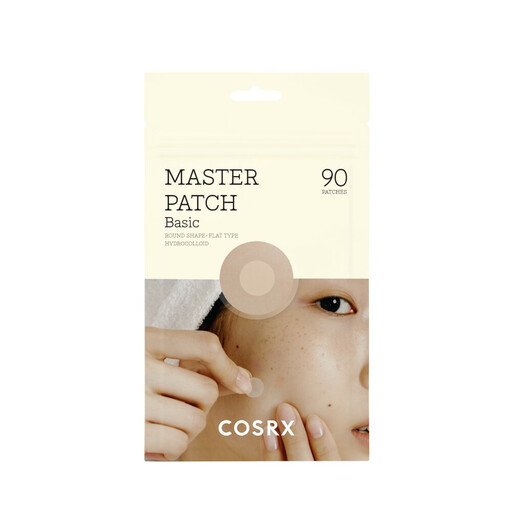
Why this product suits the profile: The pack contains 90 hydrocolloid patches, making it ideal for regular single use. The product information lists no additional active ingredients.
The clear material information makes it easy to compare with active-ingredient patches. You are not paying for a long list of ingredients when you mainly need a protective cover.
90 pieces; hydrocolloid base; suitable for all skin types according to product information.
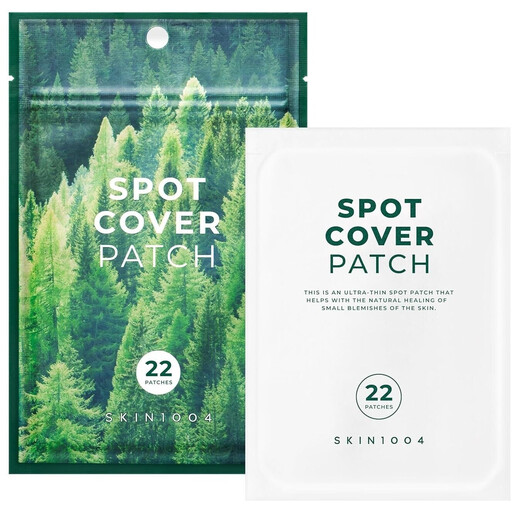
Why this product suits the profile: The product description mentions two sizes, a semi-transparent finish, and a recommended wear time of around 6 to 8 hours.
The different patch sizes reduce unnecessary coverage. The semi-transparent, thin design also addresses the typical visibility trap during daytime use.
22 pieces in 10 × 12 millimetres and 12 × 10 millimetres; waterproof according to product information and suitable for day or night use.
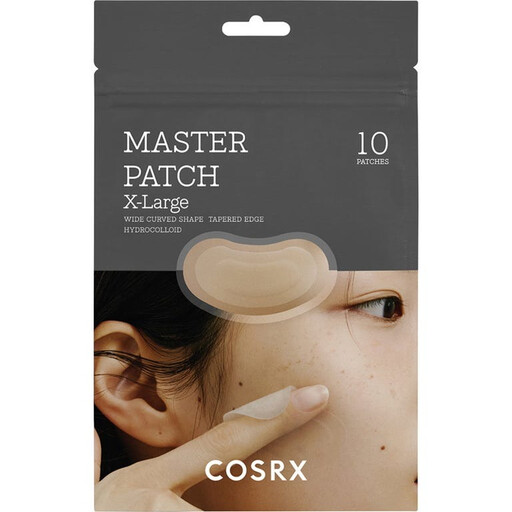
Why this product suits the profile: The format is designed for larger, connected areas of skin, not for the usual single small blemish.
The clearly stated dimensions prevent you from accidentally mistaking a large format for a standard patch. Use should be limited to the intended area.
30 × 60 millimetres; ten pieces per pack; contains hydrocolloid and niacinamide according to product information.
We have compiled a full, regularly updated list of products that meet these strict selection criteria and the safety regulations in force in the EU.
Blackhead patches and classic hydrocolloid patches don’t always work on the same principle. A hydrocolloid patch is mainly intended for surface-level, individual spots. For deep, closed or painful blemishes, fluid absorption may be limited. Products with strongly adhesive or peeling materials should not be removed forcefully.
The exact time depends on the packaging instructions. Depending on the product, several hours or overnight use is often recommended. The patch should be removed when it becomes noticeably discoloured, starts to peel off, or the recommended wear time is reached. A used patch should be disposed of in the bin and must not be reapplied.
Thin, matte or semi-transparent models can be suitable for daytime use. However, make-up should not be applied under the patch, as oil and moisture can affect adhesion. For the Master Patch Intensive and some other pimple patches, the product description mentions discreet use both day and night. Nevertheless, you should check the edge shape, material and manufacturer’s instructions before purchasing.