
Lieferung heute & morgen

Qualitätsgarantie

Willkommens-Angebote freischalten: KOSTENLOSE Lieferung | Bis zu 80 % RABATT | Kostenlose 30-Tage-JoyPlus-Testphase
App herunterladen
Individual blemishes can be discreetly covered in daily life without constantly rubbing or touching the affected area with your fingers. Pimple patches, also known as acne patches, anti-blemish patches or spot patches, can be a practical addition to your daily skincare routine. However, they do not replace dermatological treatment and are not suitable for every type of skin change.
When buying, three typical marketing pitfalls often lead to poor decisions:
Many classic hydrocolloid patches consist of a gel-forming adhesive mass, often containing Cellulose Gum and Polyisobutene. The material can absorb fluid from superficial, open blemishes while also forming a physical barrier. If the patch turns whitish or opaque, this can indicate that it has absorbed fluid.
For closed, deep-seated or severely inflamed skin changes, the absorption capacity is often limited. In such cases, blemish patches are not necessarily the right solution. Open wounds, damaged skin and severely irritated areas should be avoided.
Some variants contain additional ingredients such as salicylic acid, niacinamide or tea tree oil. These components differ from pure hydrocolloid patches and can be relevant for sensitive skin. Salicylic acid, for example, can cause stinging or redness in individuals with an intolerance. Tea tree oil is a plant-based fragrance and skincare ingredient that some people may also react to.
The product description for lists salicylic acid and tea tree oil for the Master Patch Intensive variants. The specific ingredient list can change according to the manufacturer. Therefore, you should always check the INCI list on the packaging before use. If you have sensitive skin, it is advisable to do a careful patch test on a small area.
For individual small spots, diameters of around 9 to 12 millimetres are common. Larger formats such as the Master Patch X-Large at 30 × 60 millimetres can cover several spots close together, but are not practical for every part of the face.
A patch should fully cover the blemish and adhere to clean, dry skin. Cream, oil, serum or sunscreen underneath the sticker can reduce adhesion. Depending on the product, a wear time of several hours or overnight is recommended. Always follow the instructions on the specific packaging.
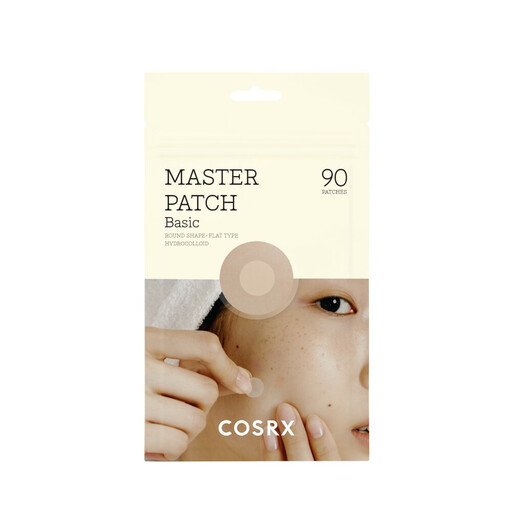
Why this product fits the profile: The pack of 90 pieces is ideal for those who use spot stickers regularly and need different sizes for everyday use.
The straightforward formulation without declared additional active ingredients makes it easier to compare with variants that contain active ingredients.
Hydrocolloid base, suitable for use on clean and dry skin, and a high piece count.
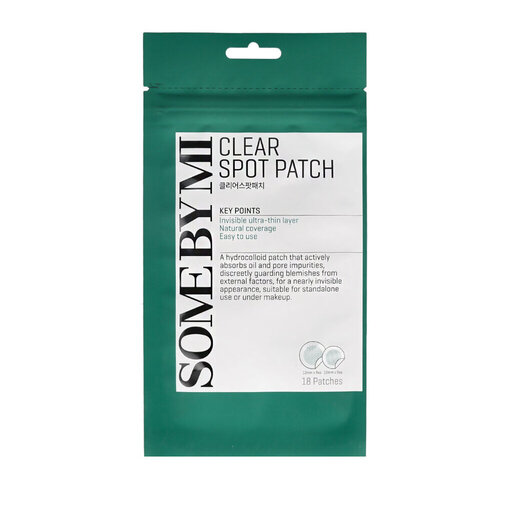
Why this product fits the profile: The two specified sizes and the matte, semi-transparent design are interesting for targeted daytime use.
The size specifications of 10 and 12 millimetres help you avoid using an oversized patch by default.
Hydrocolloid material, two formats and a matte finish according to the product description.
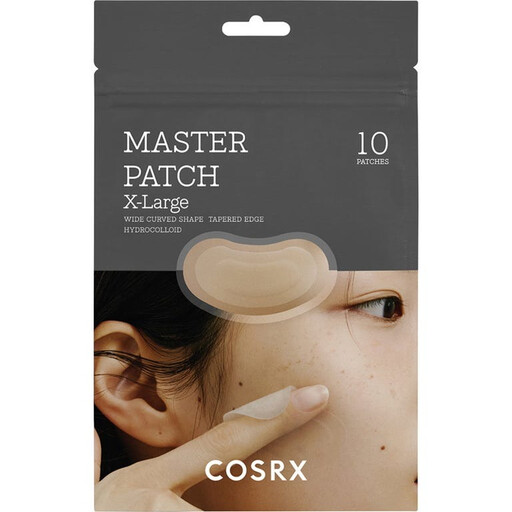
Why this product fits the profile: The extra-large format is designed for clusters of affected areas, not for individual small spots.
The specific measurement prevents the format from being mistaken for a small, discreet spot patch.
30 × 60 millimetre surface area and niacinamide according to the product information; intended for larger-area applications.
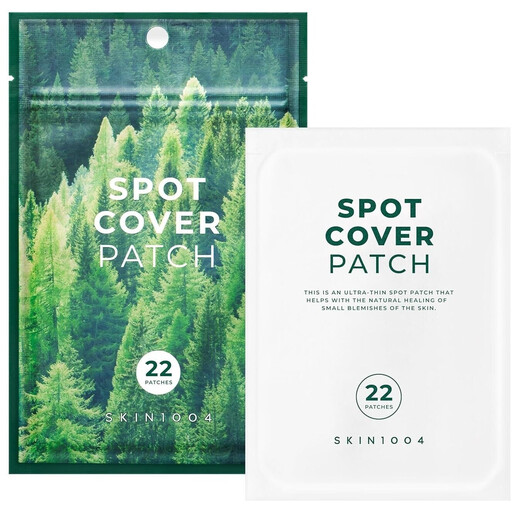
Why this product fits the profile: The semi-transparent, thin design is ideal for those who want to wear patches as discreetly as possible during the day or overnight.
The product details specify the material, dimensions and change interval, rather than justifying the choice through vague efficacy claims alone.
22 pieces in two sizes, water-resistant hydrocolloid material and a stated wear time of approximately 6 to 12 hours.
If you want to treat spots quickly, do not combine several active-ingredient products under one patch. If you experience stinging, itching, swelling or persistent redness, stop using the product. For deep, painful or recurring inflammation, it is advisable to seek dermatological advice.
We have compiled a complete, regularly updated list of products that fully meet these strict selection criteria and the safety regulations in force in the EU.
Depending on the material and product, several hours or overnight is common. The specific manufacturer's instructions are decisive. As soon as the patch is clearly white or has come loose, it should be changed. This is a single-use product and should not be reused.
Thin, matte or semi-transparent models may be suitable for this if the manufacturer specifies such use. Make-up should not get under the patch, as moisture and oils can affect adhesion. Some products explicitly advise against applying cosmetics over them.
Hydrocolloid patches are primarily intended for individual superficial blemishes where fluid can be absorbed. They are not the standard solution for deep nodules, widespread skin problems, open wounds or severely irritated skin. Blemish patches can cover the affected area and protect it from touching, but they do not replace a medical diagnosis or treatment.