
Lieferung heute & morgen

Qualitätsgarantie

Willkommens-Angebote freischalten: KOSTENLOSE Lieferung | Bis zu 80 % RABATT | Kostenlose 30-Tage-JoyPlus-Testphase
App herunterladen
A single spot can be bothersome in everyday life – particularly if you often touch your face, wear make-up or want to protect a specific area of skin from friction. Pimple patches, also known as acne patches, pimple stickers or spot patches, cover individual blemishes and can absorb fluid, depending on the material.
However, not all anti-spot patches are made in the same way. If you only look for terms such as “invisible”, “intensive” or “fast”, you may overlook important details. Our buying guide explains which features matter before you buy and which options suit different situations.
Transparent pimple patches may be less noticeable in daylight than coloured versions. However, visibility also depends on thickness, edge design, surface finish and skin oil. A shiny patch may be more visible under make-up, while matt or tapered edges often look more discreet.
Adhesion is also crucial. If a patch is applied to skin that has not been thoroughly cleansed or is still damp, it may come away prematurely. “Water-resistant” should therefore not be confused with unlimited wear time.
Some acne patches contain hydrocolloid only, while others include ingredients such as salicylic acid, niacinamide or tea tree oil. This can affect both their function and how well they are tolerated. According to the manufacturer’s product description, the Master Patch Intensive contains salicylic acid and tea tree oil, for example. Nevertheless, the current INCI list on the packaging is decisive, as formulations or labelling may be adjusted from one batch to another.
If you have sensitive skin, it is advisable to check the complete ingredients list. A patch containing active ingredients is not automatically suitable for every area of skin or for every daily skincare routine.
The number of patches in a pack alone says little about the actual price per use. Check the following:
For occasional use, a smaller set may be more practical. If you want to cover blemishes regularly, multipacks can offer better value – provided the patches are the right size and material for your needs.
Hydrocolloid is a gel-forming material that changes consistency when it comes into contact with fluid. With some products, this makes the patch visibly lighter or whiter. This is a useful indication that moisture has been absorbed. Hydrocolloid patches also provide a physical barrier against external friction and unconscious touching.
However, performance depends on the type of blemish. For superficial, oozing spots, an absorbent patch may be more suitable than for deep, unopened and severely inflamed skin changes. Pimple patches are not a substitute for dermatological assessment.
A patch should fully cover the affected area without unnecessarily covering too much healthy skin. Small sizes are suitable for individual spots. Larger formats may be more practical for bigger areas or several blemishes close together.
According to the product information, the Master Patch Intensive contains 13 patches measuring 9 mm and 16 patches measuring 11 mm. The Master Patch X-Large, on the other hand, is specified as measuring 30 × 60 mm. Measurements like these help you choose an option suited to the intended area of use.
Most products should be applied to clean, completely dry skin. Creams, oils, sun protection or damp skin can affect adhesion. Depending on the manufacturer’s instructions, patches are worn for several hours or overnight and then replaced.
Important: Do not apply to open wounds, severely irritated skin or directly around the eyes. If burning, redness, itching or swelling occurs, stop using the product. A patch is a single-use product and should not be reused.
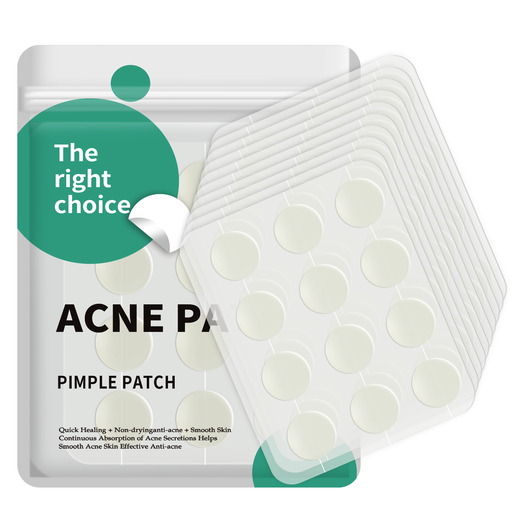
Why this product suits this profile: The multipack offers an easy introduction for anyone who wants to try spot patches as part of their everyday routine.
The number of sheets is clearly stated. However, size, material and the current packaging information should be checked before purchase, as only limited product details are available.
10 sheets; suitable as a supply for occasional use.
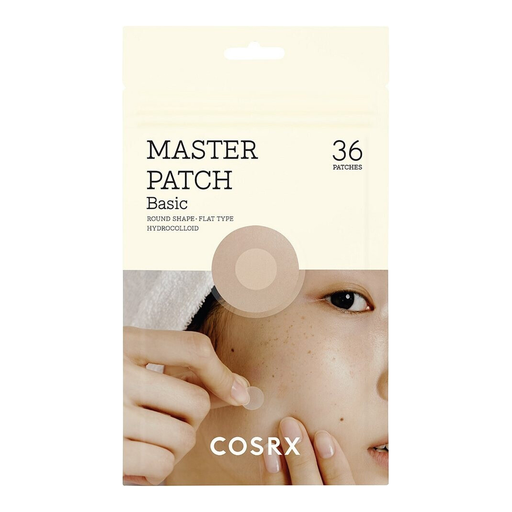
Why this product suits this profile: According to the product information, the Basic version focuses on hydrocolloid and protective coverage, without any additional active ingredients listed.
The concise INCI list makes it easier to check the product before use, particularly if you have sensitive or reactive skin.
36 hydrocolloid patches; suitable for daytime or overnight use in accordance with the manufacturer’s instructions.
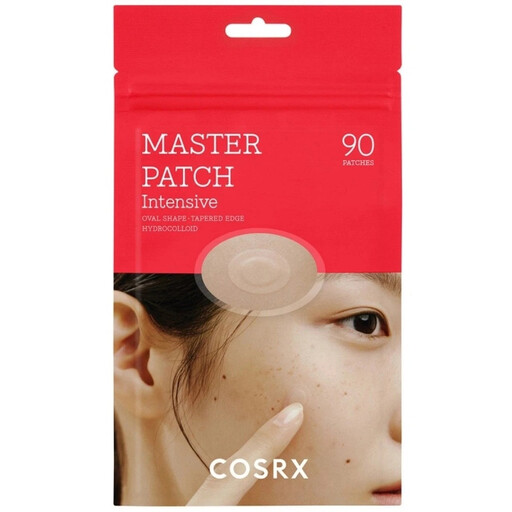
Why this product suits this profile: The pack of 90 is aimed at people who regularly cover individual areas and prefer to keep a larger supply to hand.
The large quantity means fewer repeat purchases. According to the product description, this version contains salicylic acid and tea tree oil; if you have sensitive skin, check the ingredients list particularly carefully.
90 pieces; thin, translucent design according to the product information; intended for daytime and overnight use.
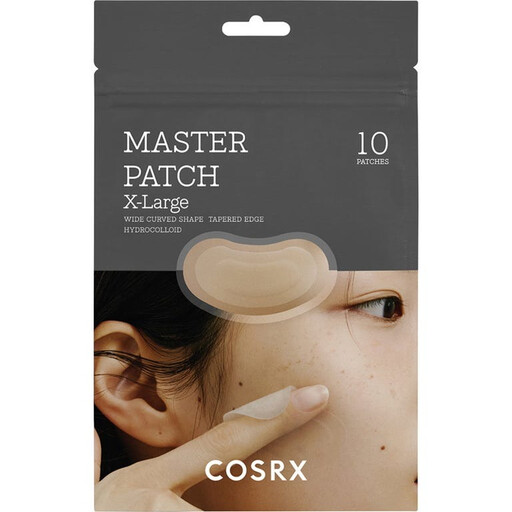
Why this product suits this profile: The stated large format may be useful for connected areas or several blemishes close together.
The specific 30 × 60 mm dimensions prevent shoppers from confusing a standard spot patch with an area-covering patch.
10 pieces; large 30 × 60 mm format; hydrocolloid as the primary covering material.
We have put together a complete, regularly updated list of products that fully meet these strict selection criteria and the safety regulations applicable in the EU.
If you have severely painful, recurring or widespread skin changes, you should have the cause assessed by a doctor. “Treating blemishes” does not automatically mean that a cosmetic patch is suitable for every form of acne.
This depends on the product. Many recommend wearing them for several hours or overnight. For some versions, the manufacturer states approximately 6 to 12 hours, or until the patch visibly changes. Always follow the instructions on the current packaging.
Very thin, matt or transparent versions may be suitable for daytime use. However, make-up should not automatically be applied over every patch. Check the manufacturer’s instructions and make sure your skin is clean and dry before applying the patch.
There is no general answer to this. Hydrocolloid patches without additional active ingredients may be easier for some users to incorporate into their skincare routine. If you have sensitive skin, consider the INCI list, warnings and how your own skin reacts. Stop using the product if irritation occurs.