
Same-day & Next-day Delivery

Quality Guaranteed

Unlock Your Welcome Offers: FREE Delivery | Up to 80% OFF | Free 30-day JoyPlus trial
Download the APP
If you’re looking to buy pineapple products online, you’ll find a wide selection of juices, fruit blends, sweets, frozen pastries and Asian specialities. The product names often sound similar, but they can differ significantly in fruit content, sugar levels, pack size, storage requirements and allergens.
To make sure your shopping in Germany doesn’t lead to a wrong choice, it’s worth checking the details on the product page and the label. The following criteria will help you pick a suitable pineapple drink, long-life pineapple snacks or the right pineapple dessert for your needs.
A Hong Kong-style Pineapple Bun doesn’t necessarily contain pineapple filling. The name usually refers to the cracked, pineapple-skin-like surface. For example, the St.Anny Hong Kong Style Pineapple Bun is made from wheat flour, sugar, egg and milk powder; no pineapple ingredient is listed in the ingredients.
If you’re actually after fruit flavour, look for terms like Pineapple Juice, Pineapple Pieces, pineapple paste or a stated fruit content.
A pineapple juice from concentrate, a fruit drink and a blended drink all differ in fruit content. Rubicon Pineapple Juice, for instance, contains 20% pineapple juice from concentrate. RAUCH Happy Day Pineapple Juice, on the other hand, is labelled as 100% pineapple juice from concentrate. Dimes Pineapple Drink also contains pineapple juice from concentrate, but it’s formulated with water, sugar and other ingredients.
What really matters is:
Unopened drinks or pineapple pieces in syrup can usually be stored at room temperature. Once opened, however, they generally need to go in the fridge. For drinks, consumption within a few days is often recommended. Frozen products, such as a filled Pineapple Bun, need to be kept consistently at around −18 °C and must not be refrozen after thawing.
When ordering online, also check that you have enough space in your fridge or freezer, and that the pack size matches how quickly you’ll use it.
The fruit content is one of the most important objective details. A higher percentage doesn’t automatically mean the product will suit your personal taste, but it does make it easier to compare similar options. For drinks, you should also consider sugar, sweeteners, acidity regulators and flavourings.
For a classic juice, look for products with a clearly stated juice content. If you want a drink for mixing, a sweetened pineapple drink or a pineapple-coconut drink could be a good choice. According to the product information, Pfanner Pineapple Coconut Juice contains 25% fruit juices from concentrate, including pineapple and coconut water.
A 230 ml portion, like the CTB Pineapple Ade, is ideal for drinking on the go. A 1-litre bottle works better for breakfast, for several people, or as a base for smoothies and cocktails. Larger packs, such as RAUCH Happy Day with 6 × 1 litre, make sense if you serve juice regularly.
For parties or as a gift, individually portioned tropical sweets, pineapple lollipops, mochi or small fruit packs can be more practical than a large tin.
Always read the full labelling before buying. Common allergens in pineapple confectionery include:
According to the product information, MUSHAN BASE Pineapple Preserved Fruit contains sulphites. The Yuki & Love Pineapple-Banana Mochi lists soya and milk among its ingredients; possible traces of nuts, peanuts, sesame and gluten-containing cereals are also mentioned. Anyone with allergies should check the current packaging labelling and not rely solely on product images.
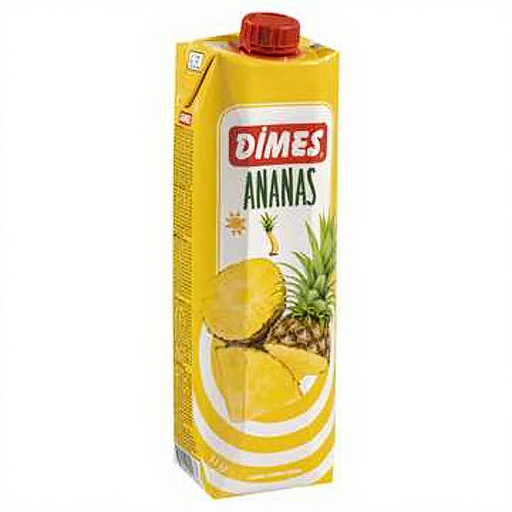
Why this product suits the profile: The 1-litre pack is a manageable size to start with, and can be enjoyed chilled on its own or used as a base for mixed drinks.
The product details list the ingredients, nutritional values and recommended refrigeration after opening. This makes it easier to compare the drink with juices and other pineapple drinks.
1 litre content, no declared allergens, and 51 kcal with 12.2 g sugar per 100 ml according to the product information.
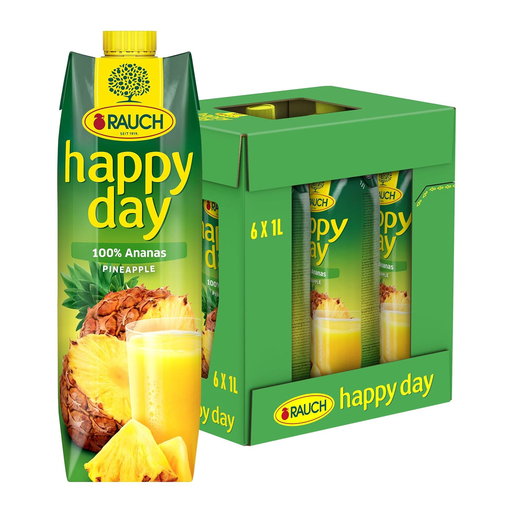
Why this product suits the profile: The bulk pack is designed for households that serve pineapple juice regularly or want to keep a good supply for several people.
The stated fruit content of 100% juice from concentrate clearly distinguishes this product from sweetened fruit drinks.
6 × 1 litre, no declared allergens according to the product information, and 54 kcal per 100 ml.
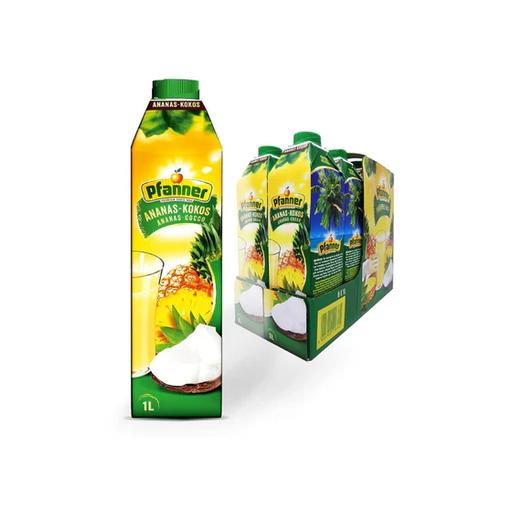
Why this product suits the profile: The combination of pineapple and coconut water makes it ideal for households looking for a drink to enjoy on its own, or for cocktails and smoothies.
The stated fruit content of 25% makes it clear that this is a blended drink rather than pure pineapple juice.
8 × 1 litre, 45 kcal per 100 ml according to the information, and no declared allergens.
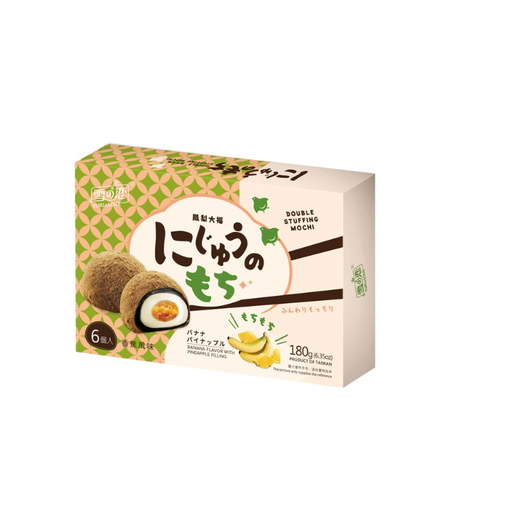
Why this product suits the profile: The mochi combines pineapple and banana paste with a soft, chewy outer layer, making it a portionable snack or an Asian-style pineapple dessert.
The ingredients list includes pineapple paste, banana paste, soya and milk, along with possible traces of other allergens. This makes it easier to choose if you have specific dietary requirements.
180 g pack, can be stored in a dry place according to the information, and keeps for up to three days in the fridge once opened.
We’ve put together a full, regularly updated list of products that meet these strict selection criteria and comply with all EU safety regulations.
Depending on the occasion, other categories might also be of interest:
For several people, 1-litre bottles or multi-packs are practical. When choosing, consider the quantity you need, your chilling options and the sugar content. Pfanner and RAUCH are available in larger pack sizes, while individual cans or pouches like BOBMOOS and CTB are better for single portions.
It depends on the product. Drinks should usually be refrigerated after opening and consumed within a few days. Opened tins, such as pineapple pieces in syrup, should be transferred to a suitable sealed container and kept in the fridge. Always follow the instructions on the packaging and product page for each item.
The full ingredients and allergen labelling are what you need to go by. Mochi, cakes and filled pastries in particular may contain milk, egg, wheat, soya or traces of nuts. With fruit snacks, also watch out for sulphites. Check the information before every order and again when you receive the product.