
Lieferung heute & morgen

Qualitätsgarantie

Willkommens-Angebote freischalten: KOSTENLOSE Lieferung | Bis zu 80 % RABATT | Kostenlose 30-Tage-JoyPlus-Testphase
App herunterladen
Pink make-up ranges from barely-there colour accents to bold statement looks. It's precisely this variety that can make choosing so difficult: a shade looks different on the product image than it does on your own skin, a glossy finish can feel sticky, and a product advertised as long-lasting isn't automatically suitable for dry lips.
This shopping guide will help you compare pink lip and cheek products using clear criteria, so you can avoid the typical buying mistakes.
"Pink", "Rose" or "Coral" are not standardised colour categories. Pink make-up can have a cool, blue undertone, a neutral undertone or a warm, coral undertone. Your own lip colour also affects the result, especially with sheer lip gloss, lip tint and tinted lip balm.
For a natural look, muted rosé, nude pink or delicate coral shades often work well. If you want more contrast, you can opt for a stronger pink lip colour or a matte lip colour.
A glossy finish does not automatically mean intensive care. Conversely, a long-lasting make-up can feel heavier on the lips and drier due to film-forming ingredients. With pink lip gloss, lip oil and hydrating lip make-up, you should therefore check the texture description.
Claims like "non-sticky", "hydrating" or "long-lasting" are product-specific. They should be cross-referenced with the full product description, application instructions and ingredient list.
A product for lips and cheeks saves space, but requires controlled application. With highly pigmented blush drops, even a small amount can be visible. Powder blush, on the other hand, can usually be built up gradually, while a lip tint on the cheeks can dry more quickly depending on the formulation.
Pay attention to the combination of shade, coverage and buildability:
With Korean make-up, softly blended gradients, known as gradient lips, and diffused blush effects are common. Light tints, pudding textures or easily blendable blush formulas are ideal for this.
The finish affects both the look and the feel:
Check the information on the packaging and product page before buying. The following are relevant:
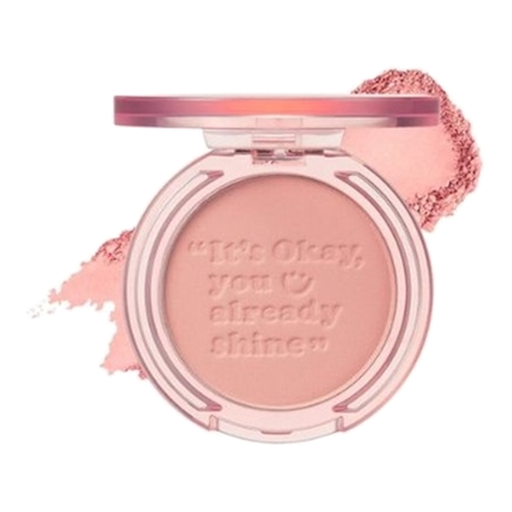
Why this product fits the profile: The light, buildable cheek colour can be gradually intensified for subtle everyday looks and, at 4.2 g, is compact enough for your make-up bag.
The description mentions a buildable texture. This allows you to control the intensity, rather than risking a very heavy application straight away.
Powder texture, 4.2 g content and a coral-toned shade with a natural orientation.
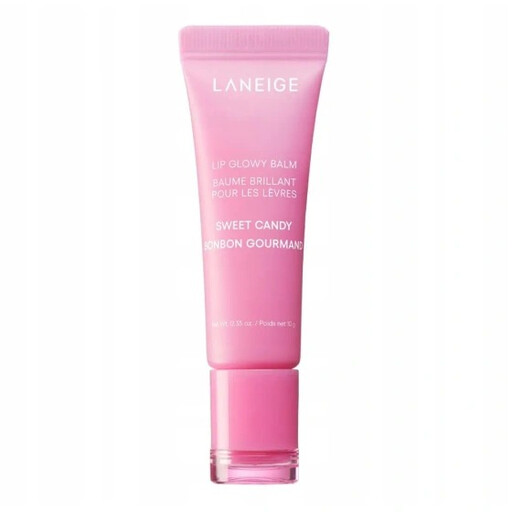
Why this product fits the profile: The tinted lip balm combines a delicate pink veil with a glossy finish and can be worn alone or over lip liner and lipstick.
The product details clearly distinguish between a sheer tint and high pigmentation. This reduces the risk of expecting a full-coverage lipstick.
Shea butter and murumuru seed butter are listed in the ingredient list; the product contains no SPF according to the description.
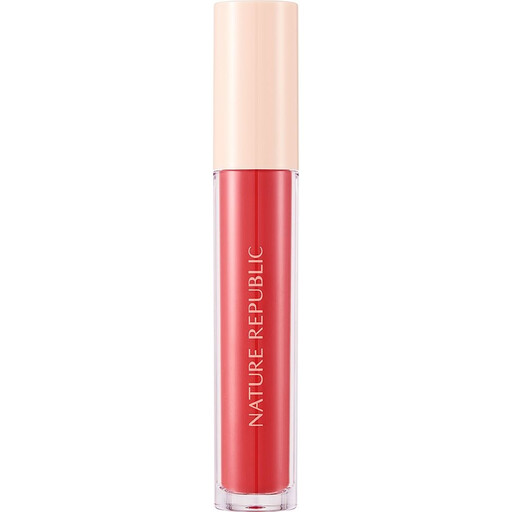
Why this product fits the profile: The water-gel texture is ideal for those looking for a light application, a pink shade and the ability to layer.
The application instructions describe one to three layers and a short setting time. This allows you to control the colour intensity.
5 g content, a water-like gel texture and a long-lasting colour result according to the product details.
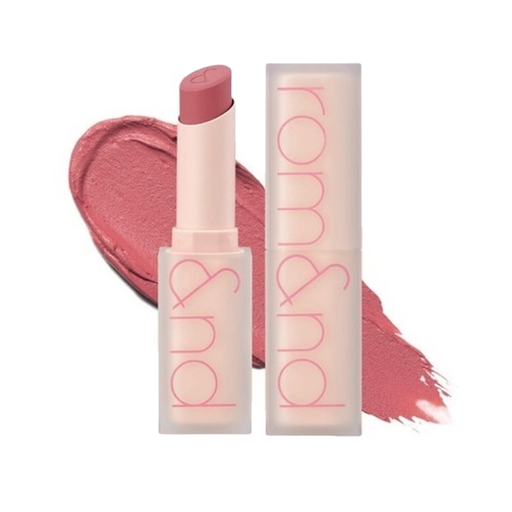
Why this product fits the profile: The lightweight lipstick with a matte finish is aimed at users who want to combine intense colour payoff with a softer, diffused K-beauty look.
The product description explicitly mentions a matte texture and intense colour payoff. This means the selection cannot be confused with a sheer gloss finish.
Matte finish, 10 Pink Sand shade and sodium hyaluronate in the listed ingredient list.
We've put together a complete, regularly updated list of products that fully meet these strict selection criteria and the safety regulations in force in the EU.
For a subtle look, sheer rosé, nude pink or light coral shades are usually best. Your skin undertone, natural lip colour and the product's coverage are all decisive factors. A lip tint or tinted lip balm generally looks more sheer than a full-coverage lipstick.
Longevity depends on the formula, application and your daily activities. Lip gloss needs more frequent touch-ups, while a lip tint can leave colour pigments on the lips. Matte lip colour often adheres more strongly, but can feel drier depending on the formulation. Claims about longevity should always be understood as product-specific descriptions.
The printed expiry date and the PAO symbol, e.g. "12M" for twelve months after opening, are decisive. If the smell, colour, consistency or your tolerance changes, you should stop using the product. The information on the actual packaging takes precedence over general online information.