
Lieferung heute & morgen

Qualitätsgarantie

Willkommens-Angebote freischalten: KOSTENLOSE Lieferung | Bis zu 80 % RABATT | Kostenlose 30-Tage-JoyPlus-Testphase
App herunterladen
When you want to buy Pinot Gris online, you're faced with a huge selection. The labels make grand promises, but not every wine delivers. As your Joybuy Product Recommendation Officer, I'm here to help you navigate the common pitfalls and make an informed decision that suits your taste and budget.
Many wine drinkers fall into the same traps. These include trusting vague marketing terms that say little about the actual quality, or confusion over taste descriptions like "dry," which can vary significantly from wine to wine. Finally, the cost savings of buying in bulk are often overlooked, leading to overpaying for regular enjoyment. This guide will show you which objective criteria to focus on.
To avoid disappointment, don't be swayed by flowery descriptions. Instead, focus on verifiable facts. Three parameters are particularly important.
A German white wine is more than just a label of origin. The region significantly shapes its character. For example, a Pinot Gris from the Palatinate (Pfalz) region often grows on calcareous soils, which can give it a distinct minerality and structure. Wines from Rheinhessen are frequently known for their fruit-forward and approachable style. Pay close attention to the specific growing region listed on the label. Besides Pinot Gris, dry Pinot Blanc (Wei?burgunder) is another popular choice, distinguished by its crisp acidity and notes of citrus or nuts.
The term "dry" is legally defined, but it allows for some leeway. A wine is considered dry if its residual sugar content is no more than 9 g/l, with the acidity level also playing a role. For a truly dry experience, look for wines with a residual sugar level below 6 g/l. This information is often found in the detailed product description when you order white wine online. This ensures the wine matches your personal preference and doesn't have any unexpected sweetness.
Those who enjoy wine regularly or are stocking up for events can benefit from larger formats. A white wine case of six bottles typically offers better value for money than buying single bottles. For larger gatherings or long-term storage, bag-in-box systems are also a practical solution, as the wine stays fresh longer after opening. If you value sustainable viticulture, look for official seals. A certified organic wine guarantees that the grapes were grown according to the strict guidelines of the EU's organic regulations.
Here are a few recommendations tailored to different needs, all of which meet the criteria mentioned above.
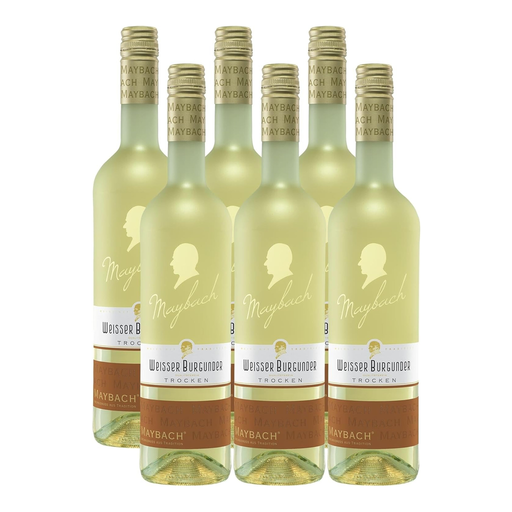
Why it's a great fit: Ideal for daily enjoyment or as a reliable staple. This Pinot Blanc offers a clean, fruity profile that is uncomplicated and pairs well with many light dishes.
The 6-bottle case offers excellent value for money, avoiding the premium on single bottles. Its 'dry' profile is clearly defined by aromas of pear and quince.
An approachable Pinot Blanc from Rheinhessen with a 12% ABV, making it a versatile companion for light meals like white meat or seafood.
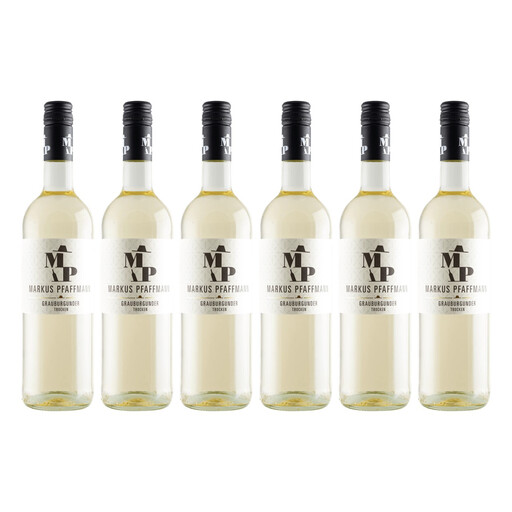
Why it's a great fit: For wine drinkers who appreciate the character of a specific region. This Pinot Gris reflects the unique qualities of the Southern Palatinate (Südpfalz) and comes from a vintner known for meticulous craftsmanship.
Instead of vague promises, the description provides concrete information about the terroir (calcareous soil around Walsheim) and the vinification process, creating transparency.
A dry Pinot Gris (6.4 g/l residual sugar) with fine minerality and aromas of apple, pear, and hazelnut. The winery's wines are also vegan-friendly.
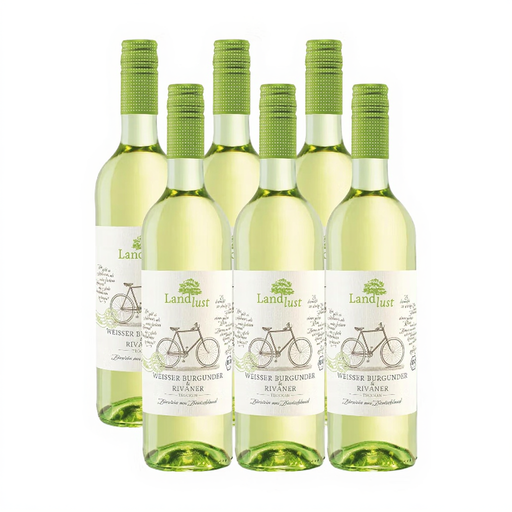
Why it's a great fit: For anyone specifically looking for certified organic products. This wine combines a commitment to ecological farming with the enjoyment of a classic German white wine.
Instead of vague 'close-to-nature' marketing, this wine features the official EU organic logo. This is a verifiable standard that confirms compliance with ecological guidelines.
A certified organic wine that is also gluten-free. The cuvée of Pinot Blanc and Rivaner offers a fruity aroma of pear and pairs well with light sauces and seafood.
We have compiled a complete, up-to-date list of products that fully meet these strict selection criteria and German regulations.
Although both belong to the Burgundy family, there are distinct differences. Pinot Gris (Grauburgunder) has a reddish-grey grape skin and often produces fuller-bodied wines with aromas of nuts, almonds, pear, or pineapple. Pinot Blanc (Wei?burgunder) has a light green skin and is typically lighter and fresher, with notes of citrus, green apples, and a vibrant acidity.
Store the wine bottles lying down in a cool, dark place with a constant temperature, ideally between 10 and 15°C (50-59°F). Avoid direct sunlight and significant temperature fluctuations. Wines with screw caps can also be stored upright, as the cork does not need to be kept moist. A cellar or a cool pantry are suitable locations.
A reliable indicator is the official EU organic logo (a stylised leaf made of stars on a green background). This seal guarantees that no synthetic chemical pesticides or fertilisers were used in cultivation and production, and that strict ecological standards are met. Many vintners who practice organic or biodynamic farming also state this explicitly in the wine's description.