
Lieferung heute & morgen

Qualitätsgarantie

Willkommens-Angebote freischalten: KOSTENLOSE Lieferung | Bis zu 80 % RABATT | Kostenlose 30-Tage-JoyPlus-Testphase
App herunterladen
If you’re looking to buy plum wine, you’ll find a wide selection of umeshu, Chinese plum wine and fruit liqueurs from online retailers in Germany. However, products can vary considerably in alcohol content, sweetness, ingredients, origin and how they’re intended to be enjoyed. Eye-catching packaging or a claim that a drink is “traditional” won’t tell you on its own whether it suits your taste or the occasion.
“Plum wine” is a catch-all term in German. Japanese plum wine is often called umeshu. It’s generally an alcoholic drink made with ume fruit, sugar and spirits. Chinese plum wine, on the other hand, may be made as a fruit wine or as a blend of rice wine and spirits.
Plum liqueur is usually sweeter and more intensely flavoured than a classic fruit wine. So if you’re looking for a lighter drink to enjoy with a meal, choose based on the alcohol content, ingredients list and flavour description, not just the name.
A 750 ml bottle is better suited to sharing, serving at a dinner party or giving as a gift. Smaller sizes, such as 330 ml or 500 ml, make sense if you’d like to try a particular flavour first or only need a small amount to serve.
Searches such as “plum wine 750 ml” are a good reason to check the actual net volume. The product name, image and description may show different amounts. The information on the product itself or its current product page is the one to rely on.
A fruity wine isn’t necessarily very sweet. Plum, yuzu, mandarin or osmanthus can also bring sour, floral or citrus notes. A sweeter product can work well in cocktails, while a more balanced sweet-and-sour profile may be a better match for food.
Available products include examples at 10 %, 12 % or 12,5 % vol. Some Chinese varieties reach 15 % vol. Alcohol content affects how easy a drink is to enjoy neat and how strongly it comes through in a cocktail.
Many varieties are served chilled or over ice. If you’re choosing plum wine for cocktails, also check whether its flavour will work with soda, tonic, sparkling wine or neutral spirits.
According to product information, ingredients may include ume plums, sugar, distilled spirits, rice, osmanthus or citrus peel. Some products declare no added allergens, while sulphur dioxide and sulphites are listed for Ozeki Yuzu Umeshu. Check the ingredients and allergen information before buying and again when your order arrives, as packaging details may be updated.
If you’re looking to buy umeshu, you may be after a Japanese product with a sweet, mellow plum flavour. Chinese plum wine, on the other hand, may have stronger notes of green plums, rice wine, osmanthus or smoked plums.
Look for specific details such as:
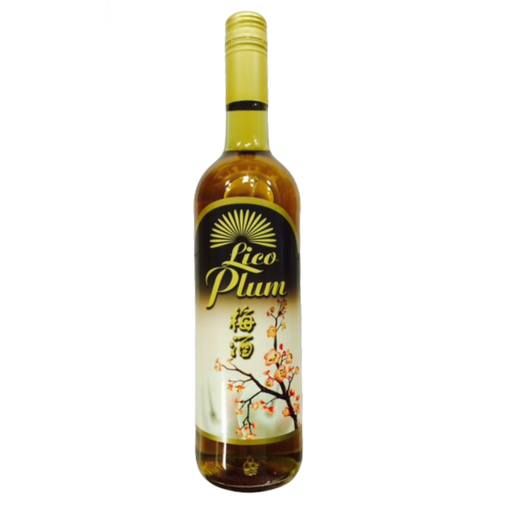
Why this product suits this profile: The 750 ml bottle at 10 % vol. is a straightforward choice for beginners who want to try a fruity wine neat, over ice or in simple cocktails.
The alcohol content and bottle size are clearly stated, making it easier to compare with stronger plum liqueurs or smaller bottles.
10 % vol., 750 ml and, according to the product description, intended for drinking neat, over ice or in cocktails.
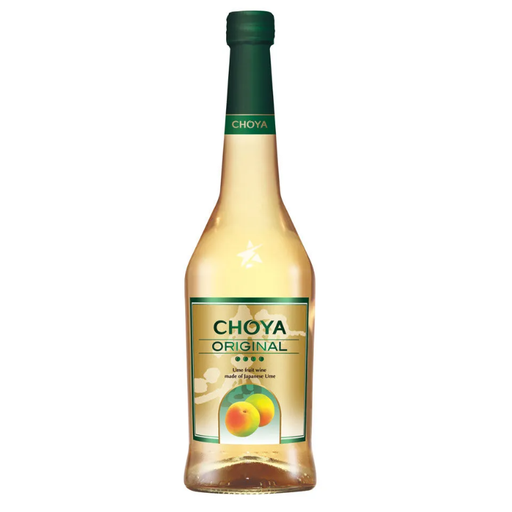
Why this product suits this profile: If you’re looking for Japanese plum wine, the product information describes this as a Japanese umeshu made with ume fruit, sugar and distilled spirits.
Origin, ingredients, alcohol content and serving suggestions are listed separately. This makes it easier to distinguish the product from Chinese plum wine and flavoured liqueurs.
Japanese origin according to the product information, 10 % vol. and 750 ml; suitable for serving chilled, over ice or in cocktails.
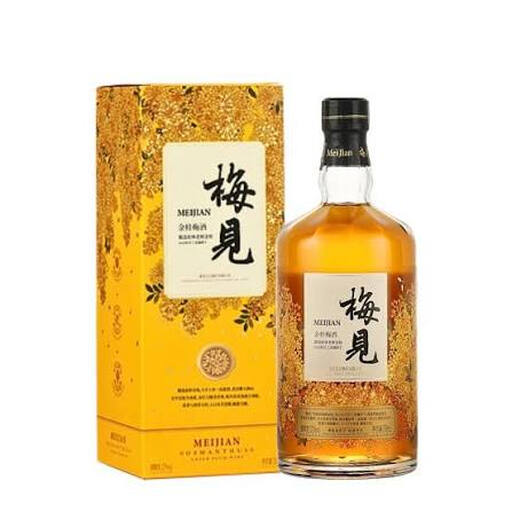
Why this product suits this profile: The combination of green plums and osmanthus adds a floral flavour to dinner parties, larger gatherings and home-mixed cocktails.
The floral osmanthus flavour is clearly highlighted, helping you decide whether you want a classic variety or one with an added aromatic note.
12 % vol., 750 ml and, according to the product information, intended for drinking neat, in cocktails, at dinner or as a gift.
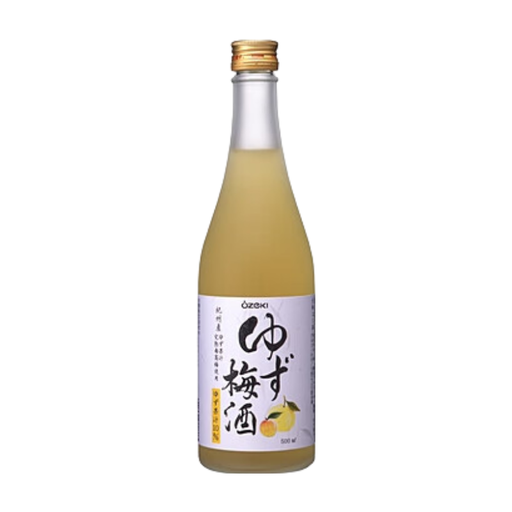
Why this product suits this profile: The blend of plum and yuzu citrus is a good choice if you’re looking for an extra fresh, aromatic note in your umeshu.
The 500 ml size keeps your commitment small if you’d prefer a smaller quantity. Sulphites are also clearly listed as an allergen.
12,5 % vol., 500 ml and, according to the product information, suitable for serving chilled, over ice or with a splash of soda.
We’ve put together a complete, regularly updated list of products that meet these strict selection criteria and fully comply with the safety regulations in force in the EU.
For a gift, 750 ml bottles with attractive packaging are a practical choice, provided you know what the recipient likes. A classic umeshu is an obvious pick for fans of Japanese drinks. A variety with osmanthus, yuzu or smoked plums is better suited to people who enjoy trying new flavour combinations.
For cocktails, choose a plum wine with plenty of flavour. Smaller bottles, such as 330 ml, may be enough for a few evenings or for experimenting with your own recipes. Before mixing, try a simple combination of plum wine, soda and ice. This lets the main flavour come through and makes it easier to control how much extra sugar you add.
Alcoholic drinks are intended for adults aged 18 and over only. Pregnant and breastfeeding people should not drink alcohol. After opening, follow the instructions on the label; some products should be kept chilled and consumed soon after opening.
Umeshu usually refers to Japanese plum wine made with ume fruit, sugar and spirits. Chinese plum wine may be made from green plums, rice wine or fermented alcohol. Origin and the ingredients list are a more reliable guide than the general term “plum wine”.
This depends on the product. Store unopened bottles in a cool, dry place away from direct sunlight, following the instructions on the label. Once opened, follow the label guidance; some products are recommended to be kept chilled and consumed soon after opening.
For several people or a dinner party, 750 ml of plum wine is usually more practical. A 330 ml or 500 ml bottle may be enough for a personal tasting, a small gathering or cocktails for a few people. The key is whether you’ll serve the wine neat or mix it with other ingredients.