
Lieferung heute & morgen

Qualitätsgarantie

Willkommens-Angebote freischalten: KOSTENLOSE Lieferung | Bis zu 80 % RABATT | Kostenlose 30-Tage-JoyPlus-Testphase
App herunterladen
If you want to buy pork online, you’ll find a wide selection, including fresh and frozen cuts, tinned pork, pork goulash, sausages and ready-to-eat meals. However, the product name alone tells you little about whether an item is right for your household. What matters is its condition, quantity, storage requirements, ingredients and intended use.
Chilled pork fillet or vacuum-packed pork neck needs to be kept chilled throughout and should be used soon after opening. Frozen products such as pork mince or pork ribs, on the other hand, need enough space in your freezer at –18 °C or below. Tinned products, pâté in jars and luncheon meat can usually be stored at room temperature while unopened, provided the packaging is undamaged.
If you confuse these categories, you could end up ordering more than your fridge or freezer can hold.
A kilogram of pig’s trotters, pork bones or pig’s ears is not directly comparable to a kilogram of pork fillet. Bones and skin affect how much you can use. For tinned products, you should also distinguish between the net weight and the actual meat content. Check the ingredients list to see how much pork is included and whether there are other ingredients such as stock, bacon, starch or spices.
Ready meals containing pork, pâté and sausages may contain wheat, celery, mustard, milk or soya, depending on the recipe. These details are listed in the ingredients and allergen information. Salt content can also vary considerably: Simon Delikatess Luncheon Breakfast Pork Meat, for example, is listed as containing 2.1 g of salt per 100 g, while HVC Pork Tenderloin Roast contains 0.13 g of salt per 100 g, according to the product information.
Choose a cut that suits the meal you have planned:
For chilled products, follow the temperature instructions on the packaging. According to the product information, HVC Pork Neck/Plum Pork 500g Boneless should be stored at 0 to 4 °C and used within 24 hours of opening. HVC Pork Tenderloin Roast is recommended for freezing on the day of purchase and using within three months.
Frozen products such as HVC Pork Ribs 1000g must not be refrozen after defrosting. Defrost frozen products fully in the fridge, then use them soon afterwards.
When buying processed pork products, it’s worth comparing:
Do not use a product if the tin is damaged, the lid is bulging, the jar is cracked or the seal has come loose. Once opened, transfer any food left in a tin to a suitable sealed container and keep it in the fridge.
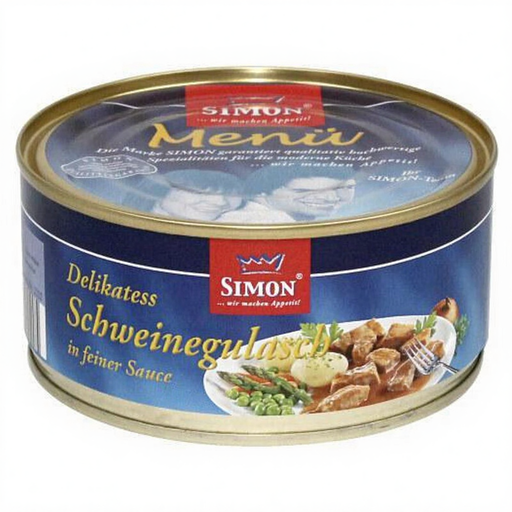
Why this product suits this shopper: This pre-cooked pork goulash in sauce comes in a portion-sized tin and can be heated without much preparation.
The 300 g tin, along with storage and use-by instructions after opening, makes it easier to plan how much you need.
Contains 32% pre-cooked pork, according to the product information; keeps for at least 67 days unopened.
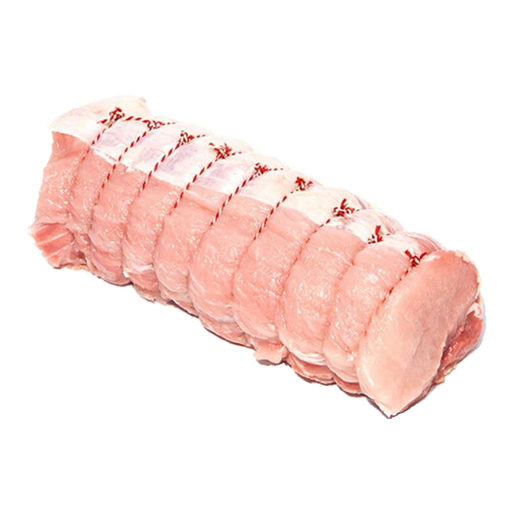
Why this product suits this shopper: This 500 g cut made from 100% pork is a good choice for a planned roast or several smaller portions.
The recommended storage temperature of 0 to 4 °C, packaging type and specific cooking instructions are all provided.
According to the product information, it contains 22 g of protein and 3.5 g of fat per 100 g; vacuum-packed and suitable for freezing.
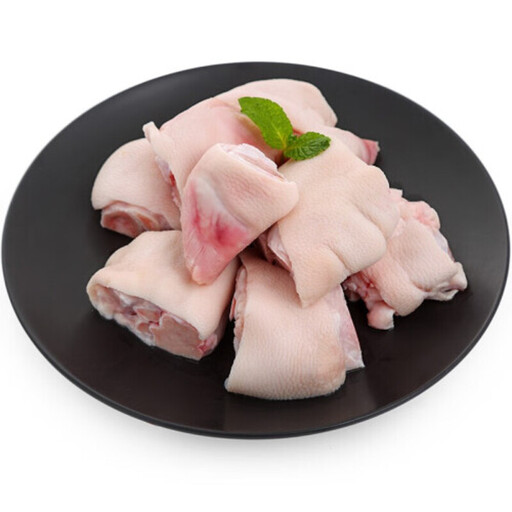
Why this product suits this shopper: Chopped pig’s trotters are ideal for soups, slow-cooked dishes and recipes that need a longer cooking time.
The 1 kg pack size and recommended storage at 0 to 4 °C or at –18 °C or below are clearly stated.
Already cut into pieces; according to the product information, contains only pig’s trotters, with no declared allergens.
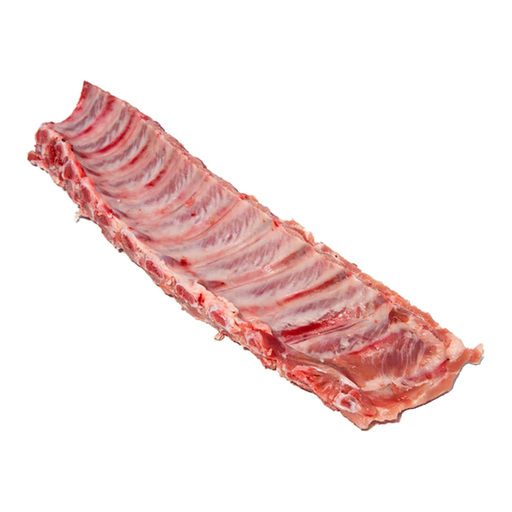
Why this product suits this shopper: Two separate 500 g portions make it easier to plan for barbecues and family meals, and to defrost just what you need.
The product description clearly specifies that it must be kept frozen and must not be refrozen after defrosting.
1 kg in total, divided into 2 x 500 g portions; 100% pork ribs according to the ingredients list.
Chilled and frozen products are generally shipped in suitable packaging for transport. When your order arrives, first check the condition of the packaging and the temperature requirements. Put frozen products straight into the freezer. Keep unopened tins and jars in a cool, dry place away from direct sunlight.
It depends on the type of product. For fresh cuts such as pork belly or pork fillet, follow the printed use-by or best-before date. Frozen products can be stored for longer at –18 °C or below, but always follow the date on the packaging. Once opened, tinned products, pâté and luncheon meat should generally be used within two to three days, in line with the manufacturer’s instructions.
Compare the meat content, salt content, fat content, allergens, jar or tin format and storage conditions. Smaller packs are handy if you only eat these products occasionally, while value packs can be more economical for households that use them regularly. The key is to make sure the amount you plan to use is suitable for the product’s shelf life after opening.