
Lieferung heute & morgen

Qualitätsgarantie

Willkommens-Angebote freischalten: KOSTENLOSE Lieferung | Bis zu 80 % RABATT | Kostenlose 30-Tage-JoyPlus-Testphase
App herunterladen
Navigating the world of Japanese sake can be daunting for beginners and even seasoned connoisseurs. Terms like Junmai Daiginjo, polishing ratio, or region of origin often raise more questions than they answer. If you're looking to buy premium sake, you face the challenge of sifting through a vast array of options to find the one that meets your standards for quality and taste.
This article serves as your guide. We'll explain the key quality indicators of high-end sake and introduce a selection of products that stand out for their unique characteristics and artisanal craftsmanship. Our goal is to provide you with a solid foundation for your purchasing decision when you order sake online.
A few technical parameters are helpful for judging the quality of sake. They provide insight into the production methods and the expected flavour profile.
The polishing ratio indicates the percentage of the original rice grain that remains after polishing. A lower percentage means more of the grain's outer layer—where fats and proteins are concentrated—has been removed. What's left is the pure starch core, which results in a more refined, aromatic, and complex sake.
For example, a product like Dassai 39, with a polishing ratio of 39%, signals a particularly meticulous production process and promises a correspondingly sophisticated tasting experience.
The term Junmai (純米) means "pure rice." A Junmai sake is made exclusively from rice, water, yeast, and koji mould, with no additional brewer's alcohol. This often results in a fuller body and a more pronounced rice flavour. For sake types without the "Junmai" designation (e.g., Honjozo, Daiginjo), a small amount of distilled alcohol may be added to extract aromas and create a lighter, drier profile. For many connoisseurs, high-quality rice wine is synonymous with the Junmai category.
The taste of sake is often described on a scale ranging from dry (辛口, Karakuchi) to sweet (甘口, Amakuchi). A dry sake pairs well with a variety of foods, while sweeter versions are often enjoyed as an aperitif or with mildly spiced dishes. The designation "Chokarakuchi" (超辛口) indicates an especially dry sake that offers a crisp and refreshing mouthfeel.
Based on objective criteria such as production method, polishing ratio, and declared flavour profile, we have curated a selection of remarkable sake products.
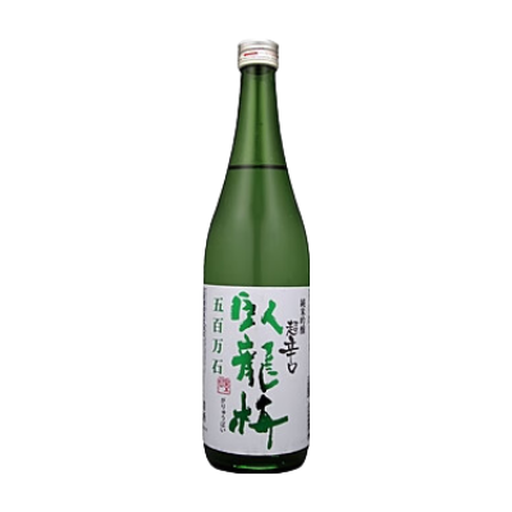
Why It Stands Out This Junmai Ginjo grade sake is explicitly designated as Chokarakuchi (extra dry). It is crafted to deliver a crisp, clean, and dry flavour profile that sets it apart from fruitier or sweeter counterparts.
Key Features
Who It's For This sake is recommended for fans of dry wines and spirits who are looking for an equally dry sake. It is perfect for connoisseurs who prefer an elegant and straightforward companion to a meal.
View Details for Garyubai Junmai Ginjo Chokarakuchi
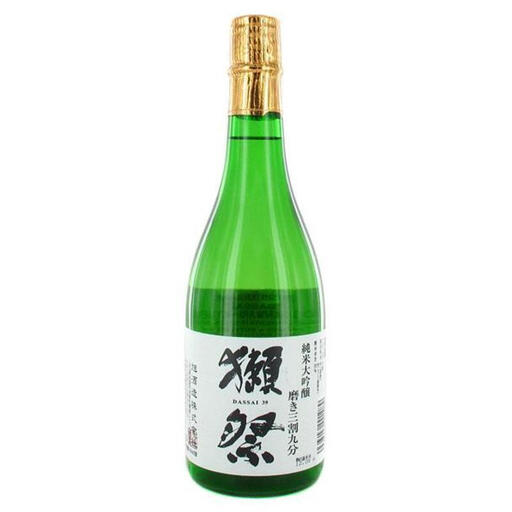
Why It Stands OutDassai 39 is an internationally acclaimed Junmai Daiginjo. The "39" in its name refers to the exceptionally high polishing ratio of 39%. This means 61% of each rice grain was polished away, leaving only the purest core for fermentation.
Key Features
Who It's For Ideal for connoisseurs who appreciate the finesse of a highly polished Junmai Daiginjo. Thanks to its renowned reputation and elegant presentation, Dassai 39 also makes an excellent and sophisticated gift.
View Details for DASSAI 39 Junmai Daiginjo
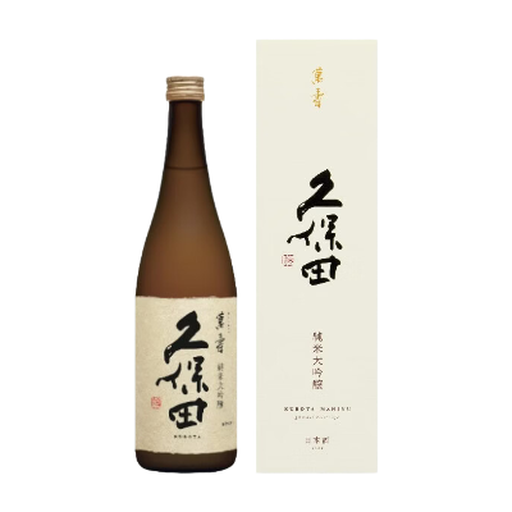
Why It Stands OutKubota Manju is presented as the flagship of the renowned Kubota series from the Asahi Shuzo brewery. It embodies the brewery's philosophy of creating a sake with a soft mouthfeel and a balanced umami flavour.
Key Features
Who It's For This sake is for enthusiasts seeking a sophisticated yet approachable Junmai Daiginjo for special occasions. Its balance makes it a favourite for those who prefer a harmonious tasting experience.
View Details for Kubota Manju Junmai Daiginjo
The world of sake is diverse and rich with discoveries. If the products featured here don't perfectly match what you're looking for, or if you simply wish to explore a wider spectrum of flavours, you can find more options in our main category.
Explore Our Entire Range of Japanese Sake Rice Wine
Junmai Daiginjo represents one of the highest tiers of sake quality. "Junmai" means it is brewed purely from rice, water, yeast, and koji, with no added alcohol. "Daiginjo" refers to a rice polishing ratio of 50% or less. This combination results in a particularly pure, complex, and often aromatic, fruity flavour profile.
Premium sake, especially delicate varieties like Junmai Daiginjo, should be stored in a cool, dark place to protect its delicate aromas. Avoid direct sunlight and high temperatures. Refrigeration is ideal for most high-quality sakes. Once opened, the bottle should be kept in the refrigerator and consumed promptly, ideally within a few days to a week.
Yes, ordering sake online from established retailers is a reliable way to access a wide selection of high-quality products. Look for retailers that provide detailed product descriptions, along with information on origin and classification. Proper storage and secure shipping are also hallmarks of reputable vendors, ensuring the Japanese sake arrives at your door in perfect condition.