
Lieferung heute & morgen

Qualitätsgarantie

Willkommens-Angebote freischalten: KOSTENLOSE Lieferung | Bis zu 80 % RABATT | Kostenlose 30-Tage-JoyPlus-Testphase
App herunterladen
Anyone looking to buy protein shakes and meal-replacement drinks will find a wide range of powders, ready-to-drink products and bars from German online retailers. However, products differ considerably in protein content, ingredients, allergens, calories and intended use. A protein shake for after training serves a different purpose from a meal-replacement shake for a missed lunchtime appointment.
The most common disappointing purchases are not caused by a price that is too low, but by unclear product information. Check these three typical pitfalls before buying:
When choosing a classic protein shake, compare the protein content per serving and the protein sources used. Plant-based blends often combine ingredients such as soya, pea, rice or sunflower protein. This makes it easier to choose a product that fits a vegan or plant-based diet.
According to the product information, Nutri+ 6K Protein Pulver Vegan provides 23 g of protein per 30-g serving. Nutri+ 3K Protein Pulver Vegan lists either 23 or 24 g per serving, depending on the flavour. Also pay attention to the preparation instructions: the products mentioned are mixed with approximately 300 ml or 350–400 ml of liquid.
If you tolerate dairy products and do not want to use a shaker, you can choose a ready-to-drink protein shake. According to the product data, the Optimum Nutrition High Protein Shake contains 25 g of protein per 330-ml bottle. This format is suitable for the office, car or gym bag, but requires more storage space than powder.
A protein shake after training is usually consumed as a supplement to your normal diet. A meal-replacement drink, on the other hand, is intended for situations where a meal needs to be replaced. Therefore, compare:
The yfood variants are offered as 500-ml meal replacements. Depending on the variety, the product data states around 100 kcal per 100 ml, or approximately 500 kcal per bottle. This amount is relevant for a meal and differs significantly from a protein shake mixed with water.
When choosing vegan protein powder, check the specific ingredients list. The Nutri+ 6K blends contain, among other things, soya, wheat and almonds. The Nutri+ 3K variants are based on soya, pea and sunflower protein; individual flavours contain additional ingredients such as cinnamon or cocoa.
Dairy-based ready-to-drink products such as the Optimum Nutrition High Protein Shake and yfood meal-replacement drinks are not suitable for people with a milk allergy. Some yfood products are described as lactose-free but, according to the labelling, contain milk ingredients. The current packaging information is always decisive.
Unopened bottles can usually be stored at room temperature. Once opened, they should be refrigerated and consumed within the stated period. Store powder in a cool, dry place. Also follow the recommended serving instructions and note that food supplements should not be used as a substitute for a balanced and varied diet.
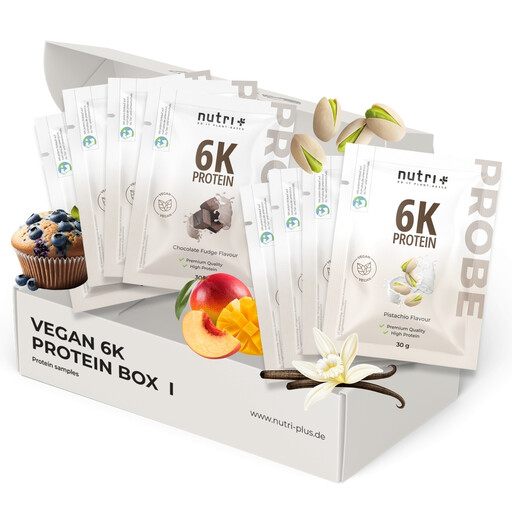
Why this product suits the profile: Eight flavours in individual servings make it easier to choose before buying a larger pack of vegan protein powder.
The sample box reduces the risk of ordering a large pack in a flavour you do not enjoy.
30-g servings, a plant-based protein blend and 25 g of protein per serving according to the product information.
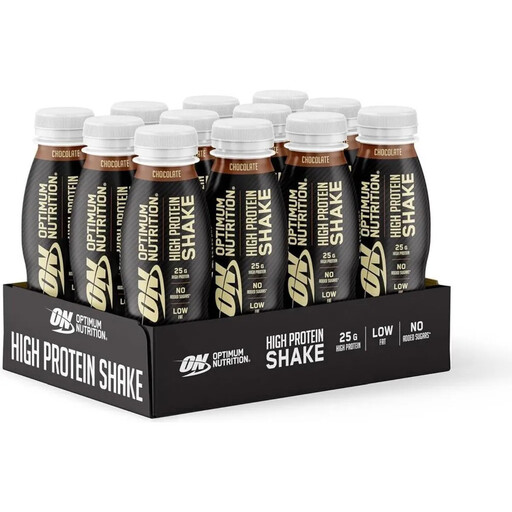
Why this product suits the profile: This ready-to-drink shake provides a clearly defined serving size for training days and work breaks.
The nutritional information applies directly to a 330-ml bottle, so there is no need to calculate the contents of a serving of powder.
25 g of protein per bottle, 185 kcal and 1.0 g of fat according to the product data; milk is listed as an allergen.
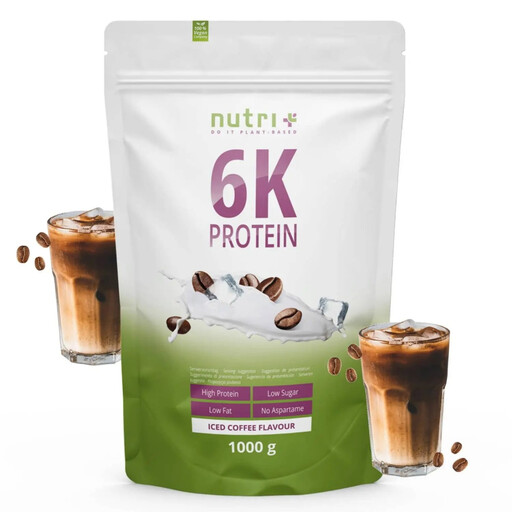
Why this product suits the profile: A 1-kg pack is ideal for regular use at home and can be prepared to suit your preferences, depending on the amount of liquid used.
The ingredients list identifies several plant-based protein sources as well as coffee extract, making the allergens easy to check transparently.
23 g of protein per 30-g serving and preparation with 300 ml of liquid according to the product information.
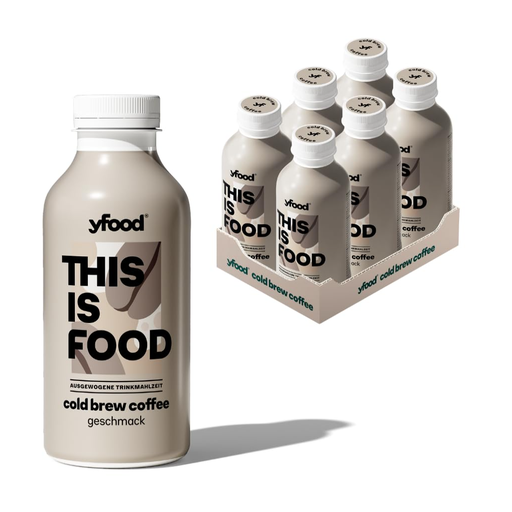
Why this product suits the profile: This 500-ml ready-to-drink product is intended for days out, working days or situations where there is no kitchen available.
The distinction between this drink and a protein shake lies in its calorie and nutrient content: it is designed as a meal replacement.
500 ml per bottle, approximately 500 kcal and 33 g of protein according to the product description; milk and oats are listed as ingredients.
We have put together a complete, regularly updated list of products that fully meet these strict selection criteria and the safety regulations applicable in the EU.
High-protein snacks such as protein bars are ready to eat without any preparation and easy to transport. According to the product data, Corny Protein Crunchy Vanilla & White Choc contains 30 g of protein per 100 g; one bar weighs 45 g. This works out at approximately 13.5 g of protein per bar. At the same time, you should check for polyols, milk, soya and any other declared allergens.
Powder is generally more flexible per serving and can be mixed with water or plant-based drinks. A ready-to-drink shake saves time, but takes up more storage space and incurs different ongoing costs because of its greater packaging volume. If you use these products frequently, compare the price per serving, protein content and pack size.
Follow the best-before date and the manufacturer’s instructions. Store the pack in a dry, cool place and keep it tightly sealed. Moisture can affect the powder’s consistency and usability. If you notice any changes in smell, taste or appearance, do not use the product.
A meal-replacement drink is intended as a practical option for certain everyday situations. It is not automatically a substitute for a varied diet. Check the calorie content, fibre, ingredients and allergens, and consider the product as part of your overall daily diet.
This depends on the price per serving, protein content and how often you use it. Powder is often more economical and requires less storage space. A ready-to-drink protein shake, on the other hand, provides a consistent serving without the need for a shaker or liquid. So do not compare the pack price alone; check the price per serving and the amount of protein provided.