
Lieferung heute & morgen

Qualitätsgarantie

Willkommens-Angebote freischalten: KOSTENLOSE Lieferung | Bis zu 80 % RABATT | Kostenlose 30-Tage-JoyPlus-Testphase
App herunterladen
Anyone who appreciates authentic Japanese noodle soups often faces a bewildering selection when buying instant ramen online. The packaging makes grand promises, but the result in the bowl is frequently disappointing. As a Joybuy Product Recommendation Officer, I'm here to help you avoid the common pitfalls and find products that truly deliver. This guide will show you what to look for to find the perfect ramen for your taste.
Many shoppers invest in products that don't meet their expectations. This is often due to opaque product descriptions and exaggerated marketing claims. Here are two of the most common problems:
To avoid these disappointments, it's crucial to understand the fundamental components of ramen and to interpret product information correctly.
Before you buy ramen, you should check two key aspects. These largely determine the taste, texture, and quality of the Japanese noodle soup.
The broth is the soul of every ramen bowl. Its composition determines the entire character of the dish. Pay attention to the declared type of broth to ensure it matches your preferences. The most common types are:
Check the ingredients list: High-quality products often use pastes or liquid concentrates instead of pure powder, which results in a fuller flavour. Today, vegan ramen or spicy ramen are also available in many of these flavour profiles.
Not all ramen noodles are created equal. The type of noodle affects the mouthfeel and how well it absorbs the broth. There are two main types of instant ramen:
The choice depends on your personal preference: are you looking for a quick and easy meal, or do you value a texture that comes close to what you'd find in a ramen restaurant?
Here are some recommendations tailored to different needs and flavour profiles.
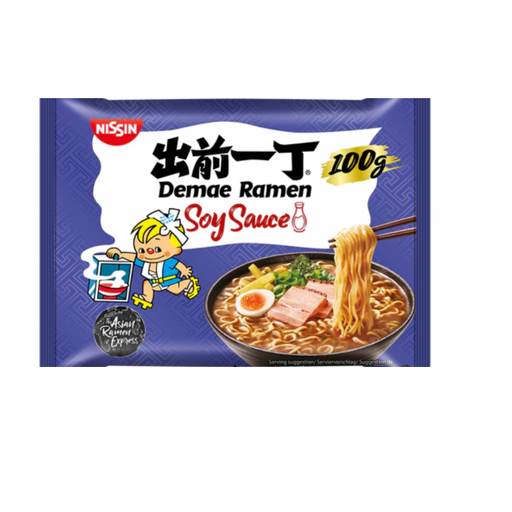
Why This Fits Their Persona: Ideal for students, professionals, or anyone looking for a quick, reliable, and affordable meal. The classic soy sauce flavour is approachable and provides a solid base for your own toppings.
This product doesn't promise more than it is: a simple and tasty shoyu ramen. The packaging is clear, and expectations are met as no elaborate garnishes are suggested.
Very quick preparation (3 minutes). Consistent quality from Nissin Demae, an established brand. Excellent value for money.
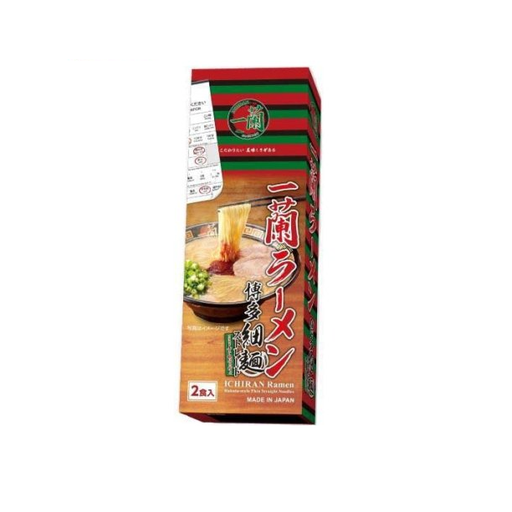
Why This Fits Their Persona: For foodies who want to experience the taste of one of Japan's most famous ramen chains at home. This product aims for a restaurant-quality experience and is ideal for a moment of special indulgence.
Here, a well-known brand, Ichiran Ramen, stands for quality. It doesn't just advertise "authentic taste" but delivers the specific flavour profile of a renowned chain, including a liquid broth concentrate.
Rich Tonkotsu Ramen broth and high-quality, straight noodles. Includes the signature red seasoning powder for an authentic kick of spice.
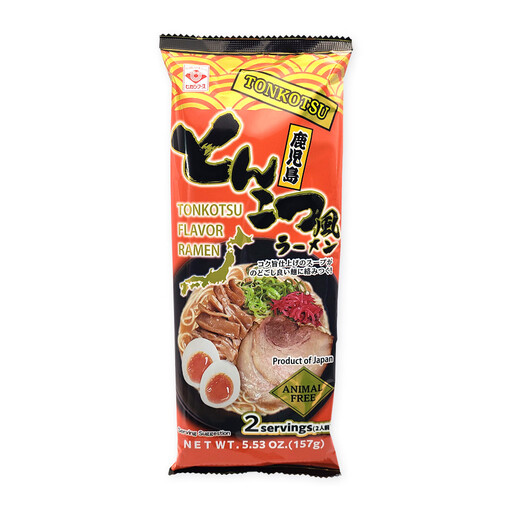
Why This Fits Their Persona: Perfect for those on a plant-based diet who don't want to miss out on the rich and creamy taste of a Tonkotsu broth. An excellent choice for vegan ramen.
The product is clearly declared as "Animal-Free Tonkotsu-Style". It successfully creates the creamy texture and umami flavour without animal ingredients, solving a common problem with vegan broths.
Offers a full-bodied Tonkotsu experience in a purely plant-based version. The broth is rich and not watery. Made in Japan.
We have compiled a complete, real-time list of products that fully satisfy these strict selection criteria and UK safety regulations.
The main difference lies in the preparation method. Ramen is a Japanese noodle soup where the noodles are served in a hot broth. Yakisoba, on the other hand, are fried noodles. When you buy yakisoba, you get noodles that are stir-fried in a wok or pan with vegetables, meat, and a special sweet and savoury sauce. It is not a soup dish.
Even simple instant ramen can be enhanced with a few easy touches. After cooking, add fresh ingredients to boost flavour and nutritional value. Popular additions include:
A higher price often correlates with higher quality ingredients. More expensive products frequently contain non-fried ramen noodles with a better texture and liquid or paste broth concentrates instead of powder. These concentrates offer a greater depth and complexity of flavour that is closer to a freshly prepared broth. Whether the extra cost is worth it depends on your personal standards for the taste experience.