
Lieferung heute & morgen

Qualitätsgarantie

Willkommens-Angebote freischalten: KOSTENLOSE Lieferung | Bis zu 80 % RABATT | Kostenlose 30-Tage-JoyPlus-Testphase
App herunterladen
If you're specifically looking to buy Ramune, you are likely already familiar with this unique Japanese soda. Known for its distinctive bottle with a glass marble stopper, Ramune offers more than just a beverage—it's an interactive experience. The variety of flavours and the special opening method make it a popular product among fans of Japanese culture and curious newcomers alike.
This article serves as an objective guide. It introduces different Ramune varieties, explains their key features, and provides a clear basis for your purchasing decision, without any promotional hype.
Before making a decision, a few objective criteria can help you find the right variety for your tastes.
The range from Hatakosen Ramune and other manufacturers is extensive. The choice depends entirely on personal preference.
The soda with a marble is Ramune's signature feature. The bottle, a Codd-neck bottle, is sealed by a glass marble held in place by the pressure of the carbonation inside. To open it, the marble is pushed into the bottle with an included plunger, where it remains while you drink. This mechanism is not just a design feature but also part of the drink's tradition. Be sure to follow the instructions on the packaging to prevent it from fizzing over.
The standard size for a Ramune bottle is 200 ml. This serving size is ideal for immediate consumption. Some manufacturers now also offer larger formats, such as 500 ml bottles, which are suitable for sharing or for stocking up. When you order Ramune online, check the listed volume to ensure it meets your expectations.
Here is a selection of Ramune products that feature different flavour profiles and characteristics.
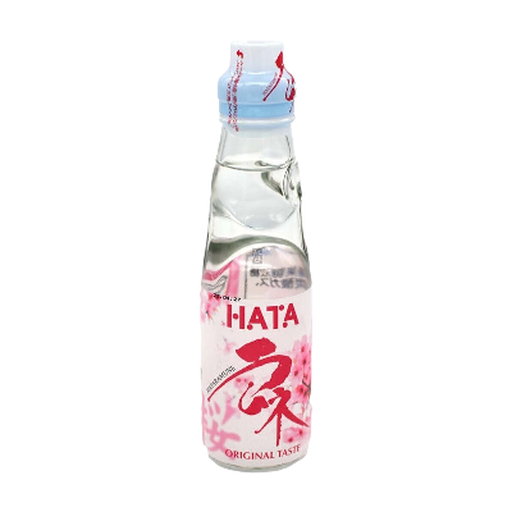
Why this product stands out: This variety is distinguished by its subtle and floral cherry blossom (Sakura) flavour. It captures a culturally significant season in Japan and offers a less sweet, more aromatic taste experience than many fruity varieties.
Pros:
Who is it for?: This product is aimed at consumers who prefer subtle and less intense flavour notes. It's an excellent choice for enthusiasts of Japanese culture who want to experience the taste of the cherry blossom season.
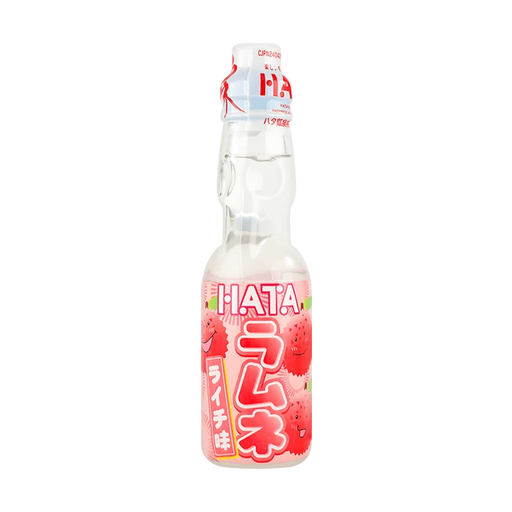
Why this product stands out: The lychee variety from Hata Ramune combines the traditional Ramune experience with a sweet, tropical-fruity taste. Lychee is an internationally popular flavour, making this variety particularly approachable.
Pros:
Who is it for?: Ideal for newcomers to the world of Ramune, as well as for anyone who enjoys sweet and fruity drinks. This flavour is also often popular with children and families due to its sweetness and straightforward taste.
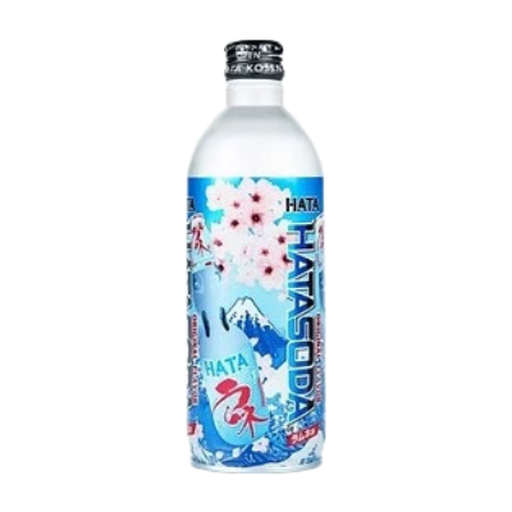
Why this product stands out: This product offers the classic Japan Soda flavour in a larger 500 ml bottle. It departs from the traditional Codd-neck bottle design, instead using a screw cap, which simplifies handling and allows for storage after opening.
Pros:
Who is it for?: This version is intended for buyers who are primarily interested in the flavour and a larger quantity and can do without the marble-bottle experience. It is practical for parties, picnics, or for stocking up at home.
Ramune is a specific type of soda. If you want to broaden your horizons and discover other carbonated beverages from around the world, you may find interesting alternatives in our wider selection.
Explore our full range of Sparkling Water and find more refreshing options.
Opening it requires a few simple steps:
The glass marble is a historical feature of the Codd-neck bottle, which was invented in England in the 19th century. The marble was pressed against a rubber washer in the bottle's neck by the internal pressure of the carbonation, thereby sealing the drink. Although more modern caps exist today, this design has been retained for Ramune because it has become an unmistakable trademark.
The popularity of flavours is subjective and varies by region. The original ("Soda") and strawberry varieties are often considered classic and widely available options that provide a great entry point. Fruity flavours like lychee, melon, and orange are also very popular. Ultimately, the choice depends on individual taste preferences.