
Lieferung heute & morgen

Qualitätsgarantie

Willkommens-Angebote freischalten: KOSTENLOSE Lieferung | Bis zu 80 % RABATT | Kostenlose 30-Tage-JoyPlus-Testphase
App herunterladen
If you want to buy ready-made soups online, you will find a wide selection of instant soups, tinned soups, packet soups and multipacks. However, the differences are not limited to taste and packaging. Portion size, preparation method, allergens and shelf life all determine whether a product is genuinely practical for the office, student accommodation or a family household.
A pack may contain several portions, even if at first glance it appears to be a single meal. With packet soup, it is therefore important to check how much prepared soup one sachet makes. For example, one 46-g sachet of Knorr Feinschmecker French Onion Soup makes 750 ml, which according to the product information is around three 250-ml portions.
With tinned soup, the drained weight or total weight is more relevant. A 400-g container is often suitable for one person or as a side dish, while an 800-g product may be intended for two smaller meals.
An instant soup such as Heisse Tasse or a portioned miso soup usually needs only hot water and a few minutes to stand. A packet soup, on the other hand, may need to be brought to the boil and simmered for a further five to ten minutes. Tinned soups generally only need heating, but may take up more space in your cupboard.
If you want to prepare soup quickly, check the specific instructions carefully: the amount of water, heating time and cookware required are all practical considerations for the office, travelling or small kitchens.
Descriptions such as “creamy”, “homemade” or “gourmet” reveal little about the actual ingredients. Important factors include the proportion of vegetables or meat, salt content, sugar, thickening agents and declared allergens. A cream soup may contain milk ingredients; a mushroom soup may use wheat flour; and a tomato soup may contain celery in its seasonings or natural flavourings.
If you have an intolerance or allergy, always rely on the current labelling on the packaging. Product information in an online shop may change.
For single-person households, individual portions or small packs are often easier to manage. Families and regular soup eaters may find it easier to plan with a multipack such as 6 × 400 g. Do not compare only the pack price. Also consider:
A soup multipack is particularly worthwhile if the flavour is eaten regularly and you have enough dry, cool storage space.
Powdered soups usually require a kettle or saucepan. For tinned soup, a saucepan or microwave-safe bowl is sufficient. With Hikari Instant Miso Soup Enjuku Tofu, one sachet of miso paste and one sachet of garnish are mixed with 160 ml of hot water per portion. This is practical at work, provided hot water is available.
Products containing noodles, additions or thickening ingredients may require longer heating. Follow the instructions and heat the soup thoroughly.
Not every lentil soup is vegetarian: according to the ingredients information, Sonnen Bassermann Hearty Lentil Stew contains sausage and bacon, among other ingredients. Knorr Feinschmecker French Onion Soup, on the other hand, is described as suitable for vegan and vegetarian diets, but contains wheat and celery and may contain traces of egg, milk, mustard and soya, among other allergens.
With Asian products, soya, fish and seaweed are typical ingredients to check. Hikari Miso Soup contains soya and fish through bonito. S&B Instant Aka Miso Soup contains soya; here too, the ingredients list should be checked before consumption.
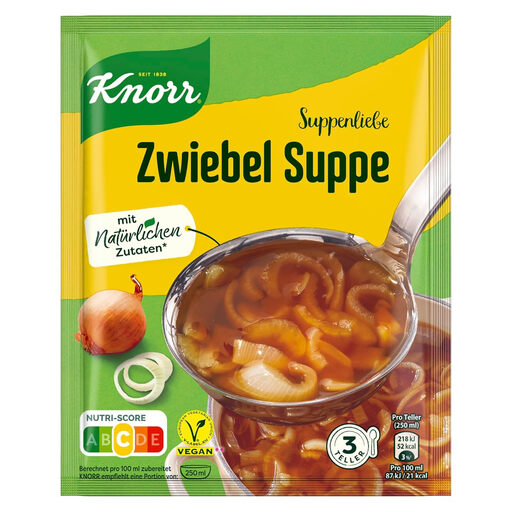
Why this product suits the profile: One sachet makes 750 ml and can be served as a hot starter or divided into several portions. It is prepared in a saucepan with boiling water and simmered for ten minutes.
The prepared quantity is clearly stated. This makes it easier to estimate portions than with an unportioned bulk pack.
Described as suitable for vegan and vegetarian diets; onions make up 40% of the ingredients. Contains gluten and celery.
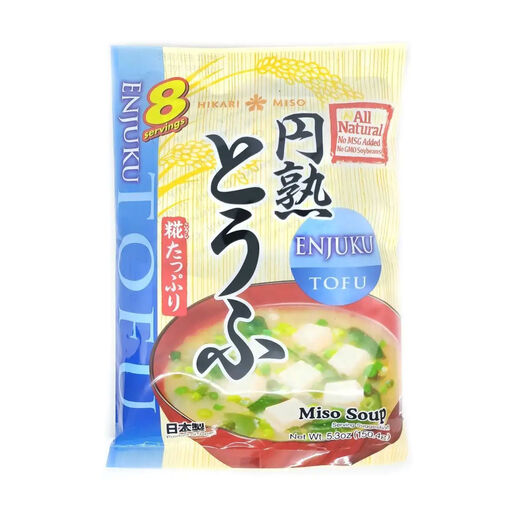
Why this product suits the profile: Eight individually prepared portions with miso paste and tofu garnish provide clear preparation instructions for the office, home or an evening meal.
The number of portions and amount of water are clearly stated. This reduces the risk of ending up with soup that is too thin or too concentrated.
Eight individual portions; prepared with 160 ml of hot water. Contains soya and fish.
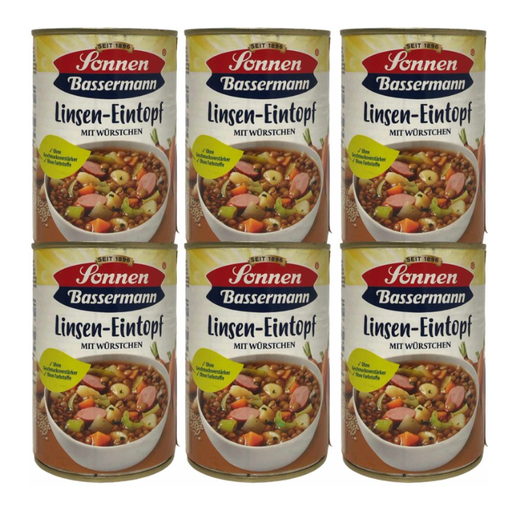
Why this product suits the profile: This six-pack is ideal for households that want to keep a ready-to-heat meal in stock regularly. Each tin contains 400 g.
The pack quantity is clearly stated. Important: the ingredients include sausage and bacon, so this product is not suitable for vegan or vegetarian diets.
Six tins for storing in your cupboard; 30% lentils according to the ingredients information. Contains mustard and may contain traces of other allergens.
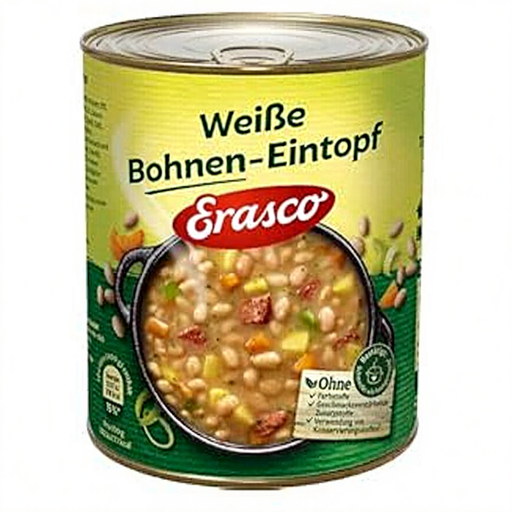
Why this product suits the profile: The 800-g tin is suitable for a filling lunch or evening meal and can be heated in a saucepan or microwave.
The preparation methods are described with specific timings. Once opened, any leftovers should be refrigerated and eaten within two days.
33% white beans and 8.5% potatoes according to the ingredients information; five to seven minutes in a saucepan or four to six minutes in the microwave.
We have put together a complete, regularly updated list of products that fully meet these strict selection criteria and the safety regulations applicable in the EU.
Unopened powdered and tinned soups are generally stored in a dry, cool place away from direct sunlight. The specific best-before date is printed on the packaging. For tins, there is an additional rule: damaged or swollen containers should not be used.
Once opened, tinned soup should be transferred to a suitable container, refrigerated and eaten within the stated time. Individual portions of instant soup should be prepared immediately after opening. If you are building up a stock, place older packs at the front and check them regularly.
Portioned instant soups and miso soups are practical for the office, as they usually require only a cup, hot water and a spoon. Check in advance that the stated amount of water suits your cup and whether the product contains allergens such as gluten, milk, soya or fish.
Shelf life depends on the type of product, its packaging and the best-before date. When stored in a cool, dry place, unopened tinned soups and dry packet soups can usually be kept for longer. Once opened, follow the manufacturer's instructions and keep leftovers in the fridge.
This can only be determined by checking the relevant ingredients and labelling information. An onion soup may be suitable for vegans, while a lentil stew containing bacon or sausage is not vegetarian. Miso soups may also contain fish ingredients such as bonito. Always check the current product packaging before buying and consuming the product.