
Lieferung heute & morgen

Qualitätsgarantie

Willkommens-Angebote freischalten: KOSTENLOSE Lieferung | Bis zu 80 % RABATT | Kostenlose 30-Tage-JoyPlus-Testphase
App herunterladen
A recliner promises a personal retreat for relaxation after a long day. However, the market is filled with models whose quality claims don't always hold up in practice. Before you make a decision, it's crucial to understand the common pitfalls that often lead to disappointment and unnecessary expense. This guide will help you separate the wheat from the chaff.
The most common problems arise from three aspects that are often overlooked during purchase:
To avoid a bad purchase, you should focus your attention on a few key parameters that determine comfort and durability. These objective criteria will help you evaluate a chair's performance beyond marketing claims.
The way the chair adjusts is critical for user comfort. An adjustable chair can feature several types of mechanisms:
Regardless of the type, the stability of the recliner chair in its fully extended position is crucial. The chair must not wobble or give the impression of yielding under load.
The upholstery material determines not only the look but also the feel, breathability, and maintenance requirements.
The cushioning is just as important. Pocket-spring cushioning provides point-by-point support and retains its shape longer than simple foam fillings. Pay attention to a high foam density (specified in kg/m?), as this is an indicator of durability.
A good recliner offers more than just a reclining position. For long-lasting comfort, especially during extended periods of sitting, the following features are relevant:
Instead of making a blanket recommendation, we have identified models that meet the specific needs of different user groups.
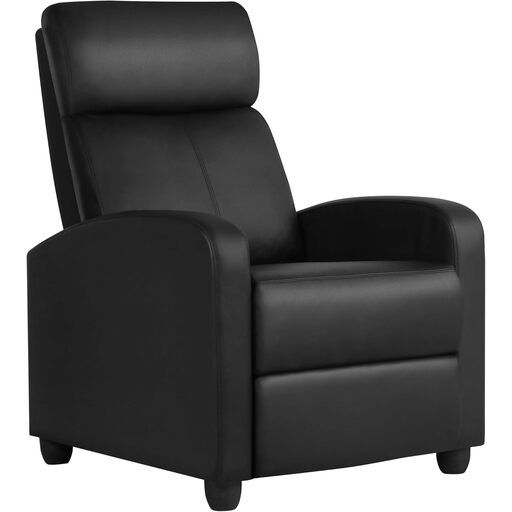
Why This Fits Their Persona: This model focuses on the core functions of a classic TV recliner: comfortable padding and a reliable reclining function. It's a pragmatic choice for the living room or reading nook without breaking the bank.
It sidesteps the unstable mechanism trap with a simple yet robust construction on a composite wood frame. The low-maintenance PU faux leather is resilient, avoiding the rapid wear and tear of cheaper materials.
Good balance of comfort and stability thanks to pocket-spring cushioning. The maximum weight capacity is 120 kg, according to the manufacturer.
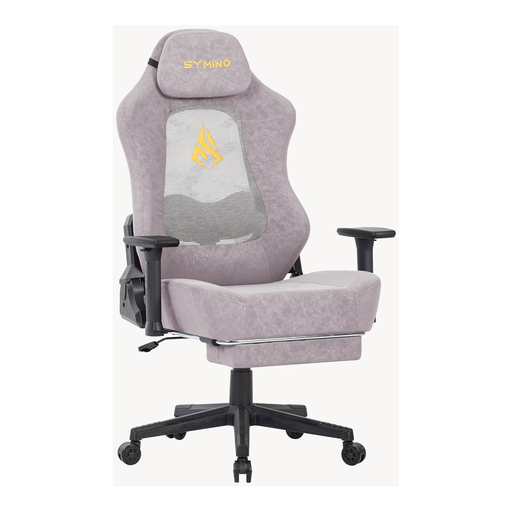
Why This Fits Their Persona: For individuals who sit for many hours at a time, whether for gaming or in the home office. The focus here is clearly on advanced ergonomics and climate comfort to prevent fatigue and overheating.
This model avoids the "one-size-fits-all" ergonomics trap with an adaptive 3D lumbar support and a cut-out mesh backrest, ensuring targeted support and high air circulation.
Wide backrest recline range (90°-155°) plus a 12° rocking function. The weight capacity is above average at 150 kg, according to the manufacturer's specifications.
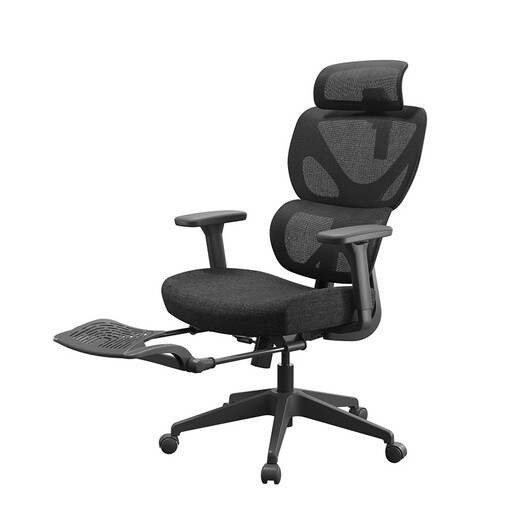
Why This Fits Their Persona: Ideal for users seeking a multifunctional chair that serves as both a focused workstation seat and a recliner for breaks. The integrated footrest makes it a space-saving, all-in-one solution.
This model combines the stability of an office chair with the relaxation function of a recliner. The integrated footrest is part of the overall design, not a wobbly add-on, thus avoiding the unstable mechanism trap.
An elastic lumbar support, swivel armrests and headrest, and a retractable footrest offer a high degree of individual customisation for both work and relaxation.
We have compiled a complete, up-to-date list of products that fully meet these strict selection criteria and German safety regulations.
Caring for PU faux leather is straightforward. Regularly wipe the surface with a soft, slightly damp cloth to remove dust and light dirt. For tougher stains, a mild soap solution can be used. It is important to avoid aggressive chemical cleaners, solvents, or abrasive agents, as these can damage the material.
The lifespan heavily depends on the quality of the frame, mechanism, and upholstery material, as well as the intensity of use. A model with a solid metal or solid wood frame and a high-quality adjustment mechanism can last 7 to 10 years or more with normal use. The cover is often the first component to show signs of wear, especially with lower-quality materials.
No, the power consumption is generally very low. Electric recliners only consume energy when the motors are active to adjust the sitting or reclining position. In its resting state, consumption is minimal and comparable to the standby mode of other household appliances. The annual electricity costs for operation are therefore negligible.