
Lieferung heute & morgen

Qualitätsgarantie

Willkommens-Angebote freischalten: KOSTENLOSE Lieferung | Bis zu 80 % RABATT | Kostenlose 30-Tage-JoyPlus-Testphase
App herunterladen
When you set out to buy red beans, you're faced with a wider selection than you might first expect. The term "red bean" is a catch-all for various types that differ significantly in taste, texture, and ideal use. Choosing the wrong product can lead to your chili con carne having an unexpectedly sweet note or your Asian dessert failing to achieve the desired consistency. To avoid such mishaps, it's helpful to know the most common pitfalls.
Many shoppers underestimate the preparation time required for dried beans or select a variety that doesn't suit their recipe. Another point of concern is the quality of canned beans, which can often contain high amounts of salt or added sugar. This guide will help you navigate these hurdles and find the perfect product for your culinary project.
To find the right red beans, you should consider three key parameters. These will help you objectively evaluate product features and make an informed decision.
Not all red beans are created equal. The variety is the primary factor determining the final result of your cooking.
The choice between dried beans and canned beans is a decision between effort and convenience.
For health-conscious consumers, other factors come into play.
Here are some product recommendations tailored to specific needs and use cases.
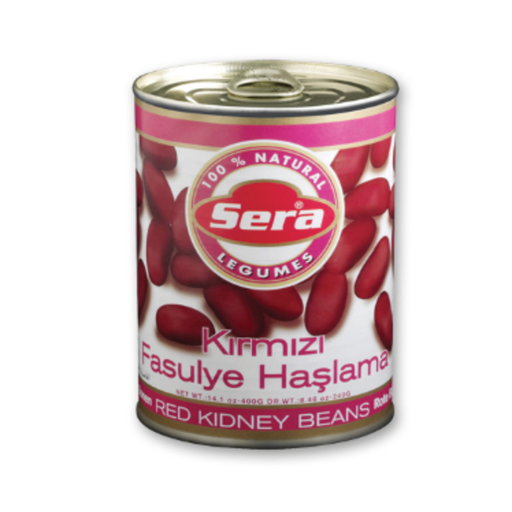
Why it's a great fit: These pre-cooked kidney beans are ready to use instantly, making them perfect for spontaneous, quick meals like chili, stews, or salads. Ideal for anyone with limited time for weeknight cooking.
It eliminates the significant time required for soaking and cooking dried beans, a common barrier to preparing legumes.
Maximum time savings and a reliable, firm texture for classic dishes.
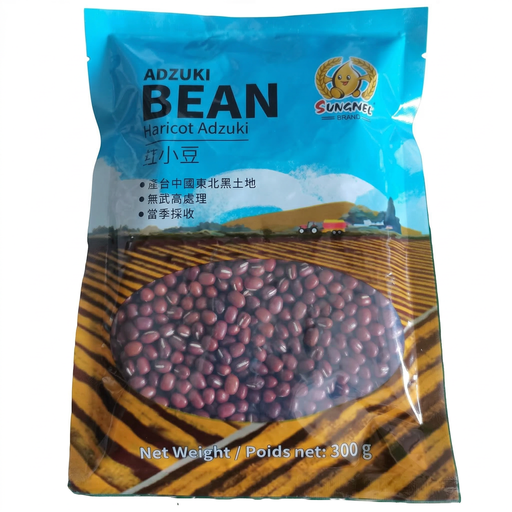
Why it's a great fit: These dried adzuki beans are the authentic foundation for making sweet red bean paste (Anko). Their sweetish aroma and tender texture after cooking are crucial for the success of traditional Asian desserts.
It ensures the correct bean variety is used for desserts, preventing the unsuitable result that would come from using savory kidney beans.
Enables the creation of an authentic Asian red bean paste with the ideal consistency and depth of flavour.
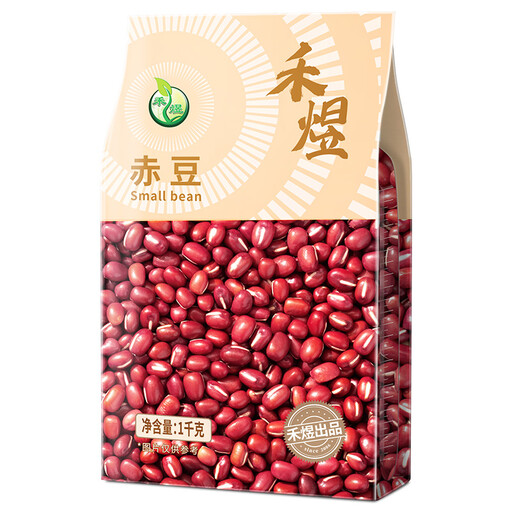
Why it's a great fit: This 1kg bulk package of dried red beans offers excellent value for money for anyone who uses beans regularly. It allows for full control over salt content and preparation.
It's a cost-effective alternative to repeatedly buying smaller, more expensive cans and avoids the often high salt content of ready-made products.
High cost-efficiency for pantry stocking and the ability to prepare dishes without unwanted additives.
We've compiled a complete, up-to-date list of products that meet these selection criteria.
Yes, it is generally recommended to rinse canned or jarred beans in a sieve under clear water before use. This removes the starchy packing liquid (aquafaba) and reduces the salt content, resulting in a cleaner flavour in your dish.
The main difference lies in their size, taste, and texture. Kidney beans are large, kidney-shaped, and hold their form even after long cooking times, making them ideal for hearty stews and chili. Adzuki beans are smaller, rounder, have a sweeter taste, and break down more easily, which is why they are excellent for making sweet purées and pastes for Asian desserts.
When stored correctly in a cool, dry, and dark place, ideally in an airtight container, dried red beans have a virtually indefinite shelf life. However, for optimal quality and shorter cooking times, it is recommended to use them within one to two years.