
Lieferung heute & morgen

Qualitätsgarantie

Willkommens-Angebote freischalten: KOSTENLOSE Lieferung | Bis zu 80 % RABATT | Kostenlose 30-Tage-JoyPlus-Testphase
App herunterladen
If you're looking to buy red beans online, you'll find a range of different products: dried pulses, cooked beans in sugar syrup, ready-made red bean paste and sweets such as mochi with red bean filling. However, the labelling isn't always clear. For Japanese and Chinese desserts, adzuki beans are commonly used, whereas red kidney beans are better suited to savoury dishes.
To avoid buying the wrong product in Germany, it's worth checking the ingredients, preparation method, storage requirements and intended use.
Adzuki beans are relatively small, dark red beans with a fine skin. They are traditionally used in sweet preparations such as anko, dorayaki, daifuku or oshiruko. Larger red kidney beans have a different shape and texture and are better suited to soups, stews, salads or rice dishes.
If you're looking for red beans for desserts, you should check the exact name and ingredients list. Terms such as 'Red Adzuki Beans', 'Sweet Red Bean' or 'Red Bean Paste' tend to indicate a dessert use. 'Red Kidney Beans' are not automatically a substitute for adzuki beans.
Dried red beans are versatile, but they take time. Depending on the product, they need to be soaked for several hours and then boiled until completely soft. They should not be eaten raw or undercooked. Ready-made bean paste and red beans in sugar syrup, on the other hand, are ready to use straight away, but usually contain sugar or sweeteners.
So the practical question is: do you want to control the sweetness and consistency yourself, or do you want to start making a dessert straight away?
Mochi, glutinous rice balls and filled pancakes can be ready to eat, frozen, or intended only for reheating. A product with a red bean filling is not automatically stable at room temperature. Instructions such as 'store at -18 °C', 'refrigerate after opening' or 'do not refreeze' should be noted before purchase.
Ready-made red bean paste typically centres on sugar, red beans and water. Additional ingredients may include oil, starch, maltose syrup, preservatives or acidity regulators. For the simplest recipe possible, it's worth comparing the ingredients list.
Products also differ in consistency:
Small packs of 180 to 250 g are suitable if you want to try out a recipe first or only make Asian desserts occasionally. A pack of 400 to 500 g gives you more flexibility for multiple fillings and toppings. For households that regularly cook soups, porridges or desserts, dried red beans in a 1 kg pack can be more economical.
Once a product is opened, the manufacturer's instructions are key. Paste and beans in syrup usually need to be refrigerated after opening and used within the stated time.
The information on the product page or packaging should be checked against your own needs. For pure bean products, no allergens are listed in the product information provided. Filled pastries and mochi, however, may contain soya, wheat, milk, egg, sesame or traces of other allergens.
The nutritional values also differ significantly: dried beans naturally contain less sugar per 100 g than sweetened paste or ready-made sweets. Always refer to the information on the specific packaging.
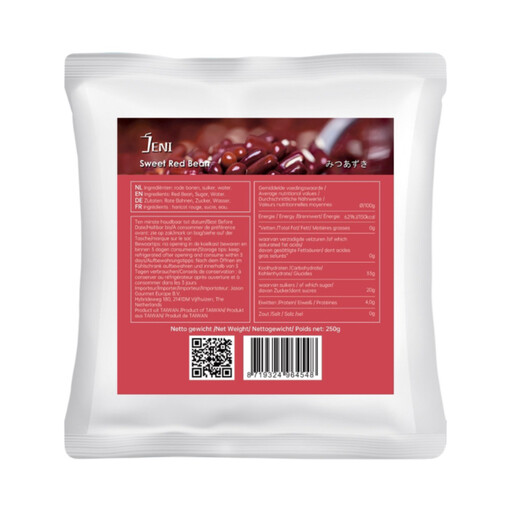
Why this product suits the profile: This ready-to-use blend of red beans, sugar and water is ideal for getting started with Japanese sweets and Asian desserts, without needing to soak and cook the beans first.
The ingredients list is short and the paste is ready to use. This eliminates the often underestimated preparation effort of dried beans.
250 g pack size; suitable as a filling for mochi and pancakes, and as a topping for ice cream or shaved ice.
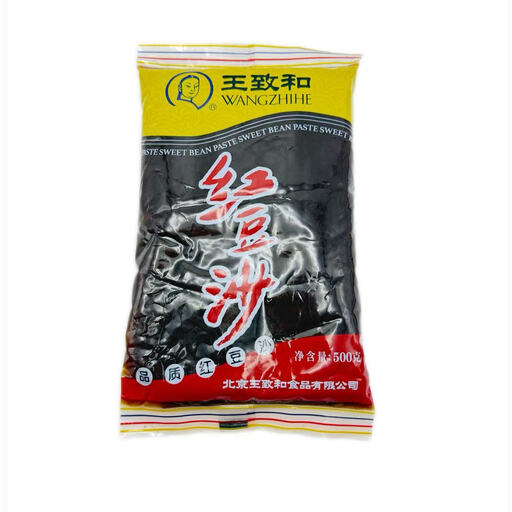
Why this product suits the profile: According to the product information, this smooth, sweetened paste is ready to use and intended for classic fillings in pastries, dumplings, tangyuan and mooncakes.
The product description lists the ingredients, nutritional values, storage and use. Refrigerated storage is required after opening.
500 g content; 53 g carbohydrates and 30 g sugar per 100 g according to the product information.
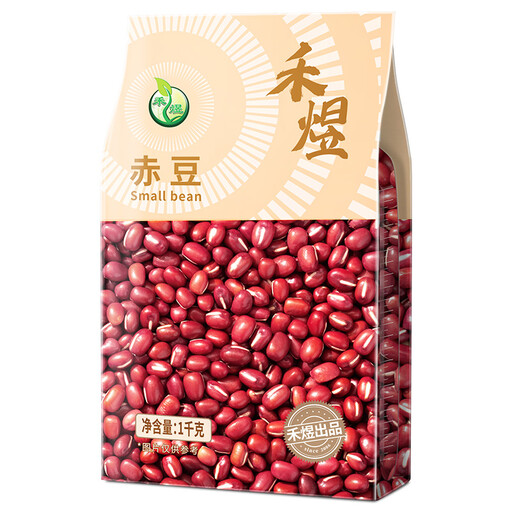
Why this product suits the profile: The 1 kg pack is aimed at households that want to use red beans regularly for soups, porridges, desserts or homemade paste.
The product information explicitly states that washing and cooking are necessary. This prevents the product from being mistakenly bought as a ready-to-eat paste.
100 % red beans according to the ingredients list; 21 g protein per 100 g according to the nutritional table.
We've put together a complete, regularly updated list of products that fully meet these strict selection criteria and the safety regulations in force in the EU.
For dried beans, start by washing them thoroughly. For products with relevant manufacturer instructions, the beans should be soaked for at least several hours, then rinsed and boiled in fresh water until completely soft. The exact cooking time depends on the variety, age and desired consistency.
For desserts, cooked adzuki beans can be processed with sugar into a coarse or fine red bean paste. Ready-made products can be used for, among other things:
For frozen products such as glutinous rice balls, follow the preparation instructions on the packaging. A safe alternative to experimenting is to choose a pre-cooked or ready-to-use variety.
No. Adzuki beans are smaller beans that are often used in sweet Asian dishes. Red kidney beans are larger and are mainly used in savoury dishes. For red bean paste or mochi, the product name should explicitly indicate adzuki beans or a dessert paste.
Unopened dried beans can be stored for a long time in a dry, clean place away from direct sunlight. The specific best-before date is on the packaging. Once opened, paste, cooked beans and beans in sugar syrup should be kept in the fridge according to the manufacturer's instructions and used promptly.
For spontaneous desserts, ready-made paste or a ready-to-use bean product is more practical. Dried beans, on the other hand, give you more control over sweetness, consistency and recipe, but require soaking and cooking time. The right choice therefore depends on your planned usage and the preparation effort you're willing to put in.