
Lieferung heute & morgen

Qualitätsgarantie

Willkommens-Angebote freischalten: KOSTENLOSE Lieferung | Bis zu 80 % RABATT | Kostenlose 30-Tage-JoyPlus-Testphase
App herunterladen
If you want to buy red dates, you will find a wide range of names online, including jujube, Chinese dates, Xinjiang dates and winter jujube. Although these products look similar, they can differ in their ingredients, whether they contain stones, texture, pack size and preparation method. To make the right choice, it is worth looking beyond terms such as “premium” or “natural sweetness” and checking the product information on the packaging.
Red dates naturally contain carbohydrates and sugar. Depending on the product, the nutritional tables provided give figures ranging from 37.8 to 66.5 g of sugar per 100 g, for example. Processed products may also contain added sugar, syrup or other ingredients.
It is therefore essential to check the ingredients list:
Crispy dates are often made using vacuum or low-temperature processing. This significantly changes their texture. They may also contain oil and therefore more fat. For example, the Haoxiangni Crispy Red Dates list palm oil among their ingredients; Sihong Crispy Date lists red dates, edible vegetable oil and salt.
If you are looking for a soft, chewy ingredient for tea, soups or porridge, you should therefore avoid choosing a crispy snack variety.
Some Chinese dried fruits are pitted dates and can be eaten straight away. Other products still contain stones or need to be washed and cooked before eating. The instructions are particularly important with larger family packs.
Jujube with stones may take longer to prepare for tea and soups. Pitted dates are usually more practical for children or when you are out and about. You should only assume that a product is completely stone-free if this is stated on its specific label.
Products whose ingredients list contains only jujube or red dates are suitable for vegans and vegetarians. According to the product information, Changsi Xinjiang Jujube Jun Zao consists of jujube. Changsi Ejiao Royal Jujube, on the other hand, contains ingredients including sucrose, glucose syrup and donkey-hide gelatine. This product is therefore not suitable for a vegan or vegetarian diet.
Medical or therapeutic effects cannot be inferred from descriptions such as “healthy”, “nutritious” or “traditional”. The ingredients list and nutritional table remain the key sources of information.
The texture determines how best to use the product:
Also look out for instructions such as “ready to eat” or “cook before eating”. According to the product description, HEYU Premium Jujube must be washed thoroughly and cooked before consumption and should not be eaten raw.
Small packs of around 90 to 280 g are ideal if you want to try a variety first or take dates with you as a snack. For regular preparation, 454 g, 500 g, 800 g or 1 kg packs are often more practical.
Dried fruit should be stored in a cool, dry place away from direct sunlight. Once opened, an airtight container is recommended. Moisture can alter the texture; with crispy products, this causes them to lose their desired crunch.

Why this product suits this profile: The 280 g pack is a manageable introduction to the product. The ingredients list states 100% jujube, and according to the product information, the dates are pitted and ready to eat.
The ingredients declaration makes it clear that added sweeteners or oils are not hidden ingredients in the recipe.
100% jujube according to the declaration, pitted and suitable for snacks, tea, soups or desserts.
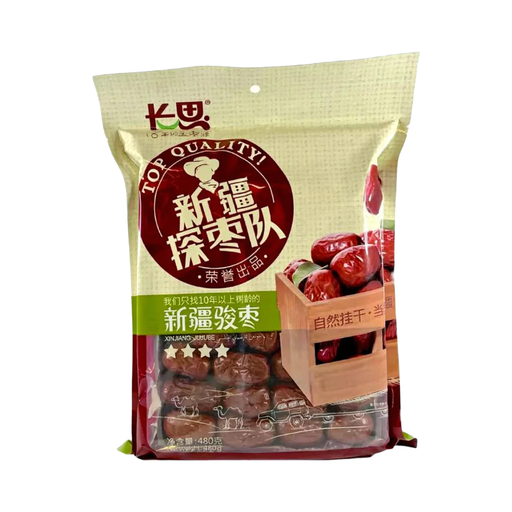
Why this product suits this profile: The Xinjiang dates are described as having a firm texture and natural sweetness. At 480 g, the pack is suitable for repeated use in breakfasts and desserts.
The product details list jujube as the only ingredient and indicate a firm rather than crispy texture.
100% jujube according to the ingredients list, suitable for eating straight away as well as for porridge, baking and desserts.
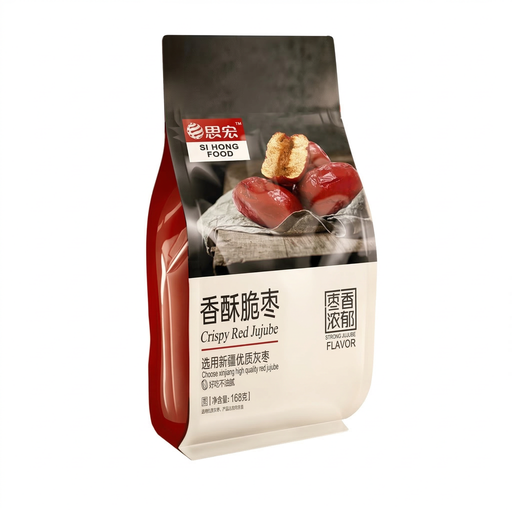
Why this product suits this profile: Its described crispy texture and individually wrapped portions are ideal for shoppers who want to enjoy Chinese dried fruit conveniently while out and about.
The ingredients list explicitly mentions edible oil and salt. This makes it easier to put the higher energy density into perspective compared with plain dried fruit.
Crispy processing, a 168 g pack and individually wrapped portions according to the product information.
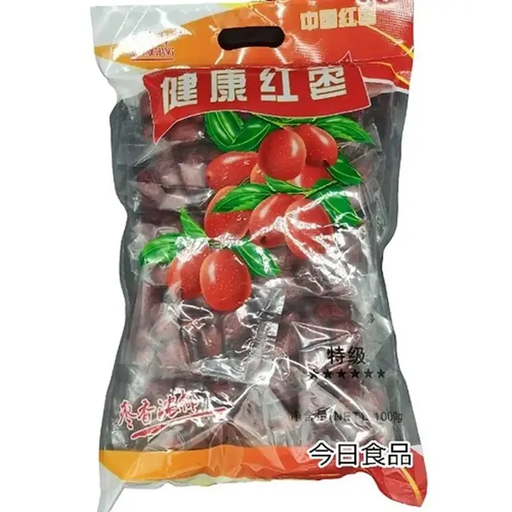
Why this product suits this profile: The 1 kg pack is designed for regular cooking and baking. According to the product information, the dates consist of 100% dried red dates.
The large pack makes sense if you genuinely use the dates regularly for tea, soups, porridge and desserts.
1 kg contents, 100% dried red dates according to the declaration, and versatile uses.
In the German market, red dates are often referred to as jujube or Chinese dates. In this context, the term usually means the fruit of the jujube tree rather than the classic fruit of the date palm. The exact variety, such as Xinjiang jujube or winter jujube, can affect the flavour and texture.
For dates for tea and soups, plain dried jujube with soft or firm fruit is suitable. Products such as Healthy Red Dates Medium Grain 1 kg and HUASEED Golden Silk Jujube 454 g are recommended for tea, soups and porridge according to the product information. For products with stones, be aware of the required preparation and check whether cooking is necessary.
The specific best-before date is shown on the relevant packaging. Once opened, red dates should be stored in a dry, cool place in an airtight container. Crispy dates need particular protection from moisture, while soft pitted dates can become sticky or dry if stored incorrectly.