
Lieferung heute & morgen

Qualitätsgarantie

Willkommens-Angebote freischalten: KOSTENLOSE Lieferung | Bis zu 80 % RABATT | Kostenlose 30-Tage-JoyPlus-Testphase
App herunterladen
The online selection of red wines is vast and can quickly become overwhelming. Those looking to buy red wine online often face the challenge of making the right choice from hundreds of bottles. This process is fraught with common pitfalls that can lead to disappointment in the glass. This guide will help you distinguish marketing hype from genuine quality markers and find a wine that truly meets your expectations.
Before diving into grape varieties and regions, it's helpful to understand the typical mistakes that often lead to an unsatisfying purchase.
To find a suitable red wine, you should focus on a few objective criteria. These will help you correctly interpret product descriptions and make an informed decision.
The grape variety is the primary determinant of a wine's character. Each variety has a typical aroma profile.
The designation of origin provides information about the geographical source, permitted grape varieties, and production methods.
The indication of the flavour profile is legally regulated and refers to the residual sugar content.
Here are some recommendations tailored to different needs and occasions that meet the quality criteria mentioned above.
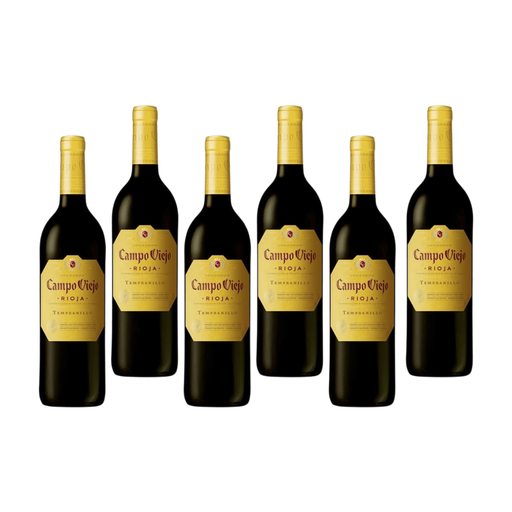
Why This Fits Their Persona: Ideal for anyone looking for a reliable and flavourful wine for daily enjoyment or social gatherings. The red wine case offers excellent value for money from an established brand.
It bypasses the trap of unknown brands by relying on the guaranteed quality of a DOCa region and a well-known producer. The flavour is clearly defined and dependable.
Balanced profile with notes of red fruits and spices. Versatile with tapas, pasta, or simply on its own.
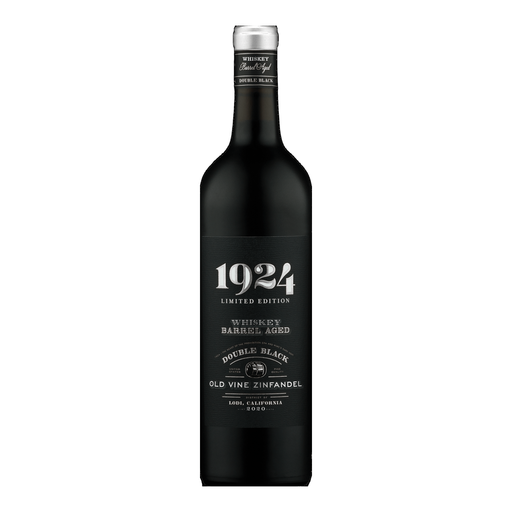
Why This Fits Their Persona: Perfect for lovers of wines with a strong character, suitable as a wine for barbecues or with a hearty roast. Ageing in former whiskey barrels gives it a distinctive note.
The high alcohol content of 15.0% ABV is not accidental but the result of ripe grapes and a deliberate vinification process aimed at power and spice. The complexity comes from barrel ageing, not just the alcohol.
A full-bodied red wine with intense aromas of blueberries and herbs. The maturation in whiskey barrels provides a special spice and depth.
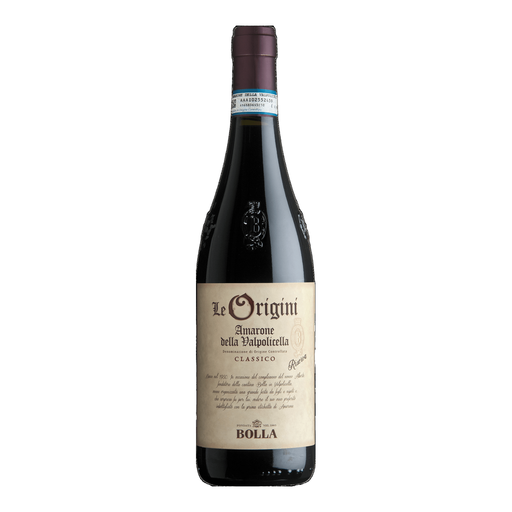
Why This Fits Their Persona: For wine connoisseurs seeking an exceptional Italian wine for a special occasion or as a meditation wine. An Amarone Riserva is a statement of quality and tradition.
The terms "Amarone," "Classico," "Riserva," and "DOCG" are not empty marketing buzzwords here, but legally protected guarantees for a complex production process (Appassimento) and a long ageing period.
Enormous aromatic diversity, from wild cherries and jam to vanilla and chocolate. A full-bodied, complex, and harmonious wine with great ageing potential.
We've curated a complete, up-to-date list of products that fully meet these strict selection criteria and UK regulations.
1. How do I store red wine correctly after purchase? For long-term storage, a cool, dark place with a constant temperature (ideally 12–16 °C) and a horizontal position is optimal to keep the cork moist. For short-term consumption within a few weeks, a cool cupboard away from heat sources and direct light is sufficient.
2. What exactly does "dry red wine" mean? A dry red wine has a low residual sugar content. According to EU law, a wine can be labelled "dry" if its sugar content does not exceed 4 g/l. An exception allows up to 9 g/l, provided the total acidity is no more than 2 g/l below the residual sugar content. In terms of taste, this means that sweetness is not the dominant characteristic.
3. What is the ideal drinking temperature for a full-bodied red wine? A full-bodied red wine like a Cabernet Sauvignon or an Amarone best unfolds its aromas at a temperature between 16 and 18 °C. If the wine is too cold, the tannins seem harsh and the aromas are muted. If it is too warm, the alcohol becomes too prominent.