
Lieferung heute & morgen

Qualitätsgarantie

Willkommens-Angebote freischalten: KOSTENLOSE Lieferung | Bis zu 80 % RABATT | Kostenlose 30-Tage-JoyPlus-Testphase
App herunterladen
When you buy red wine online, you're faced with a huge selection. It can quickly become overwhelming. Many labels and descriptions sound tempting, but not every wine delivers on its promise. As your Joybuy Product Recommendation Officer, I'll help you filter the essential information and avoid common pitfalls so you can make an informed decision.
A common mistake is to be swayed by elaborately designed labels or unrealistically high discounts on a so-called red wine deal. An artistic design says nothing about the quality of the contents. Similarly, a high discount on an unknown wine can simply be a marketing tool to sell an inferior product. Another pitfall is vague flavour descriptions. Terms like "velvety" or "full-bodied" are subjective and not very helpful when you're looking for specific aromas.
To avoid disappointment, you should focus on objective criteria. These three parameters are crucial for the quality and character of a wine.
The grape variety determines a wine's fundamental aroma profile. Instead of relying on general descriptions, knowing the variety provides a clear direction.
fruity red wine that is well-suited for beginners and as a versatile food companion.dry red wine.The designation of origin on the label is more than just a geographical reference. It's a guarantee of specific production standards and regional character.
Italian red wine with this designation comes from a specific region in Italy. The regulations are less strict than for DOC or DOCG, giving winemakers more freedom for creative blends while still guaranteeing a geographical origin.Pay attention to specific details about the flavour profile. A dry red wine is legally defined and, in Germany, may contain a maximum of 9 grams of residual sugar per litre (under certain acidity conditions). Look for specific aromas in the description, such as "notes of dark berries," "a hint of vanilla from barrique ageing," or "peppery spice." These details provide a much clearer idea of the wine than generic platitudes.
Here are some recommendations tailored to different needs and flavour profiles.
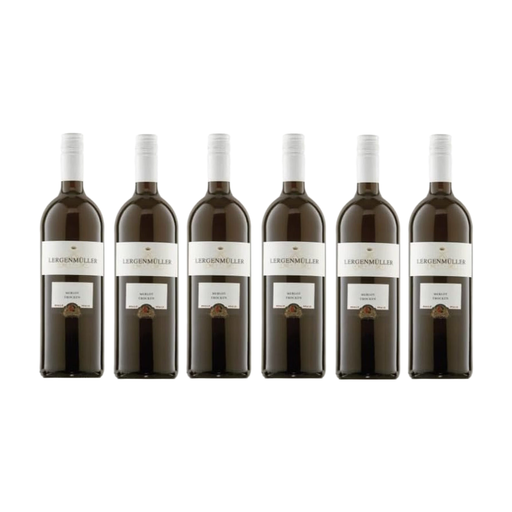
Why This Fits Their Persona: Ideal for those seeking a straightforward and reliable wine for daily enjoyment or social gatherings. The 1-litre bottle in a case of 6 red wine offers excellent value for money and ensures a good bottle is always on hand.
Instead of relying on a flashy label, this wine focuses on clear facts: its origin in the Palatinate region, the Merlot grape variety, and a practical screw cap. The value lies in the quantity and the reliable quality from a well-known German winemaker, not in a questionable discount.
Juicy and clear with aromas of black cherry and pastry. A versatile companion to many dishes or simply enjoyed on its own.
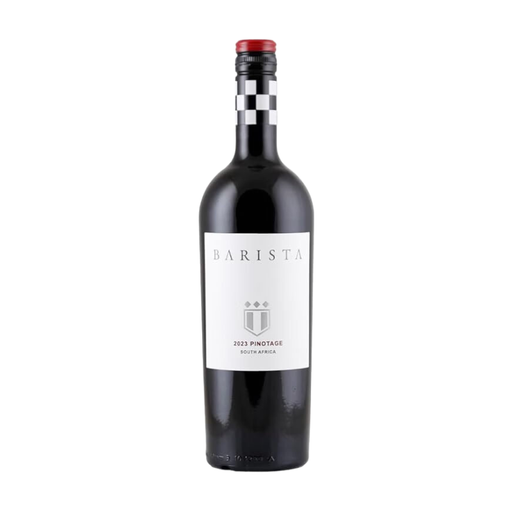
Why This Fits Their Persona: Perfect for wine lovers who enjoy looking beyond the European classics. This wine from South Africa offers a unique flavour profile shaped by the distinctive Pinotage grape, presenting an exciting alternative to traditional varieties.
The description is precise and avoids vague marketing terms. It names specific aromas like Cranberries, Espresso, Mocha-Chocolate, and Vanilla, which create clear expectations and highlight the wine's uniqueness.
A unique aroma profile with notes of coffee and chocolate. Ageing in French barriques lends it additional complexity and a spicy, long finish.
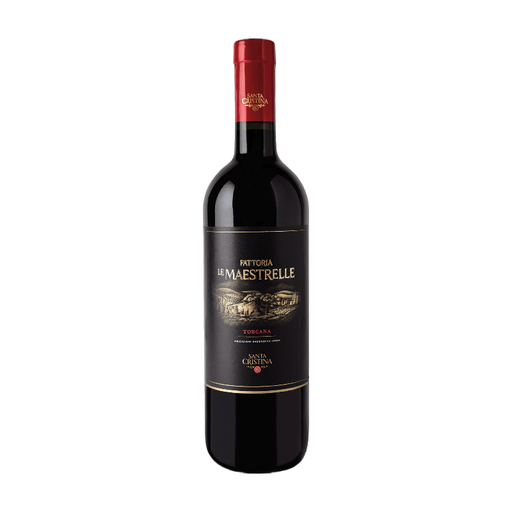
Why This Fits Their Persona: For connoisseurs who appreciate a classic Italian red wine with finesse and history. This wine from Tuscany comes from a renowned producer and embodies the elegance and character of this world-famous wine region.
The quality is based on its origin (Toscana IGT) and the reputation of the Santa Cristina winery, which has stood for tradition since 1946. The description lists the grape varieties (Sangiovese, Merlot, Syrah) and specific aromas like juniper berry and mint.
Balanced, soft, and flavourful on the palate. A complex aftertaste that mirrors the aromas on the nose, making it a sophisticated food companion.
We have compiled a complete, up-to-date list of products that fully meet these strict selection criteria and comply with German regulations.
In the EU, a red wine is considered dry if its residual sugar content does not exceed 4 grams per litre. Alternatively, it can have up to 9 grams per litre of residual sugar, provided the total acidity is no more than 2 grams per litre lower than the residual sugar content. This regulation ensures that the wine tastes balanced on the palate, not sweet.
After opening, the wine begins to oxidise due to contact with oxygen. A tightly re-sealed bottle of red wine, stored in a cool, dark place (ideally the refrigerator), will typically last for 3 to 5 days. Bolder wines with more tannins tend to last slightly longer than lighter, fruitier ones.
Ordering a case of 6 red wine can be worthwhile for several reasons. Often, the price per bottle is lower than buying individually. Additionally, you'll always have a supply of your favourite wine on hand, whether for spontaneous enjoyment or when guests arrive. It's also a great way to taste a new wine over several occasions and discover its full potential.