
Lieferung heute & morgen

Qualitätsgarantie

Willkommens-Angebote freischalten: KOSTENLOSE Lieferung | Bis zu 80 % RABATT | Kostenlose 30-Tage-JoyPlus-Testphase
App herunterladen
The right shelf in the supermarket or the endless selection in an online shop can complicate the search for the perfect red wine. Those looking to buy red wine online are often faced with a flood of options, with labels and descriptions that promise more than the contents deliver. As your Joybuy Product Recommendation Officer, I'll help you navigate the common pitfalls and make an informed decision that suits your taste and occasion.
Before we dive into the details, it's important to be aware of three common marketing traps that often lead to disappointing purchases:
To find a red wine that you'll enjoy, you should focus on objective criteria. The following three parameters are crucial for your selection.
The grape variety determines a wine's fundamental aroma profile. A Merlot is often softer and more approachable with notes of plum and cherry, while a Shiraz (or Syrah) is typically a full-bodied red wine with aromas of dark berries, pepper, and spices.
The origin further shapes its character. A French red wine from Bordeaux differs significantly from an Italian red wine like a Primitivo from Puglia or a classic Chianti from Tuscany. Look for protected designations of origin (e.g., AOC in France, DOCG in Italy), as these represent defined quality standards.
The description on the label provides an initial orientation. A dry red wine isn't sour; rather, it has a low, legally defined residual sugar content. This means the grapes' sugar has been almost completely converted into alcohol. Wines with higher residual sugar are described as off-dry, medium-sweet, or sweet.
A fruity red wine doesn't have to be sweet; it is characterised by intense aromas of fruits like cherries, berries, or plums. The balance between fruit, acidity, and tannins determines the overall experience.
The alcohol content, stated in percent by volume (% ABV), is a good indicator of a wine's "body."
Here are some recommendations tailored to different profiles and needs, taking the above criteria into account.
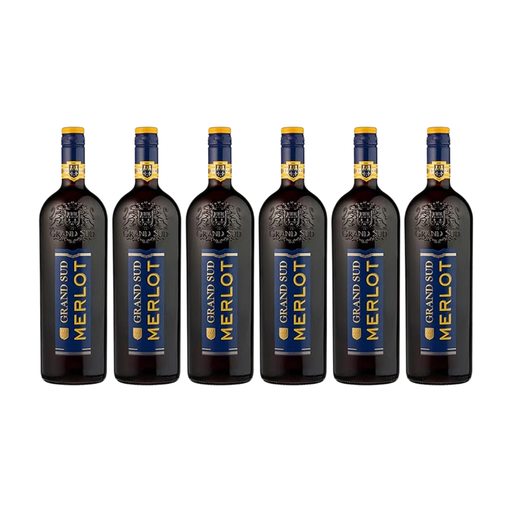
Why this wine is a great fit: Perfect for stocking up and for social gatherings. This Merlot is straightforward, smooth, and fruity. The 1-litre bottle in a red wine case offers excellent value for everyday enjoyment.
This wine avoids the flashy label trap. It focuses on clear, reliable quality from the well-known Pays d'Oc region rather than dazzling with an elaborate design.
Smooth, fruity profile with soft tannins. A versatile companion to many dishes or simply on its own.
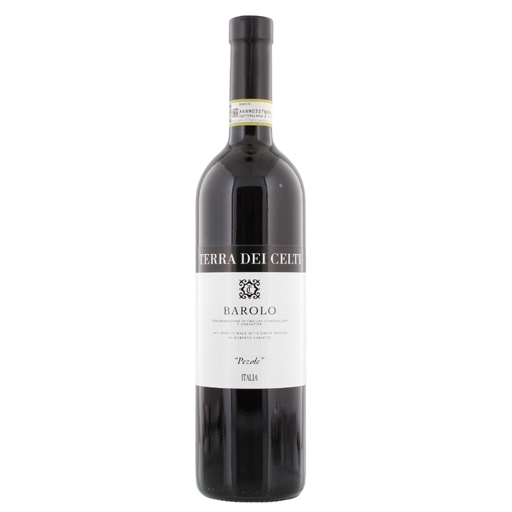
Why this wine is a great fit: For special occasions and lovers of structured, complex wines. This Barolo is a prime example of a great Italian red wine, ideal with hearty meat dishes or as a "meditation wine."
This wine sidesteps the trap of misleading terms. The Barolo DOCG classification is Italy's highest quality level, guaranteeing its origin, grape variety (Nebbiolo), and strict production methods.
Powerful, rich, and generous flavour with intense fruit aromas and a fine spiciness. A wine with depth and complexity.
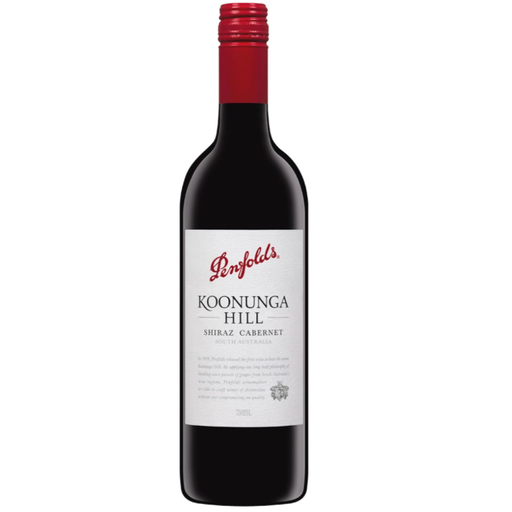
Why this wine is a great fit: For anyone seeking a full-bodied and complex red wine. This Australian blend of Shiraz and Cabernet Sauvignon offers a rich bouquet of dark berries, spices, and herbs. A full-bodied red wine for barbecues or hearty dishes.
This wine debunks the price myth. Penfolds is a brand known for consistently high quality. Koonunga Hill offers an accessible entry point into the winery's style at an approachable price, without sacrificing character.
Juicy, full-bodied, and complex with notes of blackberry, malt, and cocoa. Well-balanced with fresh acidity and good ageing potential.
We have compiled a complete, up-to-date list of products that fully meet these strict selection criteria and UK regulations.
A dry red wine has a low level of residual sugar. In Germany, for example, the law states it can have a maximum of 9 grams of residual sugar per litre, with certain conditions related to acidity. Essentially, it means the wine does not taste sweet, as most of the sugar was converted into alcohol during fermentation.
After opening, a bottle of red wine should be tightly re-sealed and stored in a cool place. Lighter red wines will last for about 1–3 days, while more robust, tannin-rich wines can remain enjoyable for 3–5 days. A wine vacuum sealer can extend its shelf life.
The serving temperature has a major impact on the taste. Light, fruity red wines like a Pinot Noir can be enjoyed slightly chilled at 14–16 °C. Medium to full-bodied red wines like Merlot, Chianti, or Shiraz best unfold their aromas at a temperature of 16–18 °C. Storing it too warm makes the alcohol more prominent and masks the finer aromas.