
Lieferung heute & morgen

Qualitätsgarantie

Willkommens-Angebote freischalten: KOSTENLOSE Lieferung | Bis zu 80 % RABATT | Kostenlose 30-Tage-JoyPlus-Testphase
App herunterladen
If you want to buy red wine, you’ll find a wide choice online from Germany, Italy, France and Spain. The differences aren’t just about price: grape variety, winemaking, origin, sweetness, alcohol content and bottle size all affect whether a wine suits your taste and the occasion. This guide explains what adults should look for when they order red wine online, and which products suit different shopping needs.
Names such as Rioja, Barolo and Pays d’Oc describe a wine’s origin and quality classification, but don’t necessarily tell you whether you’ll enjoy its taste. An Italian Primitivo may be fruity and full-bodied, while a Nebbiolo from Piedmont may have more pronounced tannins and acidity. When choosing, consider the grape variety, sweetness and flavour profile together.
A dry red wine contains little residual sugar, but can still be full-bodied, high in alcohol or rich in tannins. A Cabernet Sauvignon or Barolo is therefore quite different from a smooth Merlot. If you’re looking for an easy-drinking wine to serve to several guests, look beyond “dry” and check details such as body, tannins and recommended serving temperature.
The only meaningful way to compare a single 0.75-litre bottle with a case of red wine 6x0.75 l is by the price per litre. If you’re buying a case of red wine, also check whether all the bottles contain the same wine and how it should be stored. Larger cases are best suited to regular drinking, celebrations or stocking up.
Merlot and Dornfelder often have fruit-forward profiles. Cabernet Sauvignon is often associated with dark fruit flavours and more pronounced tannins. Primitivo is typically a full-bodied wine from Puglia. Tempranillo is an important grape variety in Rioja, while Barolo is made from Nebbiolo grapes.
A German red such as Dornfelder differs considerably in style and climate from a French red from Bordeaux or Languedoc. Italian wines from Puglia, Veneto and Piedmont can also have very different profiles. Details such as barrique ageing, stainless-steel tanks or extended bottle ageing can give you an idea of how a wine was made, but they don’t replace a full description of its flavour.
The alcohol content should suit the occasion and your own drinking habits. The products listed here, for example, range from around 11.5 to 15 per cent alcohol by volume. Wine also usually contains sulphites, which must be listed on the label as an allergen.
When buying organic red wine, look for a verifiable organic control code. Examples include DE-ÖKO-039 for St. Antony Red Treasure and FR-BIO-01 for Gérard Bertrand Change. Organic certification describes how the wine is produced, but doesn’t automatically tell you whether you’ll enjoy its taste.
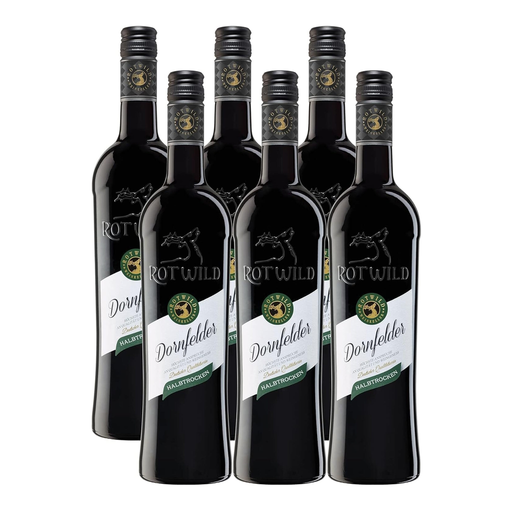
Why this product suits this profile: The six-bottle case contains six 0.75-litre bottles of medium-dry wine, ideal for sharing with friends or keeping at home.
The stated medium-dry style makes it easier to understand how the wine tastes than an origin label alone. The alcohol content and sulphites are also listed.
Six 0.75-litre bottles, 11,5 % Vol. and clearly labelled Dornfelder from Germany.
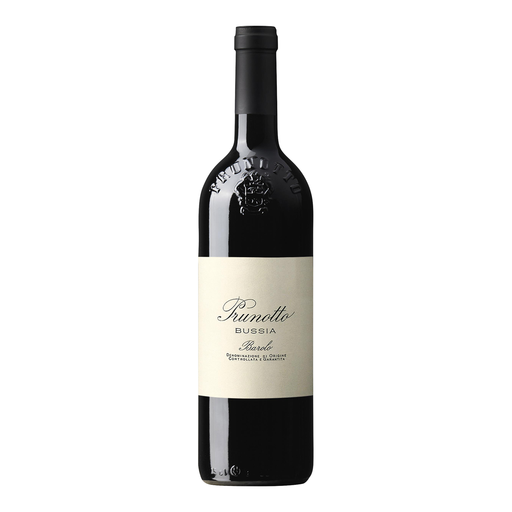
Why this product suits this profile: Its DOCG origin, Nebbiolo grapes, 18 months of barrel ageing and recommended decanting time offer useful guidance for a special occasion.
The product details specify the region, grape variety, barrel ageing, alcohol content and storage advice, rather than relying on a vague promise of quality.
14 % Vol., natural cork, 0.75 litres and a recommended serving temperature of 15 to 20 °C.
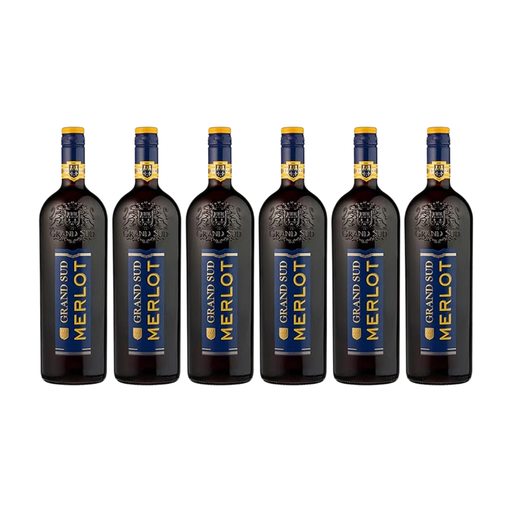
Why this product suits this profile: Six one-litre bottles are ideal for larger households, celebrations and regular meals with meat, poultry, grilled dishes or cheese.
The quantity and price per litre are easy to assess. The product description also gives the origin, grape variety, alcohol content and serving temperature.
6 litres in total, dry Merlot from southern France and 13 % Vol.
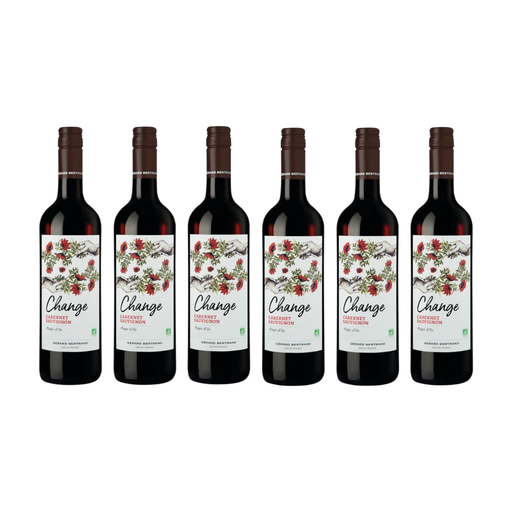
Why this product suits this profile: This case combines six 0.75-litre bottles with the stated organic control code FR-BIO-01 and 13,5 % Vol.
The organic claim is backed up by a control code, making it easier to distinguish certified labelling from general sustainability claims.
Cabernet Sauvignon, six 0.75-litre bottles, screw cap and French origin in Languedoc-Roussillon.
We’ve put together a complete, regularly updated list of products that meet these strict selection criteria and fully comply with the safety regulations in force in the EU.
Full-bodied, dry varieties are a popular choice for red wine with meat and cheese. Cabernet Sauvignon, for example, pairs well with beef and grilled dishes, while Merlot can also be served with poultry or milder cheeses. Rioja Crianza or Reserva goes well with braised meat, pasta and Mediterranean dishes. Sweet or medium-dry Dornfelder can complement strong cheeses.
Most of the red wines mentioned here are served at 16 to 18 °C. In a very warm room, the alcohol may be more noticeable. Once opened, bottles should be kept chilled and sealed, and finished within a few days, depending on the product.
A fruity Merlot or medium-dry Dornfelder can be an approachable introduction. If you prefer dry red wine, you could start with a Merlot, Tempranillo or a Primitivo described as smooth. The key is to check the stated sweetness and go with your personal preference.
Unopened red wine should be stored in a cool, dark place at as constant a temperature as possible. How long it will keep depends on the grape variety, winemaking, closure and quality classification. Once opened, wine changes when exposed to oxygen, so it’s best to finish it within a few days.
A case of 6x0.75 l or 6x1 l can be a good choice for regular drinking, celebrations or serving several guests. Before buying, compare the price per litre, storage space, alcohol content and how much you’ll actually need. For occasional occasions, a single 0.75-litre bottle is often a better fit. The sale and consumption of alcoholic drinks is intended exclusively for adults aged 18 and over.