
Lieferung heute & morgen

Qualitätsgarantie

Willkommens-Angebote freischalten: KOSTENLOSE Lieferung | Bis zu 80 % RABATT | Kostenlose 30-Tage-JoyPlus-Testphase
App herunterladen
Deciding to buy red wine online can be overwhelming given the sheer number of options. From alluring labels to opaque descriptions, it's easy to make a choice that doesn't meet your expectations. As your Joybuy Product Recommendation Officer, I'm here to help you understand the essential criteria so you can confidently find the perfect wine for your taste and occasion.
This guide focuses on avoiding common pitfalls and objectively evaluating wines to ensure your next order is a complete success.
Before we dive into the details, it's helpful to know the most common mistakes. Avoiding them will save you not only money but also disappointment.
To make an informed decision, you should focus on three core parameters. These will help you objectively assess a wine's quality and character.
The grape variety is the primary determinant of a wine's aroma and flavour profile. Instead of relying solely on the country of origin, it pays to look at the grape.
The designation of origin provides information about the geographical source and compliance with specific production regulations. An Italian red wine with the DOCG (Denominazione di Origine Controllata e Garantita) label or a Spanish red wine with DOCa (Denominación de Origen Calificada) is subject to the strictest controls regarding grape varieties, yield, and ageing. These seals offer a reliable guide.
The term "dry" refers to the residual sugar content in the wine. A dry red wine is fully or almost fully fermented and contains very little unfermented sugar (typically under 9 g/l in the EU, depending on acidity levels). This results in a taste where fruit, acidity, and tannins are at the forefront, not sweetness. Most high-quality red wines intended for food pairing fall into this category.
Based on the criteria above, we have selected a few wines suitable for different profiles and occasions.
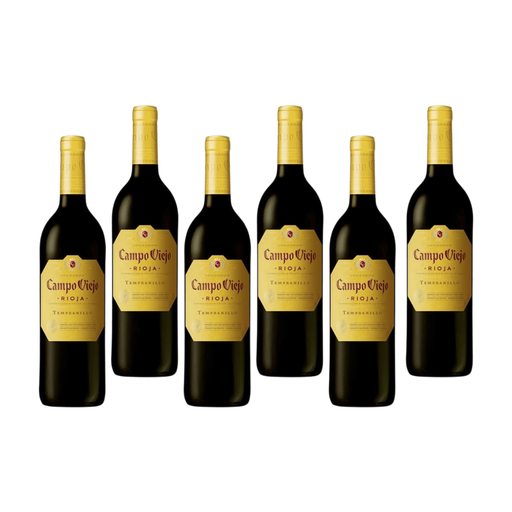
Why This Fits Their Persona: Ideal for anyone looking for a reliable and versatile red wine for daily enjoyment or social gatherings. The case offer provides excellent value for money for a genuine quality wine.
This wine bypasses the trap of misleading labels with its clear Rioja DOCa classification. It guarantees origin and quality, so you know exactly what you're getting: an authentic Spanish red wine.
A balanced profile with aromas of red fruits and a hint of vanilla. Smooth on the palate and an excellent companion for tapas, pasta, and grilled meat.
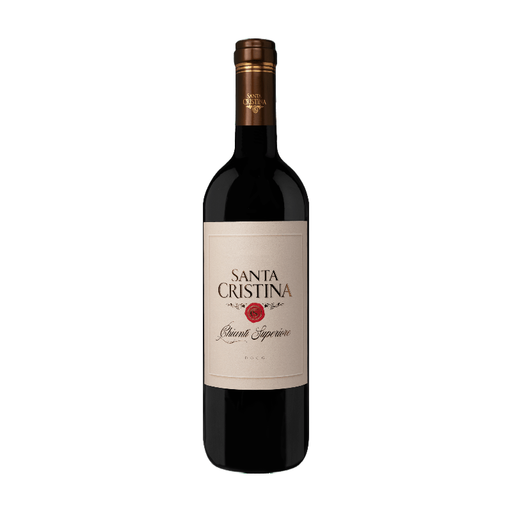
Why This Fits Their Persona: Perfect for those who appreciate the authentic taste of Tuscany. This Chianti is the ideal partner for classic Italian dishes like pasta with tomato sauce, pizza, or osso buco.
The Chianti Superiore DOCG designation is the highest quality level for Italian wine. It ensures that the wine not only comes from Tuscany but also follows strict production rules, setting it apart from simple table wines.
Aromas of red fruits and vanilla, paired with soft, velvety tannins. A full-bodied flavour that captures the essence of Tuscany.
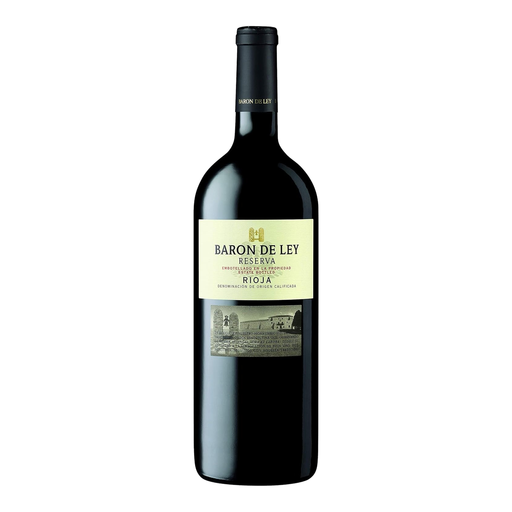
Why This Fits Their Persona: For connoisseurs seeking a complex and mature wine for a festive meal or as a gift. A Reserva offers a depth and elegance that go beyond a standard wine.
This wine avoids the trap of overpaying for a name without substance. The Reserva classification is legally protected and mandates a long ageing period (20 months in oak barrels, 24 months in the bottle), which ensures verifiable complexity.
Robust fruit aromas combined with spicy Mediterranean notes and elegant tones from ageing. A harmonious wine with great cellaring potential.
We've compiled a complete, up-to-date list of products that fully meet these strict selection criteria and quality standards.
The ideal storage for red wine is in a cool, dark place with a constant temperature, preferably between 12 and 18°C (54-64°F). Wines with natural corks should be stored on their side to keep the cork moist and prevent it from drying out. Avoid temperature fluctuations and direct sunlight.
Both are quality levels for Rioja wine that differ in their ageing time.
Yes, this is possible with little risk if you stick to objective criteria. Look for wines from established regions (e.g., Rioja, Chianti Classico), well-known grape varieties (Merlot, Cabernet Sauvignon), and official quality classifications (DOCa, DOCG). Product descriptions that provide detail on aroma, taste, and recommended food pairings are also a great help in making a decision.