
Lieferung heute & morgen

Qualitätsgarantie

Willkommens-Angebote freischalten: KOSTENLOSE Lieferung | Bis zu 80 % RABATT | Kostenlose 30-Tage-JoyPlus-Testphase
App herunterladen
The search for the perfect red wine can quickly feel like a daunting task. The shelf is filled with hundreds of bottles, their labels boasting terms like "Riserva," "Classico," or complex grape variety names. If you want to buy red wine online, you're faced with an even larger selection. But often, well-intentioned marketing promises lead to disappointment in the glass.
As your Joybuy Product Recommendation Officer, I'll help you avoid the typical pitfalls and make an informed decision. We'll focus on what really counts, so you can find a wine that suits your taste and the occasion.
Before we get to the recommendations, it's important to know the most common mistakes that often lead to an unsuitable purchase.
To avoid these traps, focus on three objective criteria. These will help you better assess the wine's characteristics.
The taste description on the label indicates the residual sugar content, which is the sugar that remains in the wine after fermentation.
A full-bodied red wine is not necessarily sweet. The term describes the density and intensity of the aromas and mouthfeel, often influenced by alcohol content and extract.
The grape variety and its region of origin significantly shape the wine. Here are some popular examples:
For many buyers, sustainability and conscious consumption are becoming more important. Seals can offer reliable guidance here:
Here are some recommendations tailored to different needs and flavour profiles.
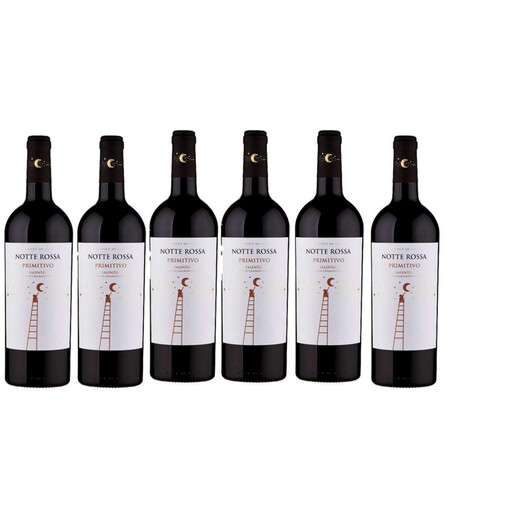
Why This Fits Their Persona: Ideal for anyone looking for an uncomplicated, fruit-forward, and accessible Italian red wine without breaking the bank. The red wine case offers excellent value for money for everyday enjoyment or social gatherings.
Instead of relying on confusing predicates, this wine delivers clear, varietally-correct quality. You get exactly what a good Primitivo promises: plenty of fruit and a smooth character, avoiding the 'dry' surprise because the fruitiness is expected.
Consistent quality and true-to-type flavour; Convenient 6-pack as a great red wine deal.
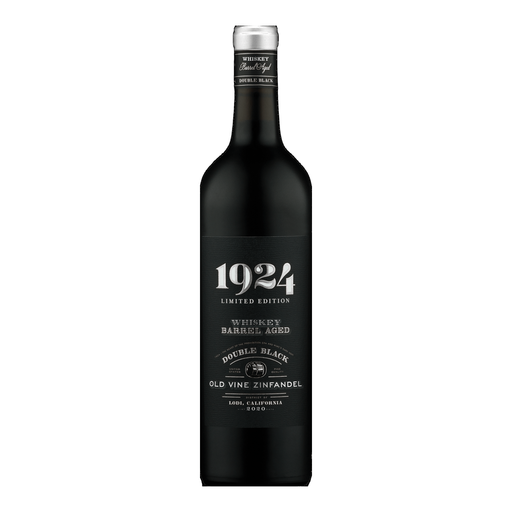
Why This Fits Their Persona: This wine is aimed at connoisseurs who appreciate an intense, powerful, and full-bodied red wine with complex aromas from barrel ageing. Ideal for a cosy evening or to accompany grilled meats.
This wine doesn't justify its character with a famous name, but with a clear production method: ageing in bourbon barrels. This gives it its distinctive spicy and smoky notes and bypasses the price-quality trap.
Intense flavour profile from ageing in bourbon barrels; The high alcohol content of 15.0% ABV ensures a powerful body.
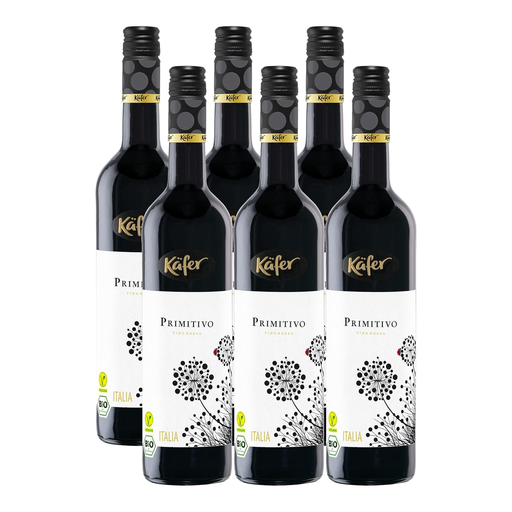
Why This Fits Their Persona: Perfect for consumers who value sustainable production and prefer a certified organic red wine and vegan red wine without sacrificing the popular Primitivo taste.
There are no ambiguities here. The 'Organic' and 'Vegan' seals are clearly declared and guarantee compliance with the respective production standards—a reliable choice beyond marketing buzzwords.
Certified organic and vegan; Classic, dry Primitivo taste in a convenient case deal.
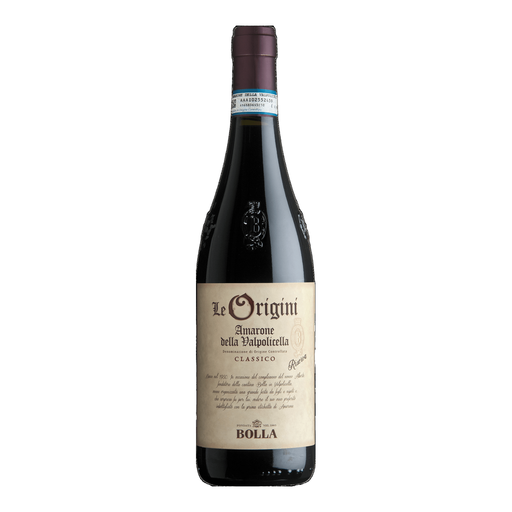
Why This Fits Their Persona: An excellent choice for experienced wine drinkers looking for a complex, structured, and age-worthy wine for a special moment. Amarone is a monument of Italian winemaking.
The designation 'Amarone della Valpolicella Classico Riserva DOCG' is no empty promise here. It represents Italy's highest quality level (DOCG), a specific origin (Classico), a special production method (Appassimento), and long ageing (Riserva).
Produced using the elaborate Appassimento method for maximum concentration; High ageing potential and a complex array of aromas.
In the EU, a red wine is considered dry if its residual sugar content does not exceed 9 grams per litre. However, it's important to note that the perception of taste is influenced by fruit intensity and acidity. A Primitivo can therefore seem sweeter due to its ripe fruit aromas, despite its low sugar content, than a more acidic Cabernet Sauvignon, for example.
A red wine case is often an economically sensible choice. The advantages are a lower price per bottle, a convenient stock of your favourite wine, and lower shipping costs. It's ideal if you've found a wine you enjoy or are planning a large gathering. For explorers who want to try many different wines, single bottles are more flexible.
Genetically, Primitivo and Zinfandel are identical. The main difference lies in their origin and the associated wine style. Primitivo mainly comes from Apulia in Southern Italy and is often softer and fruitier. Zinfandel is the American name, primarily grown in California, and can vary from fruity-sweet to very powerful and spicy, depending on the winemaking style. If you like this type of Italian red wine, it's worth trying a Zinfandel as well.