
Lieferung heute & morgen

Qualitätsgarantie

Willkommens-Angebote freischalten: KOSTENLOSE Lieferung | Bis zu 80 % RABATT | Kostenlose 30-Tage-JoyPlus-Testphase
App herunterladen
If you want to buy red wine online, you can easily compare origin, grape variety, ageing method and price. At the same time, the vast choice can make the decision harder: terms like “Reserve”, “Premium” or “selected vineyards” alone tell you very little about the actual taste. What really matters are the clear, verifiable details on the product page and the label.
A Spanish red wine, Italian red wine or French red wine does not automatically have a specific flavour profile. Climate, grape variety, ageing method and vintage all influence the wine just as much. A Rioja red wine made from Tempranillo, for example, can develop spicy notes through oak ageing, while another Tempranillo may be more fruit-forward.
The term dry red wine primarily describes the residual sugar content, not automatically a full-bodied or low-acid taste. Tannin, acidity, alcohol level and barrel ageing also shape the mouthfeel. So if you are looking for a smooth wine, you should pay attention not only to “dry” but also to the grape variety and description.
A 6-bottle red wine pack can be economical for regular enjoyment or a party. For a single dinner or as a gift, a 0.75-litre bottle is often more appropriate. You should also check whether the wine should be consumed within a few days of opening and what storage advice is given.
Protected designations of origin such as DOCG, DOCa, IGP or QbA provide information about origin and legal classification. However, they do not replace a flavour description. A Chianti Riserva comes from Italy and indicates a specific quality and ageing category. A Rioja DOCa refers to the Spanish wine region and its protected status.
For French wines, regional details such as Bordeaux or Saint-Émilion often take centre stage. If you are specifically looking for wines from this region, you can also browse the Bordeaux range.
The grape variety is a practical guide:
Also look out for details such as Barrique, oak cask or stainless steel tank. These describe the ageing method and can give clues about woody notes, freshness and structure.
The alcohol content is usually given as a percentage by volume. In the selection presented here, the figures range from 13.0% vol. to 15.5% vol., for example. This can be relevant when planning a menu or a tasting.
Red wine often contains sulphites. These must be declared as a mandatory ingredient or allergen. If you need to consider ingredients or allergens, be sure to read the product details fully before purchasing. For adults aged 18 and over: please consume alcohol responsibly and in moderation. Alcoholic drinks should be avoided during pregnancy.
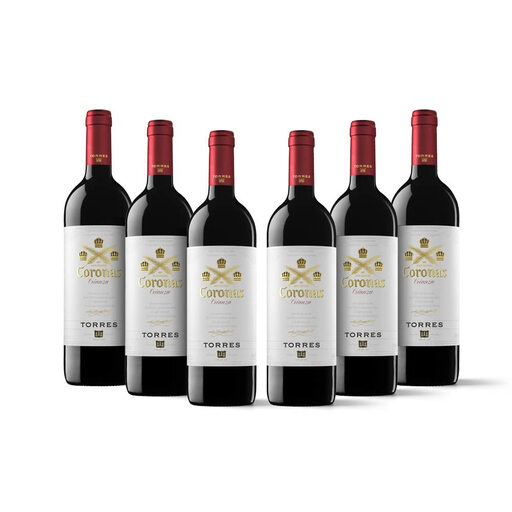
Why this product fits the profile: Six bottles of 0.75 litres each are ideal for regular enjoyment, a shared evening or as a basic stock for several meals.
The product details clearly state the origin, grape varieties, dry taste, alcohol content, serving temperature and pack size.
Tempranillo and Cabernet Sauvignon from Catalunya; six 0.75-litre bottles; 13.5% vol.
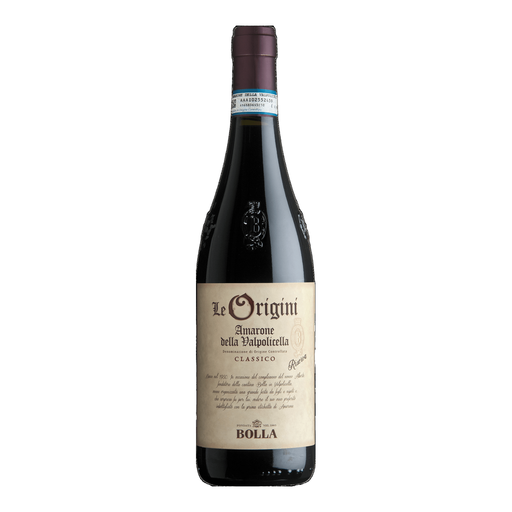
Why this product fits the profile: A single 0.75-litre bottle with DOCG designation, natural cork and stated barrique ageing is perfect for a planned menu or a special occasion.
The product page lists the origin, quality designation, ageing method, alcohol content and declared sulphites instead of vague marketing claims.
Amarone della Valpolicella Classico Riserva DOCG; 15.5% vol.; 0.75 litres; natural cork.
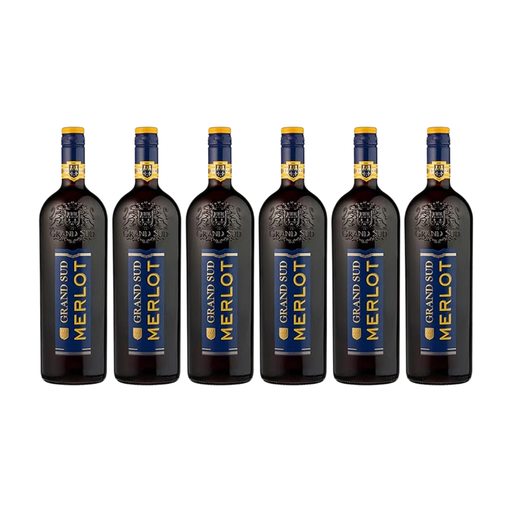
Why this product fits the profile: The six-bottle pack with six 1-litre bottles is designed for larger groups, regular meals and multiple uses.
The volume, grape variety, origin, serving temperature and recommended food pairings are all clearly stated.
Merlot from the Pays d’Oc; six 1-litre bottles; 13% vol.; described as dry.
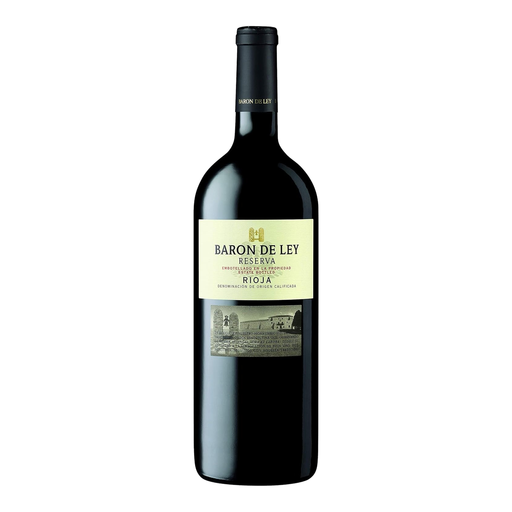
Why this product fits the profile: The single Rioja bottle with cork closure and details about barrel and bottle ageing can be chosen for a private occasion or as a gift.
The selection can be made based on DOCa origin, grape varieties, 0.75-litre format and stated ageing time.
Rioja DOCa; Tempranillo with Graciano and Maturana; 14% vol.; 20 months barrel ageing according to product details.
For a German red wine, Spätburgunder from the Pfalz region could be a good option. When it comes to Portuguese red wine, Dão can be an interesting origin. If you prefer Italian red wine, you will find Chianti Riserva as well as Amarone della Valpolicella or Merlot from the Veneto. French Cuvées from Bordeaux often combine Cabernet Franc and Merlot.
Before you buy, a quick checklist is worthwhile:
We have put together a complete, regularly updated list of products that fully meet these strict selection criteria and the safety regulations in force in the EU.
Unopened bottles should be kept cool, dry and away from light. Strong temperature fluctuations are not ideal. After opening, follow the manufacturer's instructions; several product details recommend consumption within a few days.
The recommendation depends on the product. In the details of the selection, 16 to 18 °C is often mentioned. Serving the wine too warm can make the alcohol more pronounced, while serving it too cold can make it seem less aromatic.
That depends on the individual bottle price, delivery costs and total volume. Compare the price per litre and consider whether you actually need six bottles. For regular meals or a party, a multi-pack can be practical; for a gift, a single, carefully chosen bottle is often more suitable.