
Lieferung heute & morgen

Qualitätsgarantie

Willkommens-Angebote freischalten: KOSTENLOSE Lieferung | Bis zu 80 % RABATT | Kostenlose 30-Tage-JoyPlus-Testphase
App herunterladen
The decision to buy red wine online can be overwhelming given the vast selection. Countless labels, grape varieties, and appellations make it difficult to find the right wine for your personal taste and occasion. As your Joybuy Product Recommendation Officer, I'm here to help you navigate the common pitfalls and make an informed choice.
Many buyers are swayed by appealing labels or vague marketing promises, which often leads to disappointment. Another frequent mistake is assuming that a high price automatically means high quality. Often, you're paying for a brand name, not necessarily for a wine that suits your preferences. Finally, a vague understanding of basic terms like "dry" or "tannins" can result in a wine that doesn't meet your expectations. This guide focuses on the objective criteria that truly matter.
To make a good decision, you should focus on three core aspects. These will help you evaluate a wine's quality and character, independent of advertising messages.
The grape variety is the foundation of a wine's character. Each variety brings its own typical aromas and structures. A basic understanding will help you narrow down your selection effectively.
The designation of origin on a label is an important indicator of quality and style. Protected designations like DOCG in Italy or Grand Cru in France are not marketing gimmicks but are subject to strict legal regulations regarding cultivation area, grape varieties, and production methods.
The taste description provides information about the wine's residual sugar content.
Here are some recommendations tailored to different needs and flavour profiles.
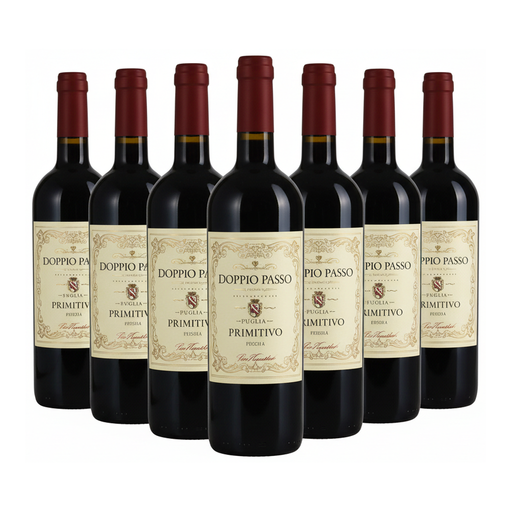
Why This Fits Their Persona: Ideal for anyone looking for an uncomplicated, crowd-pleasing wine for everyday enjoyment or social gatherings. The 6-pack of red wine offers excellent value for money, making it perfect for stocking up your cellar.
Instead of vague promises, this wine delivers clear facts: The Primitivo grape variety and the 'semi-dry' style set a clear expectation. The focus is on an approachable flavour, not an overblown image.
Soft, round, and full-bodied character with intense aromas of blackberry and cherry. Very harmonious and versatile.
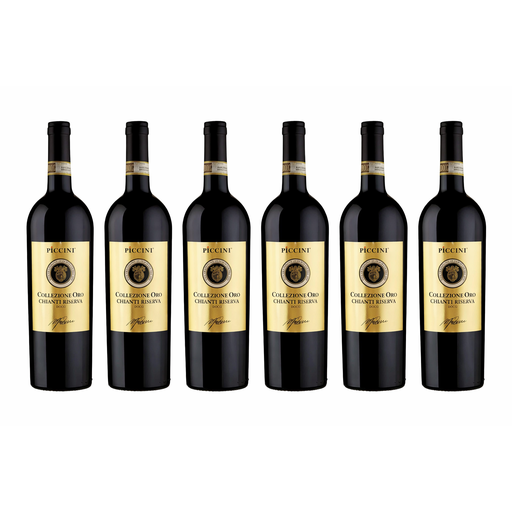
Why This Fits Their Persona: For wine drinkers who appreciate the structure and complexity of a classic Italian red wine. An ideal companion for robust dishes like grilled meat or pasta with a savoury sauce.
The DOCG classification is Italy's highest quality seal and is state-guaranteed. The 'Riserva' designation indicates a longer, legally mandated ageing period. Here, you're buying verifiable quality, not an empty promise.
A dry, full-bodied red wine with a complex flavour profile. Ageing in oak barrels gives it structure and depth.
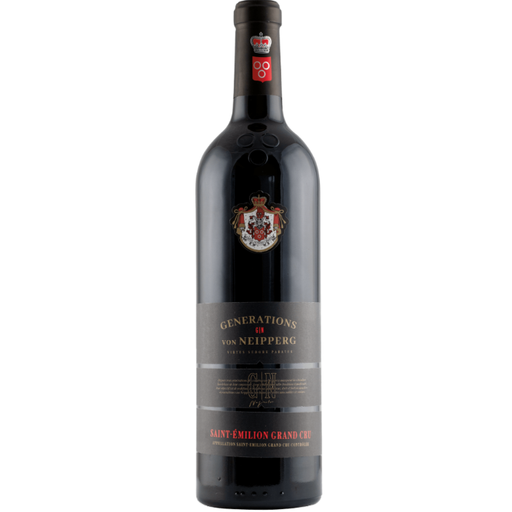
Why This Fits Their Persona: For the discerning wine drinker seeking a high-quality French red wine with a distinct sense of origin. A wine for special occasions or for adding to a collection.
The 'Saint-?milion Grand Cru' classification is a legally defined quality level in Bordeaux. You are relying on an established system, not marketing. The description clearly states the blend of Cabernet Franc and Merlot.
Complex, velvety, and rich with aromas of violet and dark berries. Long, intense finish. The wine is also produced organically.
We have compiled a complete, up-to-date list of products that fully meet these strict selection criteria and all relevant regulations.
Correct storage is crucial for maintaining quality. Store your wines in a cool, dark place with a temperature as constant as possible, between 12 and 18°C (54-64°F). Bottles with natural corks should be stored on their side to keep the cork moist and prevent it from drying out. Wines with screw caps can also be stored upright.
A dry red wine is not sour, but low in sugar. According to EU law, a wine can be labelled "dry" if its residual sugar content does not exceed a certain level (in Germany, usually under 9 grams per litre). The taste is therefore determined by the wine's fruit aromas, acidity, and tannins, not by sweetness.
The ideal serving temperature depends on the body of the wine. Lighter red wines like a Sp?tburgunder unfold their aromas best at a cooler 14–16°C (57-61°F). Powerful, tannin-rich wines like a Cabernet Sauvignon or a Barolo should be served slightly warmer at 16–18°C (61-64°F) to allow their complex structure to fully develop. Storing it too warm makes the alcohol taste dominant, while serving it too cold suppresses the aromas.