
Lieferung heute & morgen

Qualitätsgarantie

Willkommens-Angebote freischalten: KOSTENLOSE Lieferung | Bis zu 80 % RABATT | Kostenlose 30-Tage-JoyPlus-Testphase
App herunterladen
If you want to buy red wine online, you’ll quickly find a wide selection from Spain, France, Italy, Germany and other wine-growing regions. The challenge is less about the range on offer and more about knowing what to look for: grape variety, origin, winemaking, bottle size and packaging all influence the taste, occasion and price.
This guide is for adults aged 18 and over looking for a dry red wine to enjoy with a meal, for a quiet evening at home, as a gift or to keep in stock. Alcohol should be consumed responsibly. Pregnant people, anyone under 18 and anyone who cannot or does not wish to drink alcohol should avoid alcoholic products.
A Spanish red isn’t automatically full-bodied, just as a French red isn’t necessarily light. Wines from the same region can differ according to grape variety, winemaking, harvest conditions and style. A Rioja red wine, for example, might be fruit-forward or have a pronounced influence from oak.
Tempranillo, Primitivo, Cabernet Sauvignon, Merlot and Dornfelder give you a useful starting point, but they don’t replace a full product description. Check terms such as ‘dry’, ‘full-bodied’ or ‘fruity’ against the alcohol content, serving temperature and flavour profile.
A six-pack of red wine can be a good choice for regular meals or larger gatherings. If you only drink occasionally, a single 0.75-litre bottle is often more practical. You should also check the storage recommendations, closure type and best-before or product date on the relevant product page.
‘Dry’ describes a wine’s residual sugar content, not how full-bodied it tastes. A dry wine can have fruity notes of cherry, berries or plum and still taste little or not at all sweet. If you’re looking for a red wine to go with a meal, you should also consider its acidity and tannin structure:
A Spanish red wine made from Tempranillo is often described as having red and dark fruit flavours, with spicy or vanilla notes. Italian red wine made from Primitivo can taste full-bodied and fruit-forward, while Cabernet Sauvignon from Trentino or France often has spicy notes and more pronounced tannins.
When choosing a French red wine, consider the region. Bordeaux blends often combine several grape varieties, while wines from the Pays d’Oc are often named after their dominant grape variety. A German red wine, such as Dornfelder or Pinot Noir, can taste fruity, spicy or more elegant, depending on how it is made.
The standard 0.75-litre bottle is enough for several glasses. Litre bottles hold more and can be a cost-effective choice for regular meals. Screw caps are practical for everyday drinking, while natural cork is often used for wines intended to age or made in a traditional style.
For organic products, look for a verifiable organic control code on the product label. ‘Organic’ describes the certified production method, not whether you’ll personally enjoy the taste. Allergens such as sulphur dioxide and sulphites should also be considered when buying wine and must be listed in the product information.
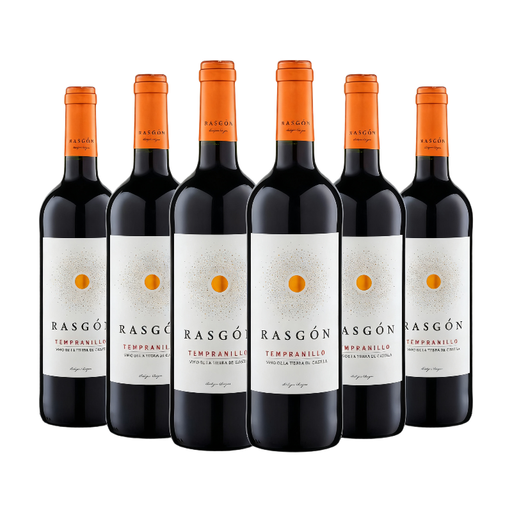
Why this product suits this shopper: This dry Spanish red wine comes in a six-pack of 0.75-litre bottles, making it a good choice for regular meals or when you’re hosting several guests.
The grape variety, origin, pack size and dry style are clearly stated. This makes it easier to choose a pack that suits how much you plan to drink.
Tempranillo from Castilla, Spain; six bottles of 750 millilitres each; dry style.
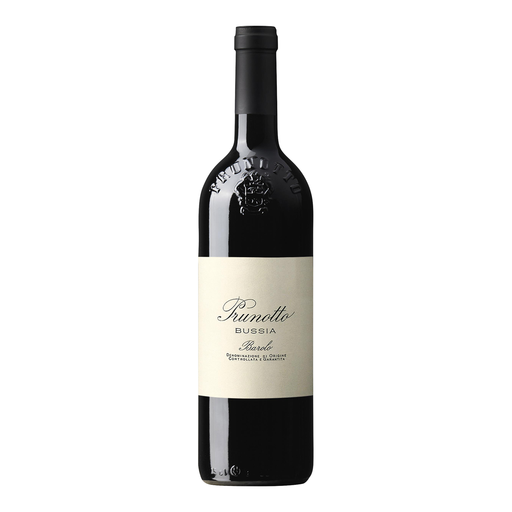
Why this product suits this shopper: This Italian red wine from Piedmont is aimed at shoppers who place greater importance on its appellation, grape variety and winemaking.
Its DOCG origin, Nebbiolo grape variety, 18 months of barrel ageing and natural cork closure are all clearly specified.
Nebbiolo from Piedmont; 14% ABV; recommended decanting time and stated ageing potential.
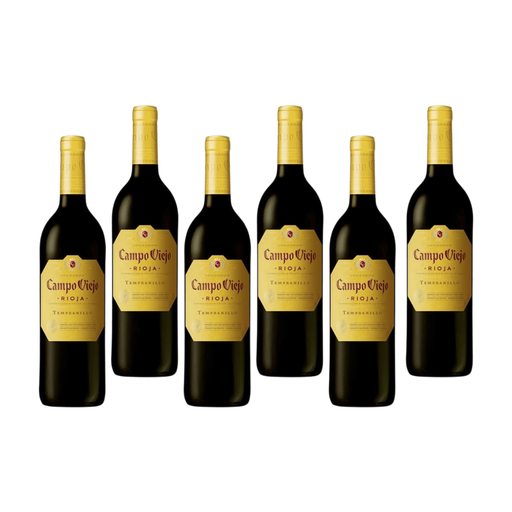
Why this product suits this shopper: This six-pack of Rioja red is well suited to households that regularly serve Spanish red wine with hearty dishes.
The product description specifies Rioja, Tempranillo, one year of cellar ageing and a recommended serving temperature of 16 to 18 °C.
Six 0.75-litre bottles; flavours of red fruit, vanilla, cocoa and spice; a good match for hearty dishes.
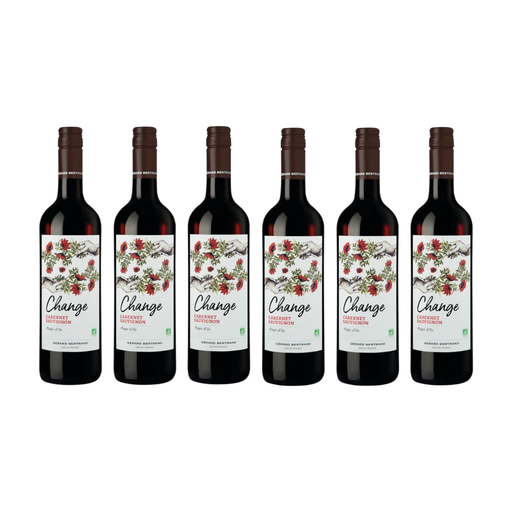
Why this product suits this shopper: Its organic labelling and stated French origin make it easier to choose a wine based on how it was produced.
The product details list the organic control body, Cabernet Sauvignon grape variety, 13.5% ABV and the presence of sulphites.
Six 0.75-litre bottles; screw cap; organic control code FR-BIO-01; 13.5% ABV.
We’ve put together a complete, regularly updated list of products that meet these strict selection criteria and the safety regulations in force across the EU.
Unopened bottles should be stored somewhere cool and dry, away from direct sunlight. Wines sealed with natural cork should be stored on their side, unless the product information says otherwise. Once opened, most bottles should be finished within two to three days, as exposure to oxygen changes the wine’s flavour.
For many dry red wines, the ideal serving temperature is between 16 and 18 °C. Wine served too warm can taste more alcoholic, while wine served too cold will have less aroma and flavour. A full-bodied Barolo or structured Bordeaux red may benefit from decanting. Whether it’s necessary depends on the wine, its age and your personal preference.
Structured dry reds with more tannin, such as Cabernet Sauvignon, Barolo or full-bodied Bordeaux blends, are often a good match for beef, lamb and game. Merlot, Dornfelder or fruit-forward Tempranillo wines can work well with poultry, pasta or mild cheese.
For the best flavour, many opened red wines should be enjoyed within two to three days. Reseal the bottle and store it somewhere cool. How long it keeps depends on the wine, how much is left in the bottle, the temperature and its exposure to oxygen.
A six-pack can be good value if you regularly drink a particular grape variety or style. Before you buy, check that you have enough storage space and consider how much you’ll drink, the bottle size and the best-before or product date.