
Lieferung heute & morgen

Qualitätsgarantie

Willkommens-Angebote freischalten: KOSTENLOSE Lieferung | Bis zu 80 % RABATT | Kostenlose 30-Tage-JoyPlus-Testphase
App herunterladen
If you want to buy red wine online, you’ll quickly find a wide selection from Italy, France, Spain and Germany. However, product pages can differ considerably in the grape variety, sweetness, bottle size and packaging. An appealing description alone tells you little about whether a wine will suit your taste or the occasion you have in mind.
Terms such as ‘fruity’, ‘smooth’ or ‘full-bodied’ don’t necessarily mean a wine is sweet. A dry red wine can taste of cherries, plums or berries and still contain very little residual sugar. So if you’re looking for a medium-dry red wine or a sweet red wine, check the official sweetness classification.
Primitivo, Pinot Noir, Merlot, Dornfelder, Cabernet Sauvignon and Tempranillo are grape varieties or varietal names. Chianti, Barolo and Rioja, by contrast, are protected designations of origin, each with its own regional requirements. An Italian red wine isn’t automatically a Primitivo, and a Spanish red wine doesn’t have to be a Rioja.
When buying red wine in a case of six, check the volume of each bottle. The standard size is 0,75 litres, but some offers include 1-litre bottles. You should also check whether all the bottles contain the same wine or whether it’s a mixed case. Individual 0,75-litre bottles can be more practical for gifts and tastings.
The descriptions ‘dry’, ‘medium-dry’ or ‘sweet’ are key when choosing a wine. Dry wines often pair well with rich dishes such as grilled meat, pasta with dark sauces or mature cheese. Sweeter styles can be served with desserts or mild cheese. Many red wines have an alcohol content of around 12 to 14,5 % vol., though this can vary by product and bottling.
The grape variety influences a wine’s style, but it’s no substitute for tasting it. Primitivo is often associated with ripe fruit and spicy notes, while Pinot Noir tends to offer red fruit flavours and a lighter structure. Merlot can be soft and fruit-forward, while Cabernet Sauvignon often has firmer tannins. Dornfelder is a German grape variety, while Tempranillo is the defining grape in many Spanish wines.
Ageing also matters: time in barriques or other oak barrels can add notes such as vanilla, spice or cocoa. Details of the wine’s origin, such as Apulia, Bordeaux, Rioja, Tuscany or the Palatinate, help you understand what’s on offer.
Before buying, check that each bottle holds 0,75 litres, as well as the number of bottles and the type of closure. Screw caps are common on many wines and make it easier to store a bottle after opening. Cork closures may be worth considering for gifts or traditional wine styles.
Store unopened wine in a cool, dark place, away from significant temperature fluctuations. The label must include details such as allergens, including sulphites. For organic red wine, look for the EU organic logo and a control body code such as ‘DE-ÖKO’ or ‘FR-BIO’. The word ‘organic’ on its own isn’t a verifiable certification.
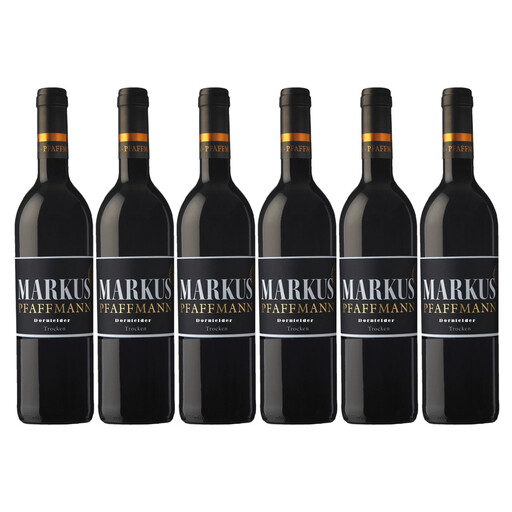
Why it suits this profile: This dry German Dornfelder comes in a case of six, making it a good choice for regular meals with pasta, grilled dishes or hard cheese.
The stated sweetness and number of bottles make it easier to choose and compare prices.
The listing clearly states that this is a case of 6 bottles of 0,75 litres each, from the Palatinate, with 13 % vol. and a screw cap.
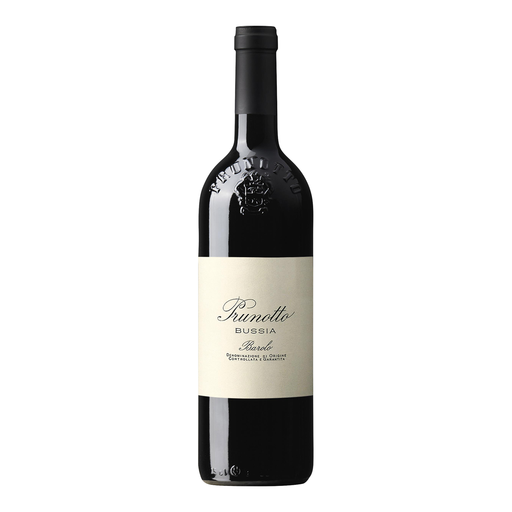
Why it suits this profile: This Barolo from Piedmont is for buyers who value a protected origin, the Nebbiolo grape and extended ageing in oak barrels.
The origin in Piedmont, DOCG designation and 18 months of barrel ageing give you specific details to check, rather than vague marketing claims.
The listing specifies a 0,75-litre bottle, 14 % vol., a natural cork and a recommended decanting time.
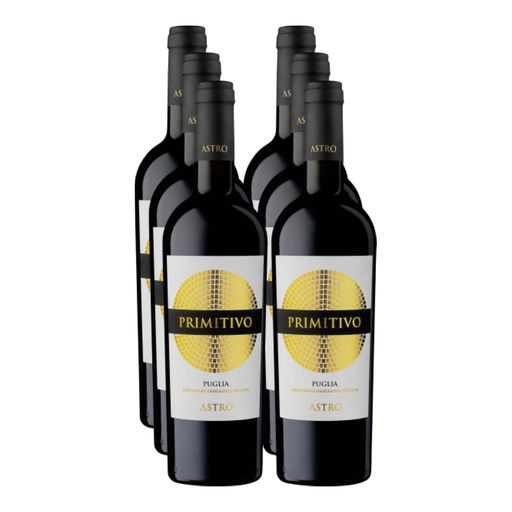
Why it suits this profile: This dry Italian red wine from Apulia comes in a case of six, ideal for sociable meals with meat, pasta and cheese.
The grape variety, region, dry style, number of bottles and recommended serving temperature are all clearly stated.
The listing specifies 6 × 0,75 litres, Primitivo from Apulia and food pairings for Mediterranean cuisine.
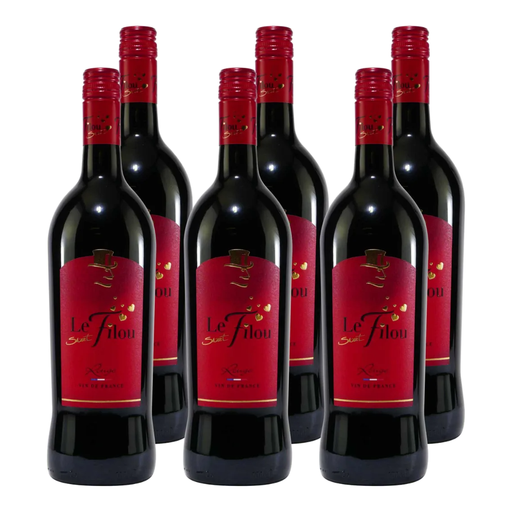
Why it suits this profile: This sweet French red wine is a good match for desserts or mild cheese, and for wine drinkers who prefer something other than a dry style.
The product name clearly identifies it as sweet, and details of the sugar content and ingredients are also available.
The listing specifies 6 × 0,75 litres, 12 % vol., French origin and a pairing suggestion for desserts.
We’ve put together a complete, regularly updated list of products that meet these strict selection criteria and fully comply with the safety regulations in force across the EU.
It depends on the type of wine, how much is left in the bottle and how it’s stored. Many red wines will keep for a few days after opening if the bottle is resealed and stored somewhere cool and dark. Always follow the producer’s specific advice.
Many red wines are served at around 16 to 18 °C. A very warm room can make the alcohol more noticeable. Lighter red wines, such as Pinot Noir, can be served slightly cooler. Follow the guidance on the product page or label.
A case of six is best suited to households, regular wine gatherings or larger meals. An individual bottle or a wine from a distinctive region, such as Barolo, Chianti or Saint-Émilion, is often easier to give as a present. Whatever the occasion, remember that in Germany alcohol may only be sold to people aged 18 or over and should be consumed responsibly.