
Lieferung heute & morgen

Qualitätsgarantie

Willkommens-Angebote freischalten: KOSTENLOSE Lieferung | Bis zu 80 % RABATT | Kostenlose 30-Tage-JoyPlus-Testphase
App herunterladen
If you want to buy red wine online, you’ll find a huge selection from Italy, Spain, France and Austria. However, product pages vary considerably when it comes to flavour profile, alcohol content, bottle size and packaging. An attractive name alone doesn’t tell you whether a wine will suit your occasion.
An Italian red wine can be fruity and off-dry like a Primitivo, spicy like a Cabernet Sauvignon, or structured like a Chianti Riserva. Similarly, a Spanish red wine ranges from easy-drinking, off-dry wines to full-bodied varieties. The country of origin is therefore only a starting point.
What matters more are the grape variety, ageing process, sweetness level and recommended serving temperature. Terms like “full-bodied” or “harmonious” should always be checked against the specific product details.
“Off-dry” doesn’t automatically mean sweet. When choosing wine, the declared taste is what counts. A dry red wine typically contains significantly less residual sugar than an off-dry wine, although fruity aromas like cherry or plum can still create a sweetish impression.
If you’re looking for a smooth, soft wine, an off-dry red wine could be worth considering. For savoury dishes or if you prefer a drier palate, dry varieties are often a better match.
A single bottle and a red wine in a 6-pack are very different purchasing decisions. Six bottles of 0.75 l each give you 4.5 litres of wine in total. That can be handy for dinners, parties or building up a stock, but it ties up more budget and needs enough storage space.
Before buying, you should check the quantity, net volume, alcohol content and what’s included in delivery. With multiple bottles, it’s also worth looking at storage conditions and packaging.
You can get a better idea of the flavour from several details:
A Chianti Riserva or Valpolicella Ripasso also indicates a protected origin or a specific production category. However, these terms don’t replace checking the alcohol content, vintage on the product page and flavour profile.
The alcohol content of the products featured here ranges, for example, between 11% and 14.5% ABV. A higher percentage doesn’t automatically mean a more intense flavour, but it can affect how full-bodied a wine feels on the palate.
The recommended temperature should be followed:
Red wine that’s too cold can taste closed, while wine that’s too warm can seem more alcoholic.
If you’re looking for organic red wine, look for a specific organic control body seal or a stated organic certification. The selection includes organic wines from Italy, France and Germany, for example. The term “vegan” is separate from this.
With wine, the note “contains sulphites” is standard. You should check this information before buying, especially if you have known intolerances. Nutritional values and ingredients can also vary from product to product.
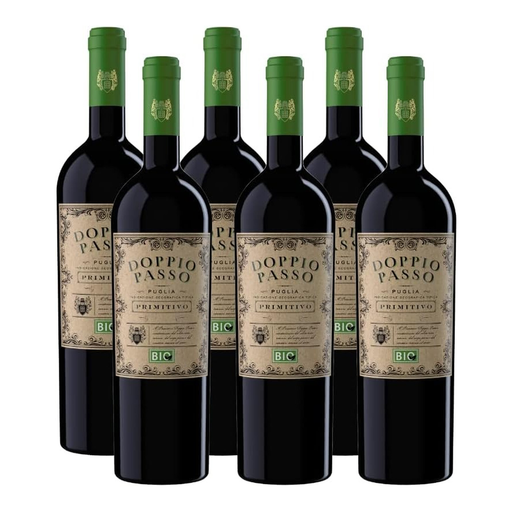
Why this product fits the profile: The 6-pack with 0.75-l bottles is ideal for home supplies and social occasions. This Italian Primitivo from Puglia is off-dry and certified as an EU organic wine.
Pack size, origin, sweetness level, 13% ABV alcohol content and allergens are all clearly stated.
Six bottles, organic certification, off-dry style and suggested pairings with pasta, dark meat and strong cheese.
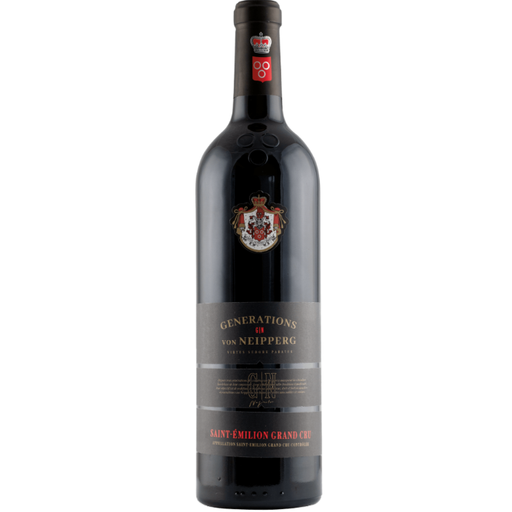
Why this product fits the profile: This French red wine from Bordeaux is dry, described as velvety and rich, and is based on a blend of Cabernet Franc and Merlot.
The product details state origin, grape varieties, style, 13% ABV and a recommended serving temperature of 18 °C.
Single bottle with a classic Bordeaux blend and stated organic status.
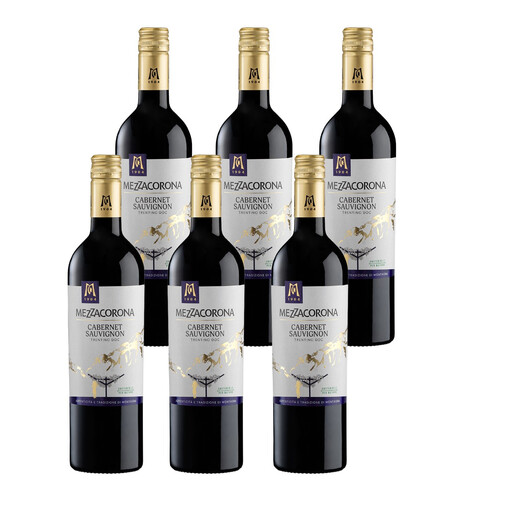
Why this product fits the profile: This dry Italian red wine comes in a 6-pack and is designed for hearty dishes such as grilled meat, roasts, game and strong cheese.
The product page lists grape variety, DOC origin, 13% ABV, number of bottles and a serving temperature of 16–18 °C.
Six 0.75-l bottles, dry style and specific food pairing suggestions for regular meals.
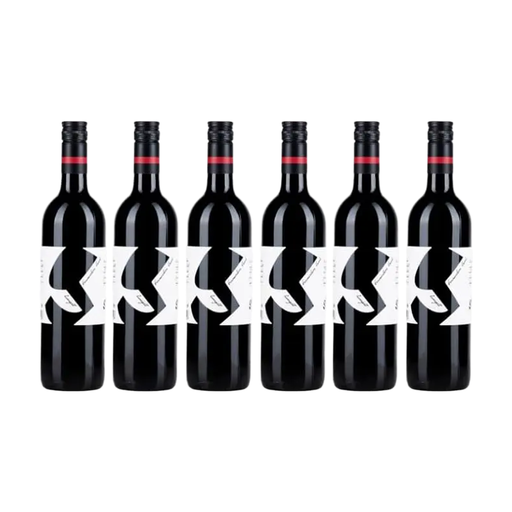
Why this product fits the profile: This Austrian cuvée from Carnuntum is based on Zweigelt and described as fruity, juicy and soft. The 6-pack is suitable for various social occasions.
Region of origin, grape variety, 13% ABV, 0.75-l bottles and the sulphite note are all clearly stated.
Austrian Zweigelt, soft tannins and specific suitability for grilled meat and pasta.
We’ve put together a complete, regularly updated list of products that fully meet these strict selection criteria and the safety regulations in force in the EU.
For red wine with food, a simple guide can help:
Delivery costs depend on the retailer, order value, delivery address and pack size. With a 6-pack, you should also check whether the displayed price is per bottle or for the whole pack. The information in your basket and on the product page is what counts.
How long it lasts after opening depends on the type of wine, how much is left and how it’s stored. The organic Primitivo product featured here, for example, recommends consuming it within 24 hours. Other wines can be consumed within three to five days according to the product information. Stored sealed and cool, the wine changes more slowly than in warmth and direct light.
For stocking up, red wine 0.75 l in a 6-pack is practical because the bottle size is standard and can be used in portions. Before buying, you should consider the flavour, serving temperature, storage space, alcohol content and the minimum age of 18. Alcohol should be consumed responsibly and is not recommended during pregnancy.