
Lieferung heute & morgen

Qualitätsgarantie

Willkommens-Angebote freischalten: KOSTENLOSE Lieferung | Bis zu 80 % RABATT | Kostenlose 30-Tage-JoyPlus-Testphase
App herunterladen
Buying red wine online may initially seem straightforward: choose a grape variety, check the bottle size and complete your order. However, product pages can differ considerably in terms of sweetness, alcohol content, origin and packaging. If you decide based solely on the brand name or price, you may end up with a wine that does not suit your personal taste or the meal you have planned.
Three common purchasing mistakes occur particularly often:
The grape variety influences the aroma, acidity and tannin structure. A Primitivo from Apulia is often described as having dark fruit aromas and a fuller character. An Sangiovese from Italy, on the other hand, often has noticeable acidity and is versatile when paired with food. With Chianti Riserva, information about ageing and the protected designation of origin is also included.
Those looking for German red wine will find varieties including Spätburgunder and Dornfelder. Spätburgunder can be lighter and more fruit-forward, while Dornfelder is often associated with a darker colour and softer fruit character. Austrian red wine made from Zweigelt is often described as fruity and approachable. Internationally, Carmenère and Pinotage from South Africa represent distinctive regional styles, for example.
The origin should therefore always be considered alongside the grape variety, flavour profile and alcohol content.
The terms dry red wine, medium-dry red wine and sweet red wine are more important when choosing than promotional descriptions such as “fruity” or “full-bodied”.
Temperature and the dish being served also matter when choosing red wine to accompany a meal. Full-bodied varieties often pair well with grilled meat, casseroles or spicy pasta. Lighter wines can be served with poultry, pizza or milder dishes. The specific recommendations on the label or product page should always take priority.
The alcohol content of the wines available is often between around 11 and 14.5 % Vol. This is an objective point of comparison and should be taken into account when planning how much to drink.
The standard size, 0.75-l red wine, is suitable for a traditional serving occasion. A multipack of 6 can be useful for households with regular demand. If storage space is limited or you only drink wine occasionally, small red wine bottles are a practical alternative.
The closure is also a product characteristic that can be checked. Screw caps make resealing easier, while natural corks are often used for traditional wine styles. Buyers should also follow the storage instructions: red wine is usually stored somewhere cool and dry, protected from direct sunlight.
Wine generally contains sulphites. These must be listed as an allergen warning. Alcoholic drinks are not suitable for children and should not be consumed during pregnancy. The statutory minimum age for purchasing and consuming alcohol applies.
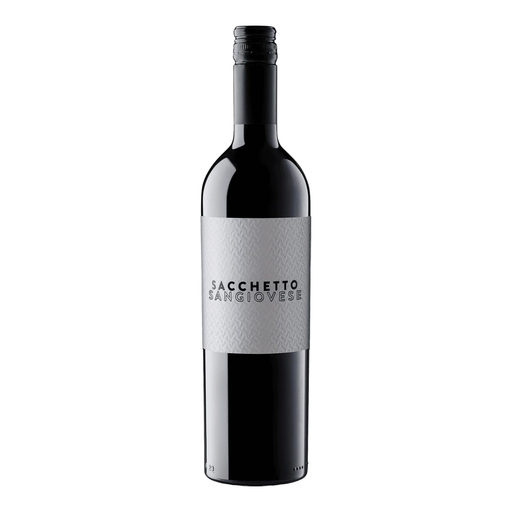
Why this product suits the profile: This Italian red wine offers 12.0 % Vol., a 0.75-l bottle and a screw cap. Its described balanced fruitiness and fresh acidity make it suitable for a range of dishes and occasions.
The product details clearly state the grape variety, alcohol content, bottle size and closure. This means you can choose based on more than general flavour claims.
12.0 % Vol.; screw cap; 0.75 l; described as a versatile Sangiovese.
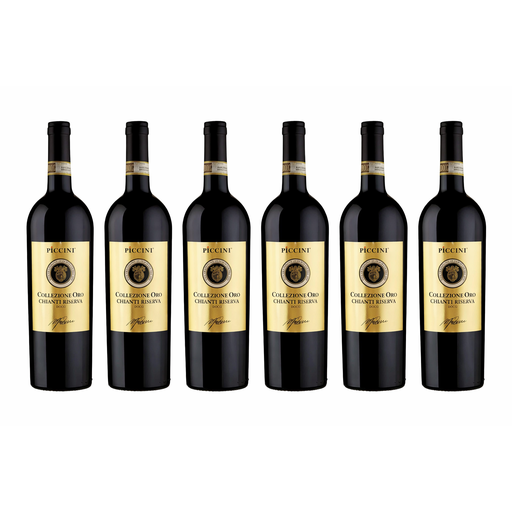
Why this product suits the profile: This Chianti Riserva is described as a dry red wine with 13.5 % Vol. Details about the Sangiovese-Cabernet blend, as well as cask and bottle ageing, make it easier to choose with confidence for strongly flavoured dishes.
The stated sweetness level prevents “fruity” descriptions from being confused with a sweet flavour profile.
13.5 % Vol.; 6 x 0.75 l; dry style; described as aged in wood and bottle.
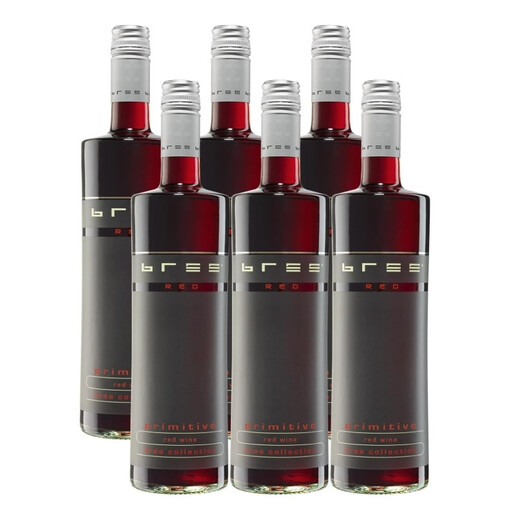
Why this product suits the profile: This Primitivo from Apulia is available in a multipack of 6, with 0.75 l per bottle, and has an alcohol content of 12.5 % Vol. The product description mentions dark berry and plum aromas, as well as a recommended serving temperature of 16–18 °C.
The pack contents, bottle volume and alcohol content are clearly stated before purchase. This makes it easier to plan costs and quantities for several occasions.
6 x 0.75 l; 12.5 % Vol.; origin: Apulia; recommended drinking temperature: 16–18 °C.
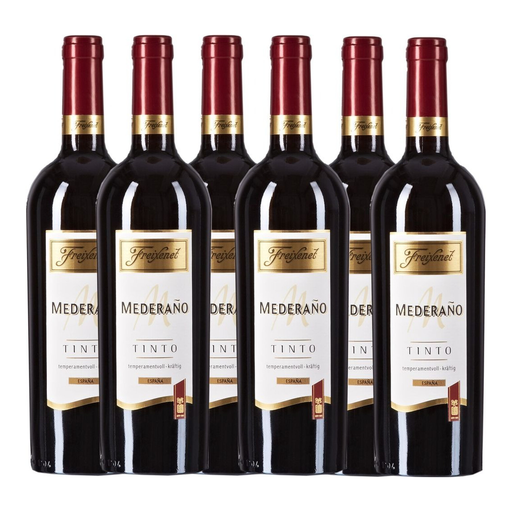
Why this product suits the profile: This Spanish red wine is listed as a medium-dry, sparkling red wine with 11 % Vol. Its recommended serving temperature of 6–8 °C sets it apart from classic red wines.
The flavour profile, wine type, alcohol content and chilling temperature are all clearly stated. This makes it clear that it is not a typical dry red wine.
Medium-dry; 11 % Vol.; 6 x 0.75 l; described as a sparkling red wine.
We have put together a complete, regularly updated list of products that fully meet these strict selection criteria and the safety regulations applicable in the EU.
For a targeted order, the following sequence can help:
The total price depends on the origin, grape variety, ageing process, brand, bottle size and pack contents. For a fair comparison, calculate the price per 0.75-l bottle. Delivery costs and any volume discounts should also be included in the calculation.
Once opened, wine changes as a result of contact with oxygen. Its shelf life depends on the style, fill level, closure and storage conditions. A well-sealed bottle should be stored somewhere cool and away from light, and consumed within a few days. The specific product information may contain additional guidance.
Many full-bodied red wines are served at around 16–18 °C. Lighter varieties can be enjoyed slightly cooler. According to the product information, a temperature of 6–8 °C is recommended for Freixenet Mederano Tinto. The information provided for each product should therefore always be followed.